
Smart Schools: $404 Billion AI Market by 2025 – Is It Worth It?
AI's education market will hit $404 billion by 2025, promising tailored lessons and instant security. But what real challenges does it bring?
Smart schools: AI’s real impact
The education market for Artificial Intelligence is projected to reach $404 billion by 2025. This growth promises schools where lessons tailor to each student and security cameras spot trouble instantly. Yet, beyond the excitement, AI brings many real-world issues and significant challenges to our schools.
A “smart school” uses many AI tools in its classrooms and on campus. These tools include custom learning programs that change content to suit each student’s speed. They also include AI-driven surveillance systems that improve campus safety. Big tech companies like Google and Microsoft are at the forefront of this movement. Specialized education technology firms such as Renaissance Learning and ClassDojo are also important companies. This widespread change, common in North America and Western Europe, seeks to make school tasks easier and increase student engagement.
The promise: automated learning and safer campuses
Many educators and policymakers back AI tools. They see their power to customize teaching and run school tasks better. AI programs such as DreamBox Learning use algorithms to change math lessons as students progress. Supporters believe this custom approach helps with individual learning styles. This has long been a goal in teaching. AI tools also handle office work, freeing teachers from routine paperwork.
In 2022, the UNESCO Institute for Information Technologies in Education reported that AI can grade automatically. This saves teachers much time on multiple-choice tests. Campus safety is another key point. AI cameras, such as Verkada’s, check video for odd events. This offers faster responses to possible dangers. However, this common use of AI means we must look closely at its less talked-about downsides.
The peril of customization: data, bias, and lost human insight
In 2023, the Electronic Frontier Foundation (EFF) reported a large increase in student data collection by education technology companies. This often occurs without clear parental permission. While customized learning offers specific education, it depends on much student information. This information includes school grades, how involved students are, and even feelings guessed by AI. Such widespread data collection causes serious privacy worries.
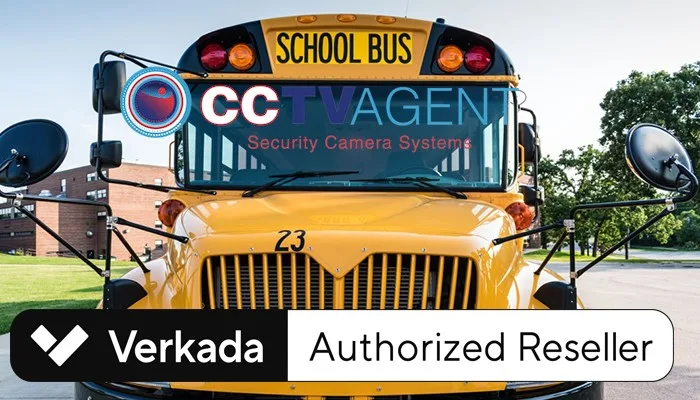
Verkada cameras are a leading example of AI-driven surveillance systems deployed in smart schools to monitor for unusual events and enhance campus safety. While promising faster responses to potential dangers, their use also contributes to increased student data collection, raising significant privacy concerns. (Source: cctvagent.com)
Bias in algorithms is another serious problem for customized learning. A 2021 study by the AI Now Institute at NYU found that algorithms, trained on unfair data, can make school unfairness worse. For instance, some AI tools have shown biases when finding learning problems. They point out too many minority students. This can result in wrong diagnoses or unhelpful support, making current education problems worse. Too much dependence on AI for customization also risks lessening a teacher’s intuition about student needs. Human teachers offer background, emotional help, and specific comments that algorithms cannot copy.
Doing things well’s price: watching, fairness, and teacher stress
By 2024, more than 80% of K-12 schools in the US used some digital tracking programs. This information comes from a Common Sense Media report. These programs include AI tools that scan student messages for words about self-harm or violence. While sold as safety tools, these systems bring in constant watching. Students often feel observed, which might stop open speaking and critical thought. The American Civil Liberties Union (ACLU) has often cautioned about how such technology can stifle student privacy rights.
Doing things well also faces money and fairness problems. Setting up and keeping up advanced AI tools costs a lot of money. This creates a large technology gap between wealthy and poorly funded school districts. Schools in lower-income areas often cannot afford these “smart” technologies, making the learning gap bigger. AI tools do not always lessen how much teachers have to do. Instead, they often change it, making teachers learn complicated systems, understand information, and fix tech problems. A 2023 survey by the National Education Association (NEA) found 60% of teachers reported more stress. This was from handling new classroom technologies, not less.
The unseen curriculum: algorithms shape minds
In 2020, the University of Cambridge Faculty of Education published research looking at the effects of AI tools on teaching. These tools are not just simple instruments; they show particular teaching beliefs and learning aims. When AI systems decide how students learn, they quietly influence how students solve problems. Too much dependence on AI for simple tasks, such as basic math or grammar checks, can cause skills to fade. Students might become less skilled at thinking for themselves or solving basic problems. This occurs when an algorithm provides instant answers.
Questions of right and wrong also apply to AI’s part in grading. Some programs use AI to grade essays or check how students join in. However, these systems can have trouble with fine details and new ideas. They might favor fitting set rules instead of original thought. Dr. Cathy O’Neil, author of “Weapons of Math Destruction,” says that decisions made by algorithms in education can build in and spread unfairness. It writes biases into the heart of learning. This could decide a student’s school future based on incomplete information and faulty code.
Reclaiming the classroom: a human path for smart tech
The evidence shows AI tools in smart schools are not good or bad by nature. Their effect relies fully on how they are made, put into use, and combined. This means fitting them into teaching that focuses on people. Just adding AI to a classroom without careful thought can cause unplanned problems. These include privacy breaches and increased unfairness. We must focus on making and using them fairly.
Going forward, schools should see AI as an aid, not a substitute for human teachers. This means spending a lot on teacher training. It gives educators the power to judge AI tools carefully and use them well. Clear rules about data privacy are key. They make sure student data is safe and used fairly. AI development in education must include many different groups — students, parents, and teachers — to stop unfair results. This method makes sure technology helps with learning aims, rather than controlling them. It builds true learning and well-being.
FAQ
What are AI tools in smart schools? These are technologies using Artificial Intelligence to make learning and office work better. Examples include custom learning programs, smart cameras for safety, and AI tutors offering specific help with schoolwork.
Do AI tools truly make learning custom? While AI can change content, true customization faces problems like bias in algorithms and data privacy worries. It also risks lessening the fine human understanding teachers offer, which is important for a student’s full growth.
Dr. Cathy O'Neil, author of the influential book "Weapons of Math Destruction," is a data scientist known for her critical examination of algorithms. She argues that AI decisions in education can embed and spread unfairness, potentially shaping a student's future based on biased code. (Source: penguinrandomhouse.com)
What are the main right and wrong issues with AI in schools? Key issues include much student data collection, the risk of unfairness from algorithms in grading, and constant watching. These problems can harm student privacy, make unfairness worse, and stifle expression.
How can schools use AI carefully? Careful use requires focusing on fair rules, clear data policies, and full teacher training. Schools should see AI as a tool to help, not replace, human teachers. This makes sure technology helps students thrive and leads to just learning results.
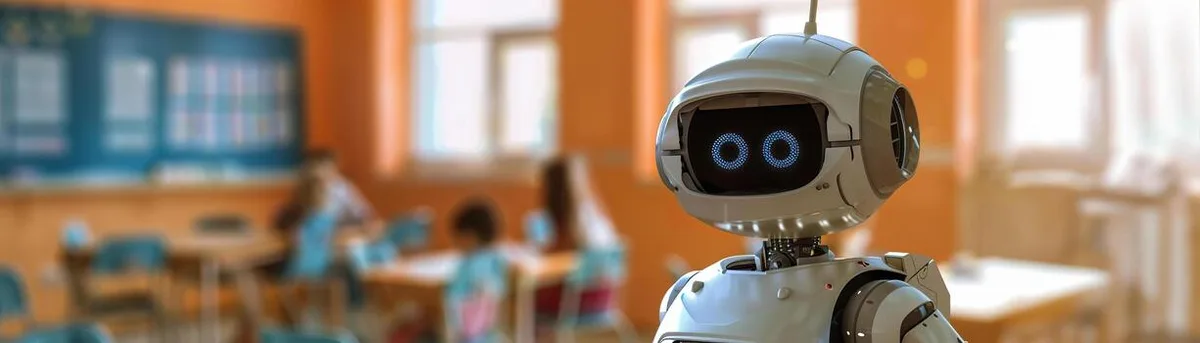
Educational robots are increasingly integrated into classrooms worldwide, serving as interactive tools to teach coding, STEM subjects, and even provide personalized learning support, embodying the concept of AI as an assistive tool rather than a replacement for human teachers. (Source: vecteezy.com)
You might also like:
👉 Youth & AI: The Global Risks in Apps & Social Media