The 3rd World War We Didn't Fight: Diplomacy's Secret
Despite constant crises, discover how speaking with former negotiators reveals diplomacy's surprising power to prevent global conflicts.
Diplomacy’s hidden power: How it stops wars
Global news often highlights tension, escalating rhetoric, and proxy conflicts. This creates a feeling that the world is always on the edge of a major war. I used to think diplomacy was failing or sidelined. I imagined diplomats mostly issuing condemnations. This view fit the constant drumbeat of crises.
I then looked closer, speaking with former negotiators and reviewing peace-building reports. What I found was surprising. My understanding of diplomacy changed. It involves more than big public speeches. A large, often invisible network of diplomatic efforts works constantly. These efforts stop small fires from becoming huge blazes.
The biggest diplomatic successes are often wars that never happen. We rarely hear about them. This quiet work goes against the idea that conflict is unavoidable.
New global fault lines
Russia’s full-scale invasion of Ukraine in February 2022 sharpened global tensions. This event reshaped international relations and challenged the post-Cold War order. The conflict in Eastern Europe is only one front. Flashpoints also include the Taiwan Strait. The South China Sea stays a contested region. The Middle East faces constant instability.
These areas involve major global powers. The United States, China, and Russia are important participants. The European Union and NATO also play significant roles. Regional powers like Iran and North Korea add to the complexity. Every country seeks security and influence. They aim to protect their economic interests. Many states still deeply care about their territory. This era features simmering conflicts, proxy wars, and economic competition.
Quiet channels and track-two diplomacy
A surprising discovery was “Track-Two diplomacy.” This uses unofficial, non-governmental people. They talk when official channels are blocked. Former diplomats, academics, and business leaders often participate. These conversations happen out of public view. They let people discuss sensitive ideas and build trust quietly. This process helps pave the way for official talks later.
Take the Cuban Missile Crisis in 1962. A secret back channel opened between Robert Kennedy and Soviet Ambassador Anatoly Dobrynin. This direct link helped cool down the crisis. It skipped formal, rigid diplomatic rules. More recently, groups like the Martti Ahtisaari Peace Foundation (CMI) run these dialogues. They bring opposing sides together in conflicts. These meetings happen in neutral places, allowing for honest talks on tough issues.
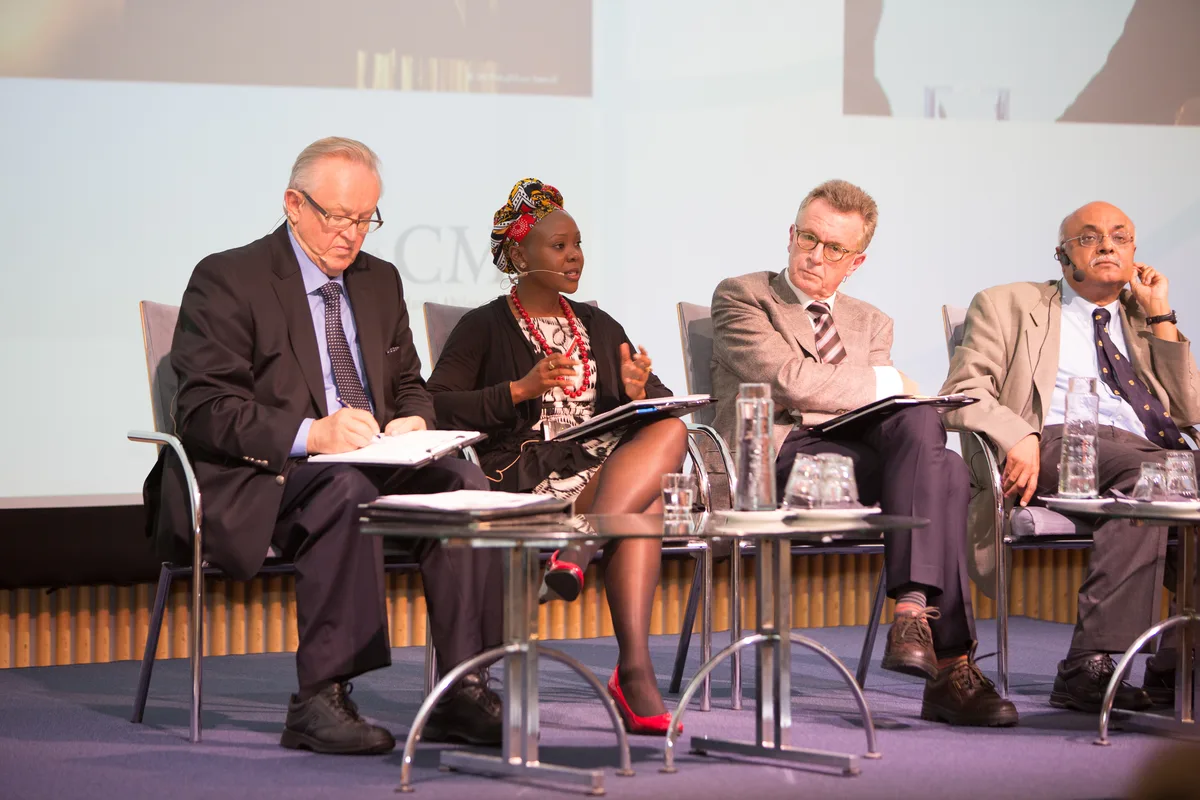
The Martti Ahtisaari Peace Foundation (CMI), founded by Nobel Peace Laureate Martti Ahtisaari, specializes in "Track-Two diplomacy," bringing opposing sides together in neutral, confidential settings to resolve conflicts and prevent wars. (UNU-WIDER from Helsinki, Finland, CC BY 2.0)
These efforts do not always work. However, their existence offers an important way out. They provide an alternative to direct fighting. This is a hidden part of international relations.
The nuclear shadow and de-escalation
Nine states now possess nuclear weapons. This highlights the urgent need for diplomacy. The threat of nuclear conflict defines our time. It strongly pushes for ways to prevent escalation. The “hotline” between Washington and Moscow, set up in 1963, is a direct communication link. It lets leaders speak instantly during crises. This tool was essential during the Cold War and still works today.
Arms control treaties also help de-escalate tensions. The New START Treaty limits U.S. and Russian strategic nuclear arsenals. It offers transparency through inspections. Its future depends on current diplomatic talks. The International Atomic Energy Agency (IAEA) monitors nuclear programs worldwide. It ensures countries follow the Treaty on the Non-Proliferation of Nuclear Weapons (NPT). IAEA inspections in Iran, for example, are important. They provide crucial information to the world.
My understanding of these tools changed. They are not just old ideas. They are constantly tested and updated. They form a strong defense against global disaster.
Economic ties and diplomatic power
Global trade hit an estimated $28 trillion in 2022, according to the World Trade Organization (WTO). This huge connection creates tricky incentives. It sparks both competition and a need for cooperation. Economic ties often act as a strong brake on military conflict. Nations are deeply linked through supply chains. Big disruptions hurt everyone. China, for instance, is the largest trading partner for over 120 countries. Its economic stability affects markets worldwide.
Sanctions are a diplomatic tool. They aim to push countries without direct military action. The broad sanctions against Russia after the Ukraine invasion showed this. They caused great economic pain, yet also revealed how hard it is to fully isolate a major economy. Research shows that economic ties, even when used as weapons, still give strong reasons for peace. Leaders weigh the costs of conflict. They consider the damage to their own economies. This calculation always forms part of diplomatic decisions.
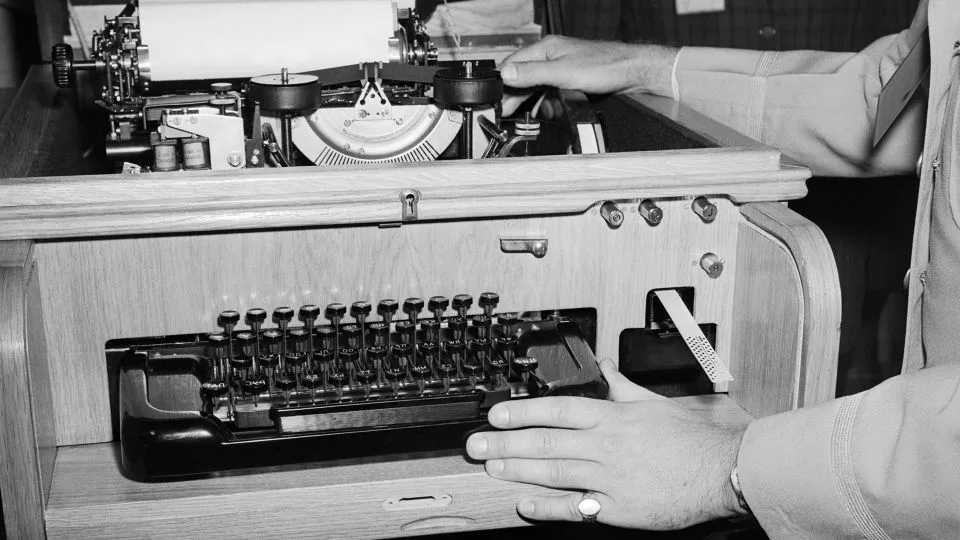
The iconic 'hotline' between Washington and Moscow, established in 1963, was initially a secure teletype system, not a red telephone, designed to allow instant communication between U.S. and Soviet leaders during nuclear crises and prevent accidental escalation. (Source: news-pravda.com)
The strength of international institutions
International institutions like the United Nations often face skepticism. The UN Security Council, for example, often gets stuck, and veto powers can stop action. This visible inefficiency, however, can be misleading. The UN still provides an important global structure. It offers a place for talks. Its specialized agencies do important work. The UN Office for Disarmament Affairs (UNODA), for example, works on arms control and pushes for non-proliferation worldwide.
The International Court of Justice (ICJ) settles disagreements between countries, though its power is limited. Its rulings, even when some ignore them, set legal standards. These standards guide how nations act. They provide a basis for future diplomatic efforts. In 2023, the UN Security Council held 281 meetings. UN records show this number represents constant engagement. These meetings cover many global issues. They keep a basic level of diplomatic contact going.
These institutions are strong, even with their faults. They offer a shared language and a place to meet. They ensure communication channels, even strained ones, remain open. This is essential to preventing mistakes.
The quiet builders of tomorrow’s peace
Diplomacy continues its work, often unseen. It moves through many channels and at different levels. It is a constant, hard effort aimed at stopping the worst from happening. Think about the ongoing talks on global climate change. Nearly 200 nations are involved in these negotiations. They aim to prevent a planetary crisis. That’s diplomacy on a huge scale.
A key lesson is that silence should not be confused with inaction. No major global war is an accident. It happens because of persistent, quiet diplomatic work. These quiet builders of peace work every day. They handle complex global situations, create understanding, and manage global risks, one conversation at a time.
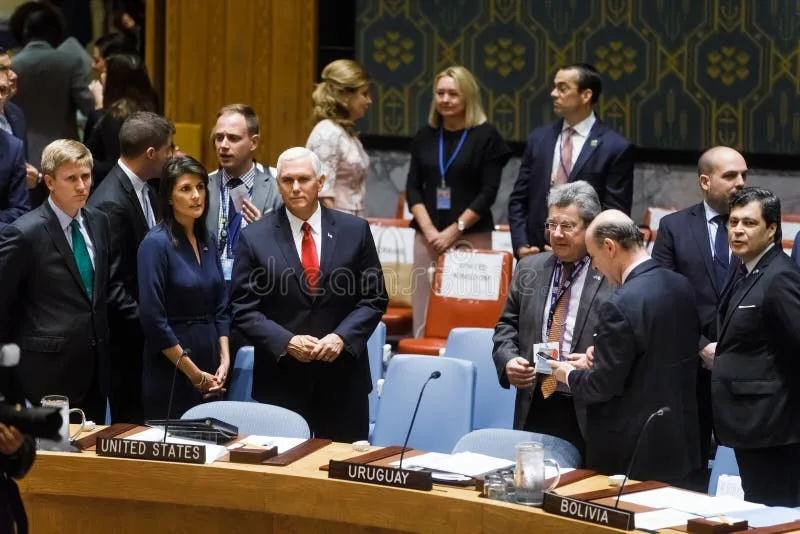
The iconic UN Security Council chamber in New York City serves as a crucial forum for international diplomacy, hosting 281 meetings in 2023 to address global issues and maintain essential communication channels. (Source: dreamstime.com)
You might also like:
👉 US-China: $664B Trade Masks Zero-Sum Global Power Struggle
👉 The 2 Sides of Terrorism: Local Grievances vs. Global Power