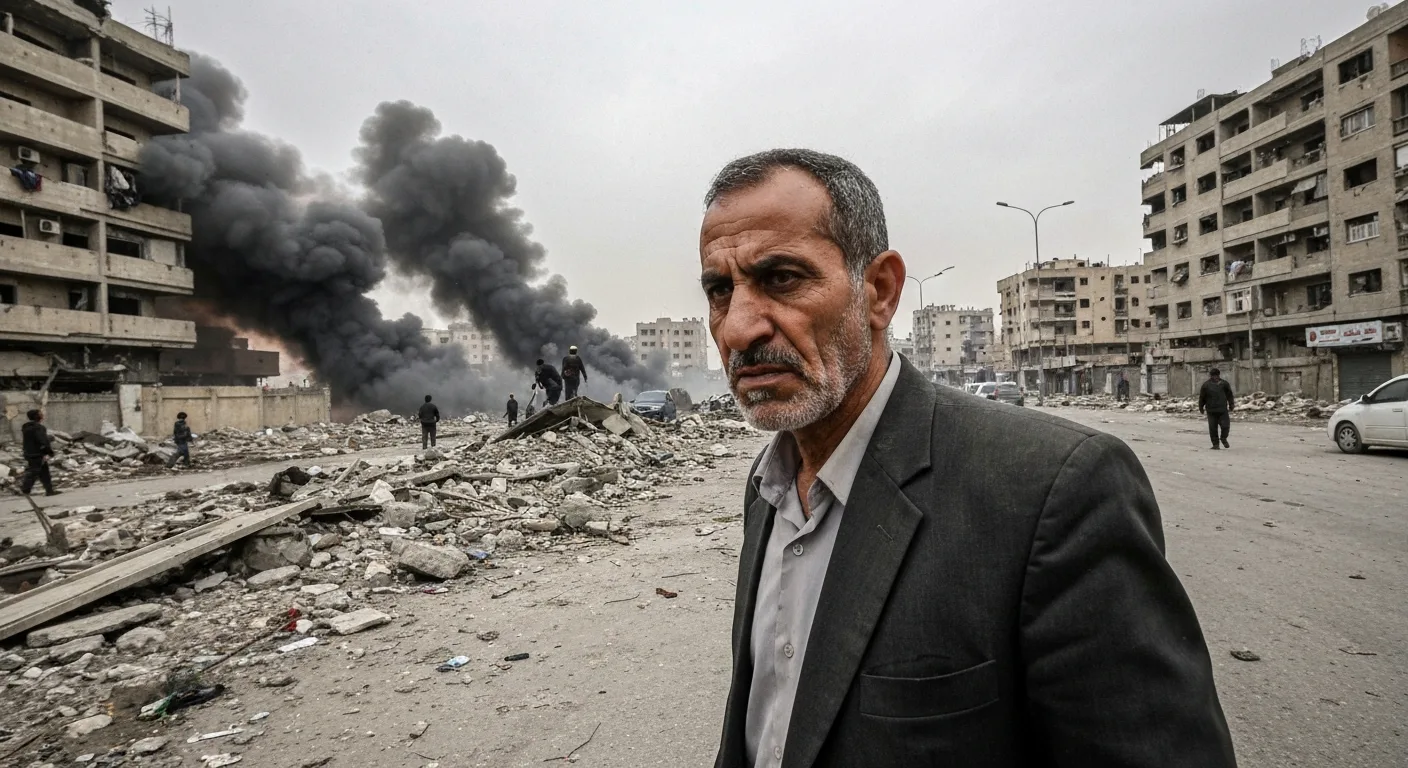
The 2 Sides of Terrorism: Local Grievances vs. Global Power
Terrorism is often framed as local, but global power struggles play a far bigger, often unacknowledged, role in creating terror conditions.
Terrorism is often seen as a standalone evil. It is usually framed as an internal issue, driven by local grievances or extremist ideologies. That is certainly part of it.
However, global power struggles play a far bigger role than typically acknowledged. They create and amplify the conditions that allow terror to thrive.
I once believed terrorism simply grew from local discontent. I expected isolated conflicts, rooted in internal political failures or specific religious extremism.
Instead, I found a complex situation. Major power struggles, proxy wars, and competition for resources often create the conditions for violence. These conflicts lead to power vacuums or worsen existing divisions. This changed my understanding of how terror groups emerge and operate.
Proxy Wars: How Great Powers Shape Local Conflicts
The Soviet-Afghan War (1979-1989) clearly shows this. The United States and its allies sent arms and aid to various mujahideen factions. Their goal was to counter Soviet influence. This support empowered groups that later became powerful extremist organizations.
External powers often support local factions. They provide weapons, training, and money. This can turn a local dispute into a prolonged, deadly conflict. A 2017 Carnegie Endowment study confirmed this effect. External intervention makes civil wars last longer and become deadlier.
These interventions often have unforeseen consequences. Groups armed by one power might turn their weapons elsewhere. They could even turn them against their original patrons. This is known as “blowback.” It is a risk always present in proxy conflicts.
My research showed great powers rarely consider these long-term effects. They focus on short-term strategic gains. This often leaves lasting instability and armed, radicalized groups, a dangerous situation for future security.
Resource Competition and Ideological Differences
The competition for oil and gas in the Persian Gulf grew after the 2003 Iraq War. This competition is not just about money. It often fuels political instability. Outside powers back different sides to gain access or influence.
This backing often worsens local ethnic or sectarian divisions. For example, the Sunni-Shiite rivalry in the Middle East has deep roots. Still, outside actors often exploit and deepen these divisions. They fund certain militias or political movements.
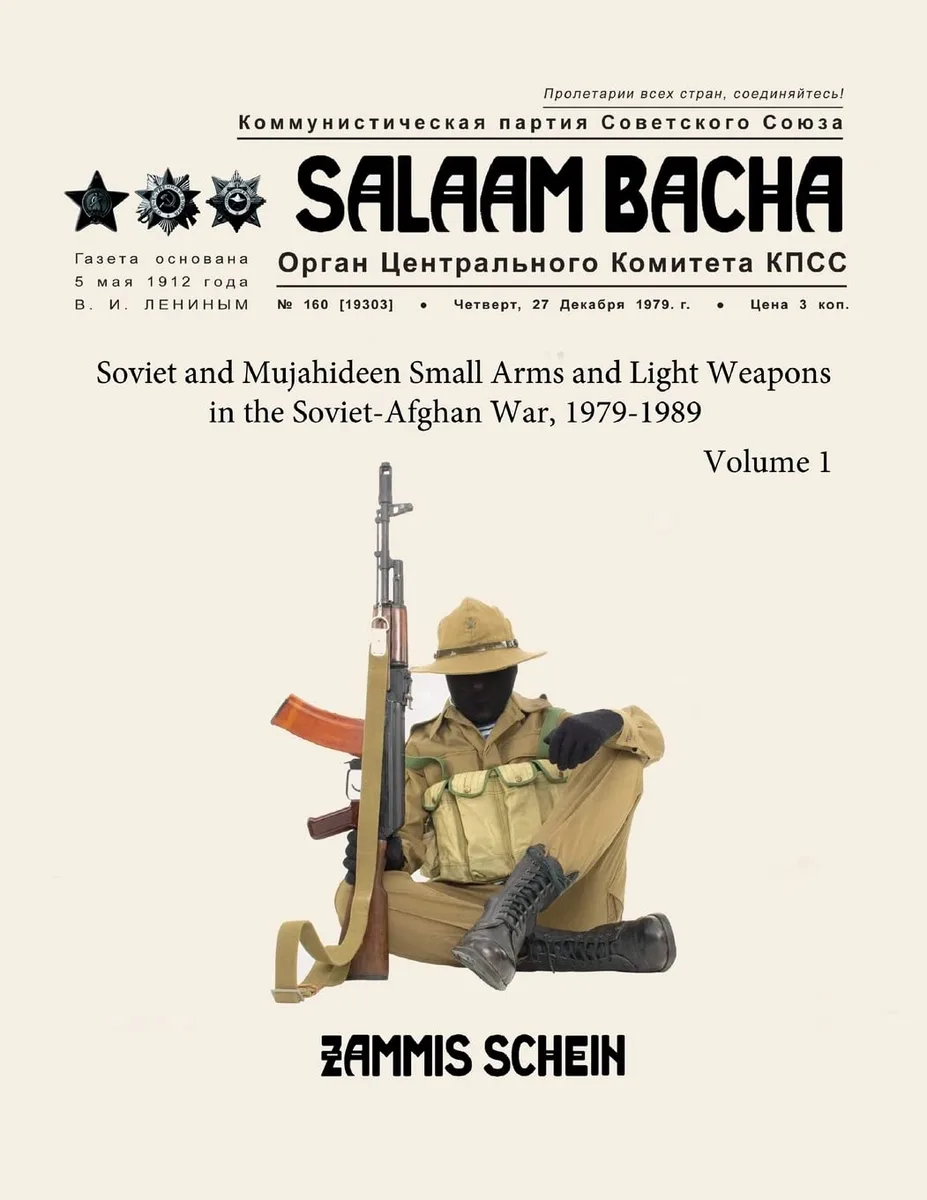
The Soviet-Afghan War (1979-1989) was a defining proxy conflict where the United States and its allies armed mujahideen factions against Soviet influence, a strategy that inadvertently empowered groups later linked to extremism. (Source: amazon.com)
I was surprised by how deeply resource competition mixes with ideological clashes. It is not just about who controls the oil. It is also about who aligns with which regional or global power. A 2023 UN Security Council report highlighted this issue. It detailed how illegal resource trade, like oil smuggling, directly funds extremist groups.
These funds enable terror groups to operate. They can recruit new members and acquire more weapons. This creates a self-sustaining cycle of violence. It allows terror groups to become important players on the global stage.
State Collapse and Terror’s Spread
Libya’s government collapsed in 2011 after NATO intervention, creating a huge power vacuum. This is not an isolated event. Geopolitical pressures or direct interventions often weaken or shatter states. This creates large ungoverned spaces.
These spaces become a breeding ground for terror groups. They exploit the lack of central authority. They recruit from disillusioned, poor populations. These groups offer a distorted form of order or purpose.
My view truly shifted on this point. I used to see state collapse and terrorism as separate problems. Now, I see a direct link. When states weaken, terror groups fill the void. They control territory and impose harsh laws.
The Global Terrorism Index 2023 showed a sobering statistic. It found that 79% of all terrorism deaths occurred in countries with ongoing conflict. This is not a coincidence. Conflict-ridden states cannot counter these threats. Terror groups adapt quickly. They thrive in the chaos from larger geopolitical struggles.
Beyond the Battlefield: Future Implications
The Sahel region, which spans North and West Africa, serves as a stark warning. It experienced a 200% increase in terrorism deaths between 2007 and 2021. This figure comes from the Africa Center for Strategic Studies. This dramatic rise happened as regional instability and outside interventions grew.
This trend suggests a concerning future. Geopolitical rivalries are not slowing down. Competition for influence, resources, and strategic advantages will intensify. This will create more unstable regions globally. It will empower more non-state actors.
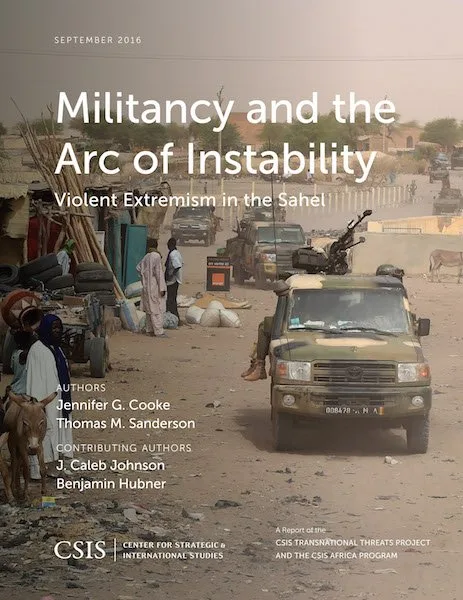
The Sahel region, a vast semi-arid belt spanning North and West Africa, serves as a stark warning, having experienced a dramatic 200% increase in terrorism deaths between 2007 and 2021 amid growing regional instability and outside interventions. (Source: csis.org)
My research leads to one clear conclusion. We must rethink counter-terrorism strategies. Simply focusing on military operations against terror groups is not enough. We need to reduce state-level competition. We must also address its destabilizing effects.
This means promoting inclusive governance. It means supporting economic development. It means finding diplomatic solutions to regional power struggles. There are no easy answers. But if we do not recognize how global conflict drives terror, our efforts will always fall short. This understanding is the only path forward.
Frequently Asked Questions
What is the main difference between global power struggles and terrorism? Global power struggles involve states or major powers competing for influence, resources, or ideology. Terrorism is a tactic used by non-state actors, often targeting civilians, to achieve political goals.
How do proxy wars contribute to terrorism? Outside powers support local factions in proxy wars, often arming groups. This can empower radical elements, prolong violence, and create ungoverned spaces where terror groups emerge and thrive.
Is all terrorism linked to global power struggles? No. Some terrorism stems purely from local grievances or extremist ideologies. Global power struggles, however, often provide the conditions, resources, or power vacuums that allow terror groups to flourish.
What is “blowback” in this context? Blowback describes unforeseen negative consequences of a secret operation or foreign policy. Here, it refers to groups supported by a state eventually turning against that state, often using the very tools or training they received.
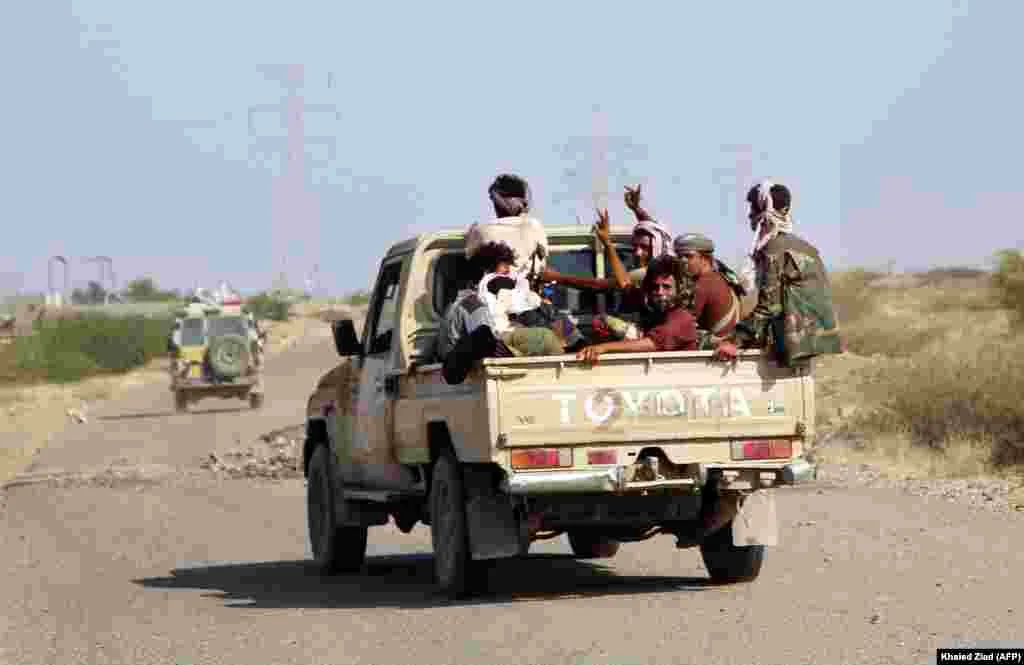
Proxy wars, where external powers support local factions, are a recurring feature of geopolitical competition, often fueling prolonged violence and creating environments ripe for the emergence of terror groups. A notable example is the Angolan Civil War, where the US and South Africa backed UNITA against the Soviet-backed MPLA. (Source: rferl.org)
You might also like:
👉 US-China: $664B Trade Masks Zero-Sum Global Power Struggle
👉 Economic Sanctions: Why They Often Fail to Achieve Goals
👉 1918: When Four Empires Collapsed and Europe Changed Forever