After 2 Years: Ukraine's Surprising Strength Against Russia
Despite initial expert predictions of a swift fall, Ukraine still stands two years after Russia's February 2022 invasion.
Ukraine’s surprising strength: can it win?
In February 2022, Russia invaded Ukraine. Most experts expected Ukraine to fall fast, citing Russia’s huge military and overwhelming numbers compared to Ukraine’s smaller, less equipped forces. Yet, two years later, Ukraine still stands.
Analysis of the data reveals why initial predictions were wrong. The conflict proved to be more than just Ukraine’s strength. It became a complex and changing fight. The definition of “winning” has also shifted. Ukraine’s ability to win appears much greater than many first thought.
The war’s changing face
On February 24, 2022, Russian forces launched a full-scale invasion of Ukraine. This shattered decades of relative peace in Europe. Ukraine, an Eastern European nation, shares a long border with Russia.
Russia had already annexed Crimea in 2014. It also backed proxy forces in Donbas. Russia claimed its goals were to “demilitarize” and “denazify” Ukraine. President Volodymyr Zelenskyy led Ukraine, aiming to keep its territory and sovereignty.
US intelligence, including the Pentagon, predicted Kyiv would fall in days. Russia’s military, with its advanced weapons and numerical edge, was expected to quickly crush Ukrainian defenses. Over 150,000 Russian troops had deployed along Ukraine’s borders before the invasion. Despite this, Ukrainian forces fought fiercely. They pushed back Russian advances on Kyiv and Kharkiv in the early weeks. This unexpected resistance surprised many international observers. It was clear: Russia wouldn’t win a quick, decisive victory.
Western aid and how Ukraine fights back
By April 2022, Ukrainian forces pushed Russian troops back from Kyiv. This made Russia drop its initial multi-front strategy. Russia then focused on eastern and southern Ukraine. These areas were important for a land bridge to Crimea.
Western military aid played a key role in this shift. The United States alone has committed over $44.2 billion in security assistance to Ukraine since the full-scale invasion. This is according to the Council on Foreign Relations. This aid included vital systems like HIMARS rocket launchers and Patriot air defense batteries. These weapons let Ukraine target Russian logistics and protect its skies.
European nations also gave strong support. Germany supplied Leopard 2 tanks. The United Kingdom delivered Challenger 2 tanks. These advanced weapons strengthened Ukraine’s defenses. They helped Ukraine resist constant Russian attacks.
International economic sanctions also tried to cripple Russia’s war machine. G7 nations and other allies put severe limits on Russia’s financial sector and energy exports. Russia, in turn, shifted its economy to war production. It greatly increased defense spending, as the International Monetary Fund noted. Russia also looked for military supplies from partners like Iran for drones and North Korea for artillery shells.
Victory: more than just land
Ukraine’s goal is to get back its 1991 borders. This includes Crimea and the Donbas region. President Zelenskyy has stressed this goal many times. Ukraine also wants war crimes punished and damages paid.
Russia’s goals changed, but still focus on holding occupied land. It also wants to stop Ukraine joining Western alliances like NATO. For Russia, victory means a neutral or compliant Ukraine. It also means making NATO less powerful in Eastern Europe.
The front lines have mostly settled since late 2022. Ukraine’s 2023 counteroffensive made some gains, but didn’t achieve a decisive breakthrough. General Mark Milley, then Chairman of the US Joint Chiefs of Staff, noted the difficulty of breaking through strong defenses. This suggested a long stalemate.
The understanding of “winning” has significantly evolved. For Ukraine, victory might not always mean taking back territory right away. It could also mean making Russia’s occupation too costly to keep, both economically and militarily. This strategy aims to make Russia pay too high a price.
Uncertainties remain about whether Western support will last. Political changes in donor countries could affect future aid. Russia’s huge human resources also pose a challenge. Its ability to absorb losses and call up more troops remains a big factor.
People pay the price
Ukraine’s economy shrank by 29.1% in 2022, according to the National Bank of Ukraine. The war devastated infrastructure and displaced millions. Still, the country’s morale and national identity stay remarkably strong. Civilian resistance and volunteer groups give vital support to the military.
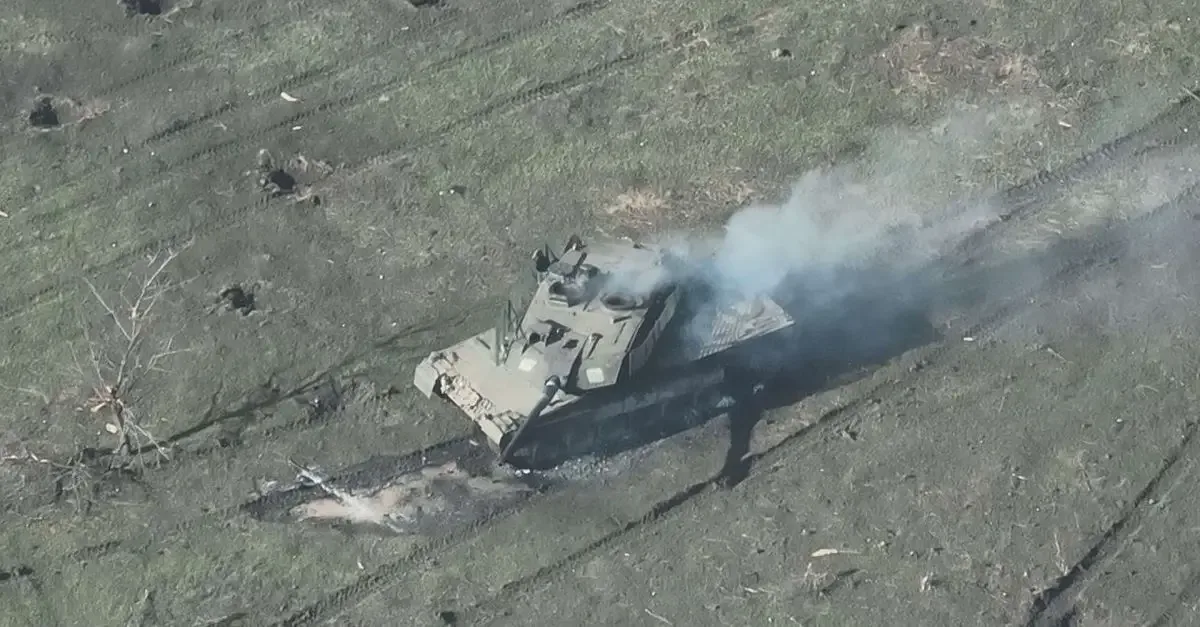
Germany supplied Leopard 2 tanks to Ukraine, a powerful main battle tank known for its advanced armor and firepower. These tanks are a key component of Western military aid, strengthening Ukraine's defenses against Russian aggression and helping resist constant attacks. (Source: armyrecognition.com)
Yet, Ukraine faces growing manpower shortages. Its soldiers’ average age is rising. President Zelenskyy signed a new mobilization law in April 2024 to increase troop numbers. The human cost is immense: countless lives lost, families torn apart.
Russia also faces heavy human costs. The UK Ministry of Defence estimated Russian personnel losses at over 450,000 killed or wounded by May 2024. These figures are hard to verify, but they show a heavy toll. Such losses strain Russia’s social fabric, even with suppressed public dissent.
The war also created a huge humanitarian crisis. The United Nations reports over 6 million Ukrainian refugees have fled the country. Millions more are displaced within Ukraine. These population shifts will deeply impact Ukraine’s recovery and future. The long-term psychological effects on both sides are immeasurable.
What comes next: a fight on many fronts
The 2024 US presidential election will greatly influence future aid packages to Ukraine. This is just one of many outside factors shaping the conflict. The conflict is not a simple military contest. It is a complex struggle involving economics, diplomacy, technology, and sheer willpower.
For Ukraine, steady Western military and financial aid remains essential. Continued innovation in drone warfare and other asymmetric tactics will be key. Keeping morale high among soldiers and civilians is vital for enduring a long conflict. Ukraine must also keep adapting its defense strategies.
For Russia, sustaining its war economy is key. It needs to deal with international sanctions. Russia will also try to exploit any divisions within the Western alliance. Its long-term strategy seems to be attrition.
A definitive military knockout blow by either side seems unlikely soon. Instead, a strategic victory for Ukraine might mean making Russia’s occupation untenable. This means making Moscow pay unacceptable economic and human costs. Such a victory might not immediately restore all territory. But it could secure Ukraine’s long-term sovereignty and European future. The conflict remains a grim test of endurance and resolve.
FAQ
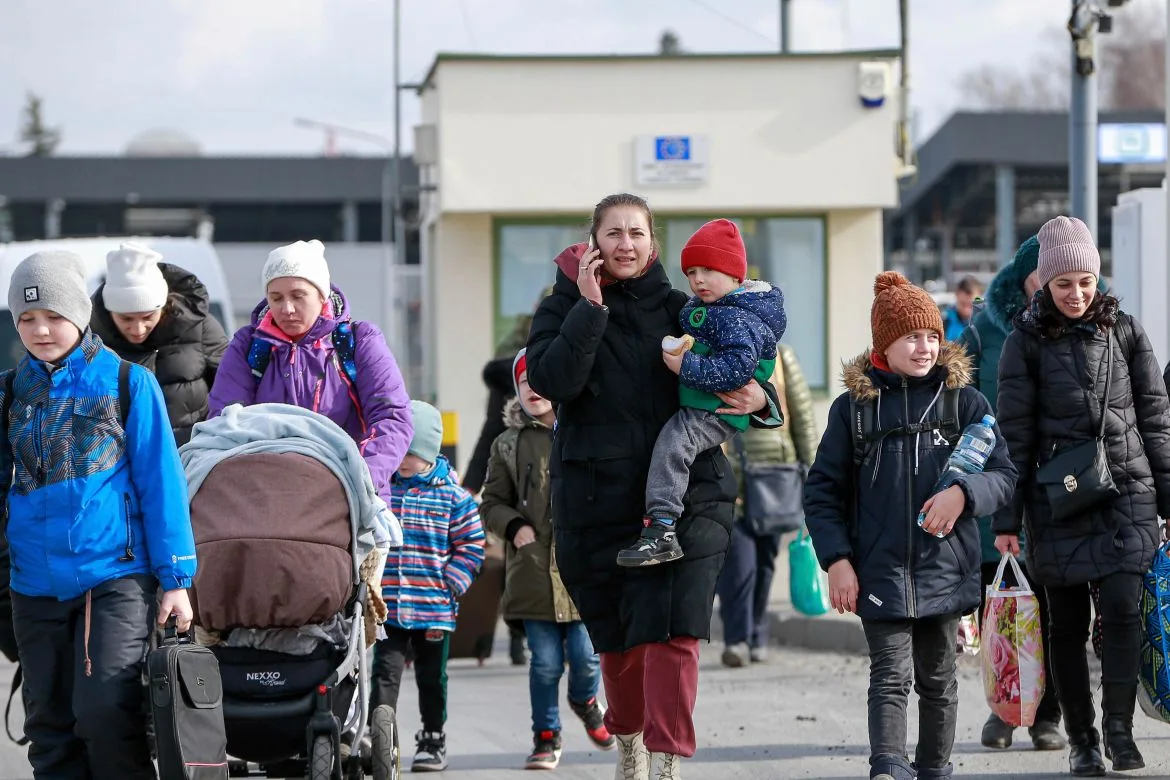
Over 6 million Ukrainian refugees have fled their homes since the 2022 invasion, creating one of the largest humanitarian crises in recent history and deeply impacting Ukraine's future. Many have sought safety in neighboring countries, carrying only what they could. (Source: aljazeera.com)
Q: Can Ukraine reclaim all its territory, including Crimea? A: Ukraine’s goal is to get back all its territory. Doing this militarily, especially for Crimea, is incredibly hard. Russia has strong fortifications and Crimea is strategically vital. It would likely need a big shift in military power or a political solution.
Q: What role does NATO play in the conflict? A: NATO member states give much military and financial aid to Ukraine. NATO itself avoids direct military intervention to prevent a wider conflict with Russia. It focuses on strengthening its eastern flank and stopping further Russian aggression.
Q: Is Russia weakening economically due to sanctions? A: Sanctions have hit Russia’s economy, especially its access to advanced technology and financial markets. Russia has moved its economy to war production and found other trade partners, preventing a collapse. Its ability to withstand pressure is greater than some first predicted.
Q: What are the biggest hurdles for Ukraine to win? A: Ukraine faces challenges like manpower shortages, keeping Western aid, and beating Russia’s numerical advantage. Breaking through Russia’s extensive defensive lines also proves difficult. A long war of attrition favors Russia’s larger population and resources.
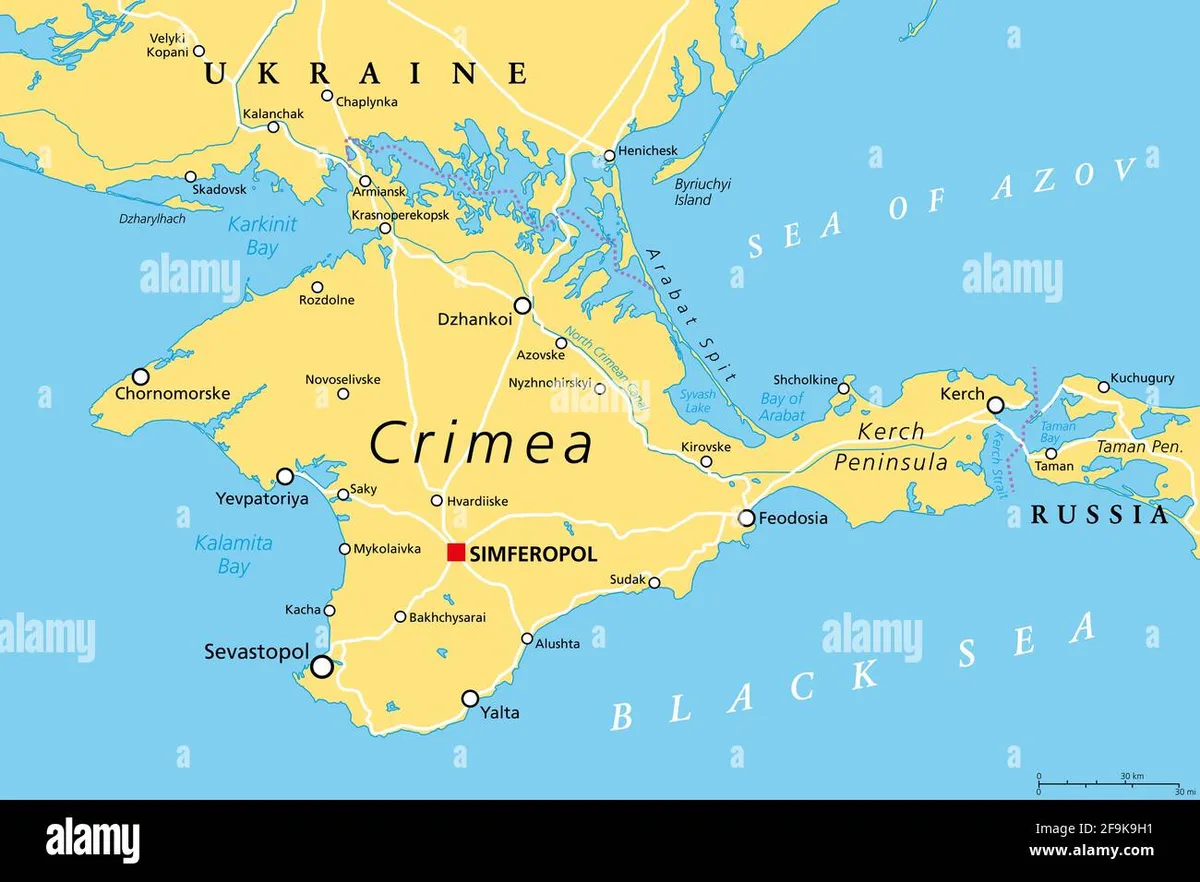
Crimea is a strategically vital peninsula on the northern coast of the Black Sea, annexed by Russia in 2014. Its deep-water ports, like Sevastopol, are crucial for naval power, making it a heavily fortified and fiercely contested territory. (Source: alamy.com)
You might also like:
👉 US-China: $664B Trade Masks Zero-Sum Global Power Struggle