
Virtual Reality for Alcohol Misuse Treatment: A Deep Dive
Virtual reality (VR) is revolutionizing alcohol misuse treatment. Explore how VR creates safe, realistic simulations, helping individuals confront triggers and build coping strategies.
Escaping the Bottle, Virtually: A Deep Dive into Virtual Reality’s Role in Alcohol Misuse Treatment
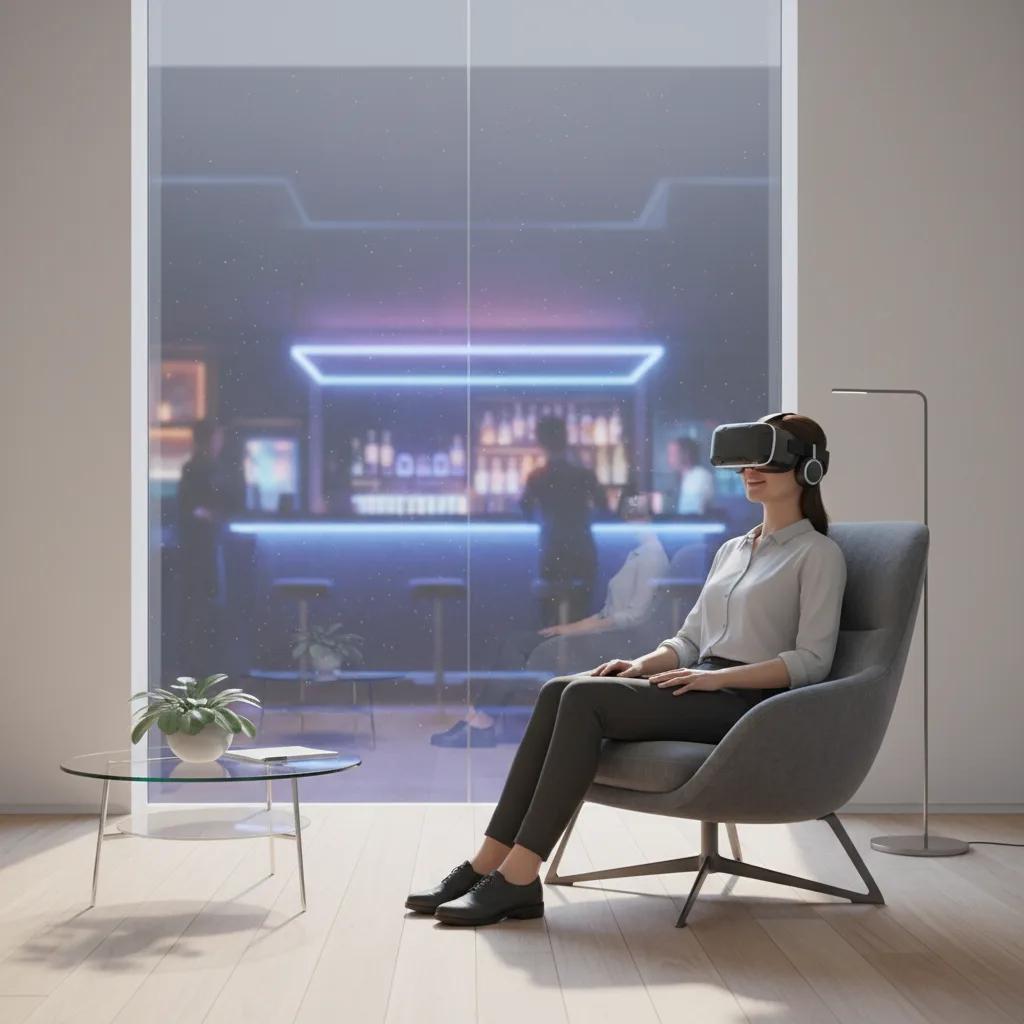
Imagine standing at the precipice of temptation. The familiar clinking of glasses, the hum of conversation, the alluring glow of a dimly lit bar – all recreated with such startling realism that your palms sweat, your heart quickens, and the old craving stirs. But you’re not actually in a bar. You’re in a therapist’s office, wearing a sleek headset, safely immersed in a virtual reality (VR) environment designed to confront your deepest triggers. This isn’t science fiction; it’s the cutting edge of addiction recovery, and a recent systematic review has peeled back the layers on just how transformative these virtual worlds could be for individuals grappling with alcohol misuse.
For decades, the battle against alcohol addiction has relied on a formidable arsenal of therapies: cognitive-behavioral therapy, motivational interviewing, pharmacotherapy. Yet, relapse rates remain stubbornly high, underscoring a critical need for innovative approaches. Enter VR, a technology once relegated to gaming arcades, now emerging as a powerful, empathetic tool in the clinician’s toolkit. TrendSeek is here to explore how this immersive technology is offering a new horizon of hope, one pixelated sip at a time.
The Immersive Paradox: Why Virtual Worlds May Hold Real-World Solutions for Alcohol Misuse
Why would a simulated reality be more effective than, say, discussing triggers in a safe, sterile office? The answer lies in VR’s unique ability to bridge the gap between abstract therapy and real-world application. Traditional therapeutic settings, while crucial, often struggle to replicate the intensity and complexity of an individual’s actual trigger environments. How do you practice refusing a drink from a persistent friend when that friend is merely a hypothetical construct?
VR shatters these limitations by offering ecological validity – the degree to which an experimental simulation mirrors the real world. Patients experience an unparalleled sense of presence, feeling truly “there” in the virtual scene. This immersion allows for controlled exposure to high-risk situations (a bar, a party, a stressful family dinner) that would be impossible or unethical to recreate in real life. Here, individuals can safely confront cravings, practice refusal skills, and rehearse coping mechanisms without the immediate, irreversible consequences of a real relapse. It’s a dress rehearsal for sobriety, granting invaluable experience and confidence before the curtain rises on real-life challenges.
From Craving Cues to Coping Skills: The Core Applications of Virtual Reality in Alcohol Misuse Interventions
The versatility of VR in treating alcohol misuse is truly remarkable, extending far beyond simple simulations. At its heart, many applications leverage Virtual Reality Cue Exposure Therapy (VR-CET). In these scenarios, individuals are immersed in virtual environments specifically designed to elicit cravings – from a bustling pub with animated patrons to a quiet room featuring their preferred brand of alcohol. The goal isn’t to indulge the craving, but to experience it safely, learn to identify its triggers, and practice evidence-based coping strategies like deep breathing or mindfulness, all under the guidance of a therapist.
Beyond craving management, VR excels in other critical areas. Social skills training becomes a dynamic experience, allowing individuals to practice assertive communication, refusal skills, and healthy social interactions in a non-threatening virtual space. Imagine rehearsing how to decline an alcoholic drink at a virtual wedding reception or navigating a challenging conversation with a virtual peer. Furthermore, VR can facilitate relapse prevention by simulating stressful scenarios (e.g., job loss, relationship conflict) and guiding individuals through adaptive responses. Some programs even integrate mindfulness and relaxation techniques, transporting users to tranquil virtual landscapes like serene beaches or peaceful forests, helping them develop healthier emotional regulation skills.
Unpacking the Evidence: What Systematic Reviews Reveal About VR for Alcohol Misuse
So, what does the rigorous scientific community say about these promising applications? A recent systematic review synthesizing multiple studies on applications of virtual reality in individuals with alcohol misuse offers crucial insights. These comprehensive analyses meticulously sift through existing research, evaluating methodologies, outcomes, and overall effectiveness. The consensus? VR holds significant promise, particularly in its ability to reduce craving intensity and improve self-efficacy among individuals with alcohol use disorder.

Studies consistently highlight VR-CET’s potential as an adjunct to traditional therapies. Participants often report lower subjective craving levels and demonstrate improved coping strategies after VR interventions. While the evidence is compelling, the systematic review also points to areas requiring further investigation. Many existing studies involve relatively small sample sizes and diverse methodologies, making direct comparisons challenging. There’s a clear call for more large-scale, randomized controlled trials with standardized protocols to solidify the evidence base and guide the widespread adoption of VR in clinical practice. The journey from promising tool to gold-standard treatment is ongoing, but the initial findings are undeniably encouraging.
Pioneering Programs: Real-World Glimpses of VR in Addiction Recovery
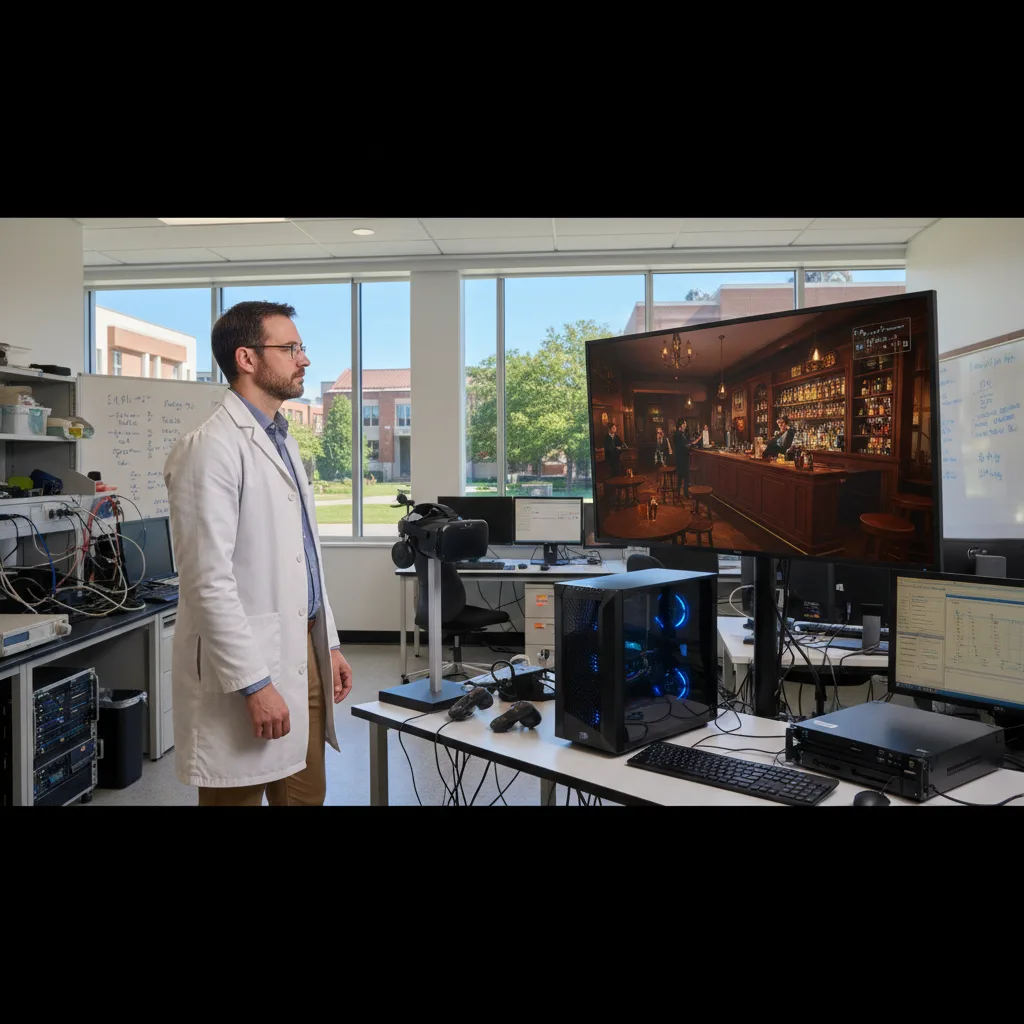
Across the globe, researchers and clinicians are translating these theoretical applications into tangible, life-changing programs. Consider the pioneering work at institutions like the University of Houston’s BRAIN Center, where Dr. Patrick Bordnick and his team have been at the forefront of developing VR environments for addiction treatment for years. Their “Virtual Bar” scenario, for example, is a meticulously crafted simulation that places individuals in various bar settings, complete with ambient noise, virtual patrons, and realistic drink presentations, allowing therapists to observe and guide real-time coping responses.
Another exemplary initiative, though often still in research phases, is the development of personalized VR modules. Imagine a program where the virtual environment is tailored to an individual’s specific triggers – perhaps a virtual recreation of their home environment where they typically drank, or a simulation of a particular social group. Companies like MindMaze and Oxford VR are also exploring VR as a platform for delivering evidence-based psychological therapies, including those for addiction. While widespread commercial deployment for alcohol misuse is still evolving, these early programs demonstrate the profound potential for VR to move beyond research labs and into clinical settings, offering personalized, engaging, and effective interventions.
Beyond the Headset: Challenges, Ethics, and the Road Ahead for VR in Alcohol Misuse Treatment
While the promise of VR in alcohol misuse treatment is undeniable, its widespread adoption faces several significant hurdles. Foremost among them are cost and accessibility. High-quality VR headsets and sophisticated software platforms can be expensive, limiting their availability, especially in underserved communities. Furthermore, the need for trained therapists who can effectively integrate VR into their practice presents a logistical challenge. Technical literacy, both for clinicians and patients, can also be a barrier, requiring user-friendly interfaces and robust support systems.
Ethical considerations are also paramount. Ensuring data privacy within virtual environments, responsibly designing trigger scenarios to avoid re-traumatization, and managing potential simulator sickness are all critical. The future of VR in this field will likely see greater integration with artificial intelligence, allowing for adaptive, personalized interventions that respond in real-time to a patient’s emotional state and progress. Remote delivery of VR therapy, making treatment more accessible to individuals in rural areas or those with mobility issues, is another exciting frontier. VR is not a magic bullet, nor is it meant to replace human connection in therapy, but rather to augment and enhance it, providing a powerful new dimension to healing.
Conclusion: A New Horizon for Healing
The journey toward lasting sobriety is often arduous, fraught with triggers and temptations that can derail even the most determined individual. Yet, as the findings of recent systematic reviews underscore, virtual reality offers a compelling new frontier in the treatment of alcohol misuse. By creating safe, controlled, and intensely realistic environments, VR empowers individuals to confront their demons, practice essential coping skills, and build resilience against relapse.
While research continues to evolve, solidifying best practices and expanding the evidence base, the core message is clear: VR is not just a technological marvel; it is a profound tool for empathy and empowerment. It offers a glimpse into a future where healing is more immersive, more personalized, and ultimately, more effective. For those seeking to escape the grip of alcohol, the virtual world may just hold the key to a very real and enduring recovery.
You might also like:
👉 Virtual Reality in Healthcare: Revolutionizing Medicine & Patient Care
👉 Virtual Reality for Burn Pain Management: Immersive Healing
👉 Virtual Reality: Revolutionizing Autism Inclusion & Social Skills