
YorkU Cheating: 30,000 Reddit Members Spill the Truth
York University's academic honesty is challenged. Over 30,000 r/yorku members openly discuss cheating and academic pressure.
YorkU’s Cheating Problem: What Reddit Reveals
York University teaches over 55,000 students in Toronto. Academic honesty is a core value. Digital platforms, especially Reddit, have changed how students discuss academic pressure and cheating. The r/yorku subreddit has over 30,000 members. They often share open thoughts about university life there.
Many people believe academic dishonesty comes from a few bad choices. They think students cheat because they are lazy or want easy grades. This idea misses the larger picture. Reddit shows a bigger problem. Students know cheating is common. They feel upset by issues within the system. Sometimes, Reddit even becomes a place to share cheating methods or ask for help. Dr. Sarah Eaton, an associate professor at the University of Calgary, notes that some cheating behaviors become accepted online.
Online Talk: YorkU Students and Cheating
In 2020, universities moved online. Discussions about academic honesty grew everywhere. York University students, like others, faced new testing methods. Reddit’s anonymity gave them a place to talk. Many students felt confused about the rules. Others described issues with online proctoring software.
Most people blame students’ individual moral failings. They say students lack good character. This ignores important outside factors. Reddit threads often show student worries. Students worry about heavy workloads, language barriers, and mental health. These real-world problems push them towards academic shortcuts.
This does not excuse dishonesty. It helps us understand why it happens. Dr. Tricia Bertram Gallant, an academic honesty expert, argues that universities must do more than just punish. She believes in creating a culture of honesty. This means providing education and support before problems arise. Reddit, though sometimes concerning, shows us what students think and struggle with.
Pressure Cooker: Why Students Cheat
A 2020 study found a large increase worldwide in academic dishonesty during COVID-19. This rise was more than simple plagiarism. It included widespread use of unapproved aids and contract cheating. Most people blame students for this rise, saying they took advantage of new online weaknesses.
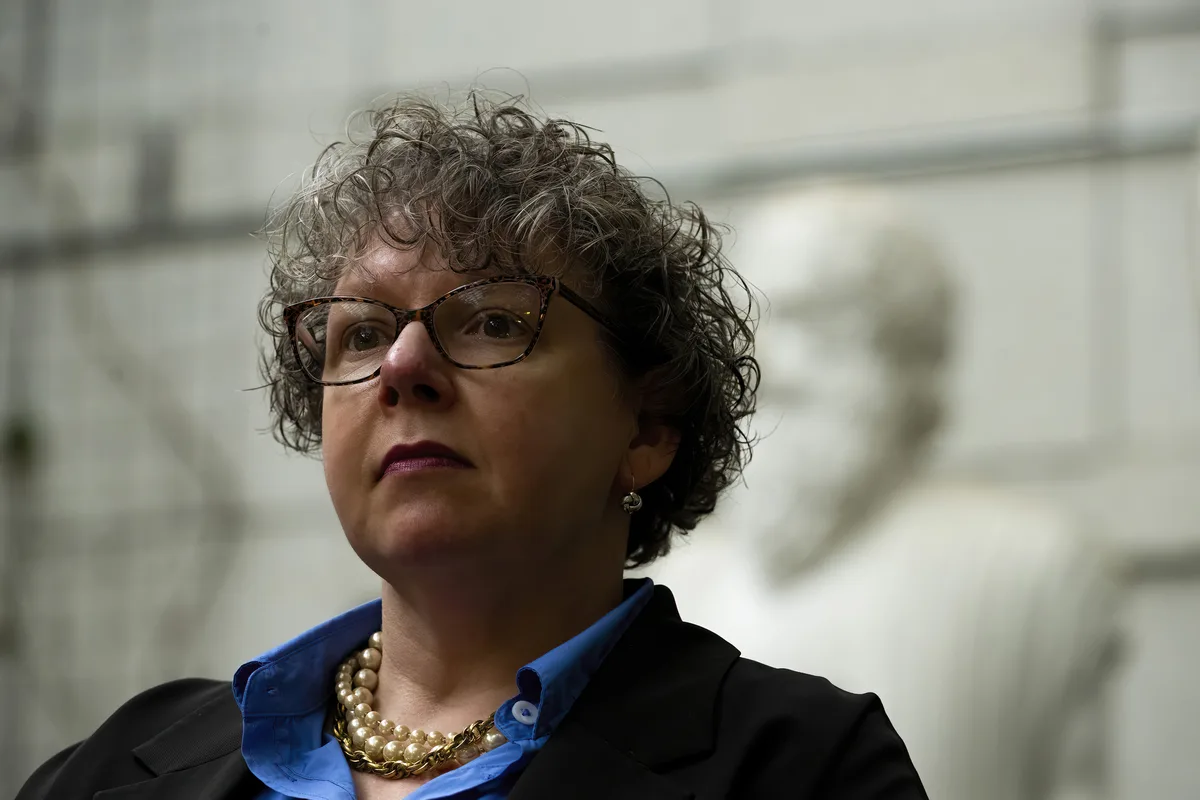
Dr. Sarah Eaton, an associate professor at the University of Calgary, is an expert on academic integrity. She notes how online environments can normalize certain cheating behaviors, a key insight into the issues discussed on platforms like Reddit. (Source: drsaraheaton.com)
This view overlooks the immense pressures students faced. Many YorkU students on Reddit described working multiple jobs. Others talked about caring for family members. They also dealt with isolation during lockdowns. A 2021 survey by the Ontario Undergraduate Student Alliance (OUSA) found that 89% of Ontario students reported moderate to severe psychological stress. This directly affects schoolwork and choices.
Students often feel huge pressure to get high grades. This pressure comes from family, scholarships, and career goals. Add mental health struggles and financial stress, and cheating becomes more appealing. Reddit threads often show students asking for advice on difficult courses. They share ways to manage their time. Some threads even show desperation. It reveals a system where many feel they must succeed no matter the cost.
Contract Cheating: An Industry, Not Just Students
Research by Dr. Cath Ellis from the University of Wollongong in Australia shows contract cheating is a global industry worth millions. This changes the idea that cheating is only students copying each other. Contract cheating means paying outside parties to complete assignments, essays, or even full courses. These services often run complex online campaigns.
York University’s Office of Academic Integrity has issued clear warnings. They warn students against essay writing services and assignment help websites. Such services advertise aggressively. They promise good grades and privacy. Reddit discussions usually do not promote these services. However, sometimes students ask about them. Others warn peers about the serious punishments for getting caught.
The scale of this issue is huge. Turnitin, a common plagiarism detection service, reported a 159% increase in suspected “contract cheating” submissions between 2019 and 2021. This data suggests that old detection methods, which look for matching text, are not enough. Contract cheating produces original work. It often gets past plagiarism software. Universities need new ways to find and stop these clever operations.
Catching Cheaters: The Gaps and Problems
York University’s Academic Honesty Policy clearly states how to report and handle cheating cases. Most people assume these policies, along with tools like Turnitin, prevent dishonesty. They think these tools catch most students who cheat. This assumption overlooks major detection gaps and real difficulties.
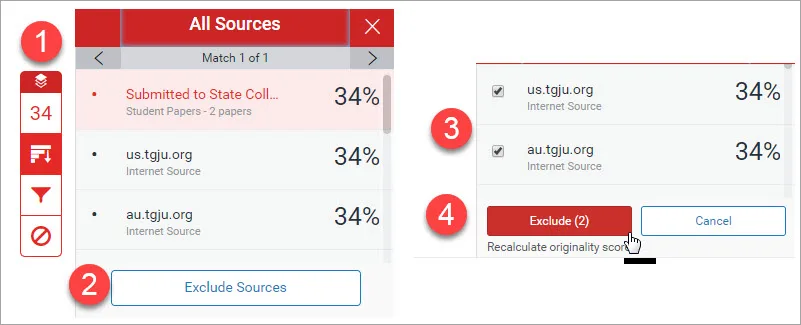
Turnitin, a widely used plagiarism detection service, reported a 159% increase in suspected contract cheating submissions between 2019 and 2021, highlighting the evolving challenges in academic integrity. (Source: teaching.utoronto.ca)
Reddit threads often discuss how students try to avoid detection software. They share how cases are handled differently by various instructors. Some students believe certain instructors are more watchful. Others feel the system is unfair. Dr. Tricia Bertram Gallant emphasizes that stopping cheaters requires more than just policies. It needs steady, clear communication and fair rules across all departments.
Large universities like York face a big challenge. They must ensure consistent oversight for tens of thousands of students. Instructors, who are often busy, may find it hard to spot clever cheating. AI tools like ChatGPT make detection even harder. They create unique, human-like text that typical plagiarism checkers cannot easily flag. This technology race means universities must constantly change their methods.
More Than Punishment: Building an Honest Culture
In 2022, York University started a new “Academic Integrity Tutorial.” This required online lesson aims to teach all new students. The usual way to deal with academic dishonesty often involves stricter punishments and more monitoring. A lasting solution means creating a culture of honesty before problems occur. This goes beyond simply stopping cheaters.
Reddit discussions often show students are confused. They misunderstand what counts as cheating, especially with group work or online materials. This shows a need for better education. Many students arrive without a clear understanding of academic ethics. Dr. James Lang, author of “Small Teaching,” says we should put academic honesty lessons directly into course design. He suggests making it part of learning, not just a separate rule.
This approach means teaching proper citation rules. It includes building critical thinking skills. It also involves explaining why original thought is important. Professor Brenda McPhail, Director of the York University School of Social Work, highlights the need for clear expectations and open talks. When students understand why honesty matters, they are more likely to follow it. This shifts the focus from catching cheaters to helping students become ethical learners.
The Way Forward: Rebuilding Trust Online
AI tools like ChatGPT pose a significant challenge to academic integrity, generating unique, human-like text that traditional plagiarism checkers struggle to detect, compelling universities to constantly evolve their methods. (AI-generated illustration)
The Canadian Centre for Academic Integrity (CCAI) calls for a national plan. This plan aims to address widespread academic misconduct. The problem is not just at York University. It is a system-wide challenge facing higher education globally. Good solutions require commitment from institutions, new teaching methods, and real student involvement.
Universities must adjust to new cheating methods, including new AI tools. They need updated policies and creative teaching ideas. Listening to student views, even on Reddit, can help these efforts. It points out problems and areas that need clearer information. Rebuilding trust in academic degrees is a group effort.
This needs ongoing talks between students, faculty, and administration. It means designing tests that encourage true learning, not just memorizing. It involves creating a setting where students feel supported, not just watched. The goal is to build a school community where honesty is valued for itself, not just enforced.
You might also like:
👉 Youth & AI: The Global Risks in Apps & Social Media