San Antonio 2012: How AI Began Collecting Your Kid's School Data
On September 5, 2012, San Antonio middle schoolers logged into new AI dashboards, unknowingly starting a vast data collection trend in education.
AI in Schools: Who Owns Your Kid’s Data?
September 5, 2012. Middle schoolers in San Antonio, Texas, logged into new personalized learning dashboards. This wasn’t just a new tool; it was a quiet revolution. These platforms promised to adapt to each child’s pace. They also started collecting a vast amount of student data.
This shift changed education technology forever. Schools traded static textbooks for digital tools that change and respond. But this change brought big questions about student privacy. The road from simple digital gradebooks to sophisticated AI tutors has only made those concerns sharper.
How Classrooms Went Digital
For decades, student data stayed on paper. Records like attendance, grades, and disciplinary notes lived in locked cabinets. Teachers knew their students well. They understood each child’s learning needs through direct interaction.
By the late 1990s, basic digital tools arrived. Schools started using software for administrative tasks. These early systems mostly just digitized old records. They made things more efficient. But they didn’t really change how schools collected data.
The early 2000s brought Learning Management Systems (LMS). Platforms like Blackboard and Moodle became common. These platforms made it easy to submit assignments and track grades. They stored more information online. But they mostly just collected academic performance data.
In 2006, Google introduced Google Apps for Education. This collection included Gmail, Docs, and Calendar. It quickly caught on in K-12 schools. Districts loved these tools; they were cheap and made collaboration easy. Soon, a huge amount of student communication and coursework lived on Google’s servers.
This shift started new discussions. Schools adopted powerful digital tools. They often did this without fully understanding the data implications. Student data now went to third-party companies. These companies had their own business models and data policies.
When AI Came to School
By 2012, personalized learning was a big deal. Companies like Knewton, based in New York City, led the way with adaptive learning platforms. Knewton’s technology used algorithms. It analyzed student performance data. Then it recommended tailored educational content.
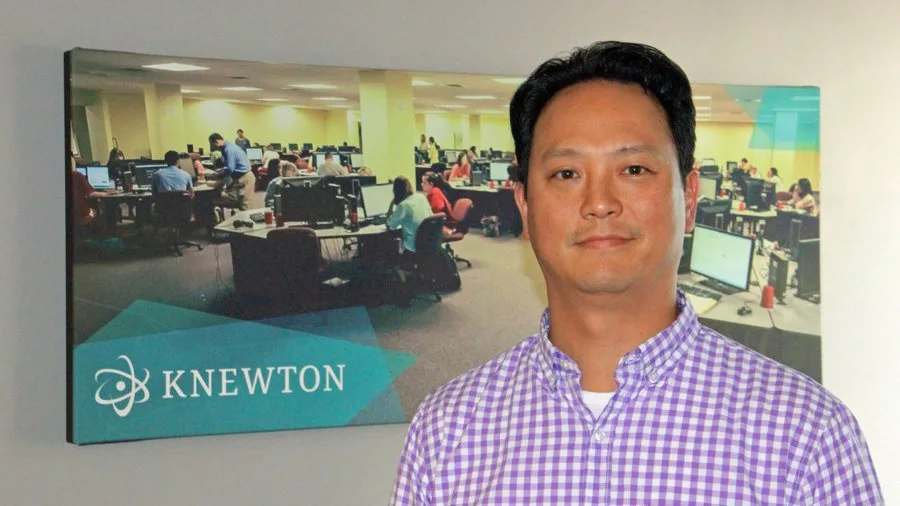
Founded in 2008, Knewton was a pioneering company in adaptive learning, developing platforms that used algorithms to analyze student data and personalize educational content. Its rise in the early 2010s marked a significant shift towards data-driven education, sparking early debates about student privacy. (Source: bizjournals.com)
Knewton partnered with major publishers. Its CEO, Jose Ferreira, publicly shared an ambitious vision. He imagined a future where every student got a unique learning path. Data science would make this path as effective as possible. The company claimed its algorithms could predict student success.
This new wave of AI tools collected more than grades. They tracked every click, pause, and answer. They monitored time spent on questions. They recorded interaction patterns. This detailed data was supposed to refine learning algorithms. It also built deep digital profiles of students.
Concerns started to appear. In 2014, the Future of Privacy Forum (FPF) published a report. It pointed out ed-tech’s opaque data practices. FPF’s Amelia Vance noted many school contracts were weak. They didn’t clearly define data ownership or usage. This left student data exposed.
The Student Privacy Pledge launched in 2014. This industry initiative saw over 200 ed-tech companies sign on. They promised not to sell student data. They also pledged not to use it for targeted advertising. This showed growing awareness. It also reflected pressure from privacy advocates.
But the pledge was voluntary. It had no enforcement mechanism. Many companies still collected a lot of data. They used this data to improve products. This practice often blurred lines. It raised questions about the real purpose of data collection.
COVID-19: A Data Gold Rush
In March 2020, COVID-19 forced schools worldwide into remote learning. This event supercharged ed-tech adoption. Millions of students moved to online platforms overnight. Zoom, Google Classroom, and various AI assessment tools became essential.
This rapid shift also exposed students to new data collection methods. Online proctoring services, like Proctorio and Honorlock, exploded in use. These tools used AI. They monitored students during exams. They used webcams, microphones, and screen-sharing to detect suspicious behavior.
These proctoring tools collected biometric data. They analyzed facial movements and eye gaze. They recorded audio environments. Students reported high stress. They worried about false cheating accusations. Privacy advocates screamed about this invasive surveillance.

During the COVID-19 pandemic, online proctoring software like Proctorio and Honorlock surged in use, employing AI to monitor students via webcams, microphones, and screen-sharing, raising significant concerns about biometric data collection and student privacy. (AI-generated illustration)
The Electronic Frontier Foundation (EFF) strongly objected. In a 2020 white paper, the EFF’s Bill Fitzgerald called these tools “privacy invasive.” He warned that permanent student surveillance records were being created. These records could follow students beyond their K-12 years.
Social-emotional learning (SEL) tools also worried people. Some AI platforms claimed to detect student emotions. They used facial recognition or voice analysis. These tools aimed to find students needing support. Critics called this highly intrusive. They questioned the accuracy and ethics of such monitoring.
The huge jump in digital learning meant a massive flood of student data. Schools often lacked resources. They struggled to vet every new platform for privacy risks. This created ripe conditions for data breaches and misuse.
Rules and New Problems
Lawmakers responded to the surge in data collection. In 2013, California passed the Student Online Personal Information Protection Act (SOPIPA). It stopped ed-tech companies from targeting ads to students. It also banned creating student profiles for non-educational uses. This was a landmark state law.
Nationally, the Family Educational Rights and Privacy Act (FERPA) remained the main federal law. FERPA protects student education records. But it was written in 1974. It came before the internet and AI. Applying it to modern ed-tech has been a big debate.
In 2021, the Federal Trade Commission (FTC) warned ed-tech companies. It reminded them of their COPPA obligations. The Children’s Online Privacy Protection Act (COPPA) requires parental consent to collect data from kids under 13. The FTC stressed that companies can’t force parents to give up privacy rights.
Generative AI arrived in 2022, bringing new privacy dilemmas. Tools like ChatGPT entered classrooms. Students used them for writing, research, and problem-solving. These AI models learn from user input. This means student queries and original work become part of the training data.
OpenAI, ChatGPT’s developer, said it uses user content. This content helps improve its models. But it also offers enterprise versions. These versions promise not to train on customer data. This difference is vital for schools. They must understand how their student data is handled.
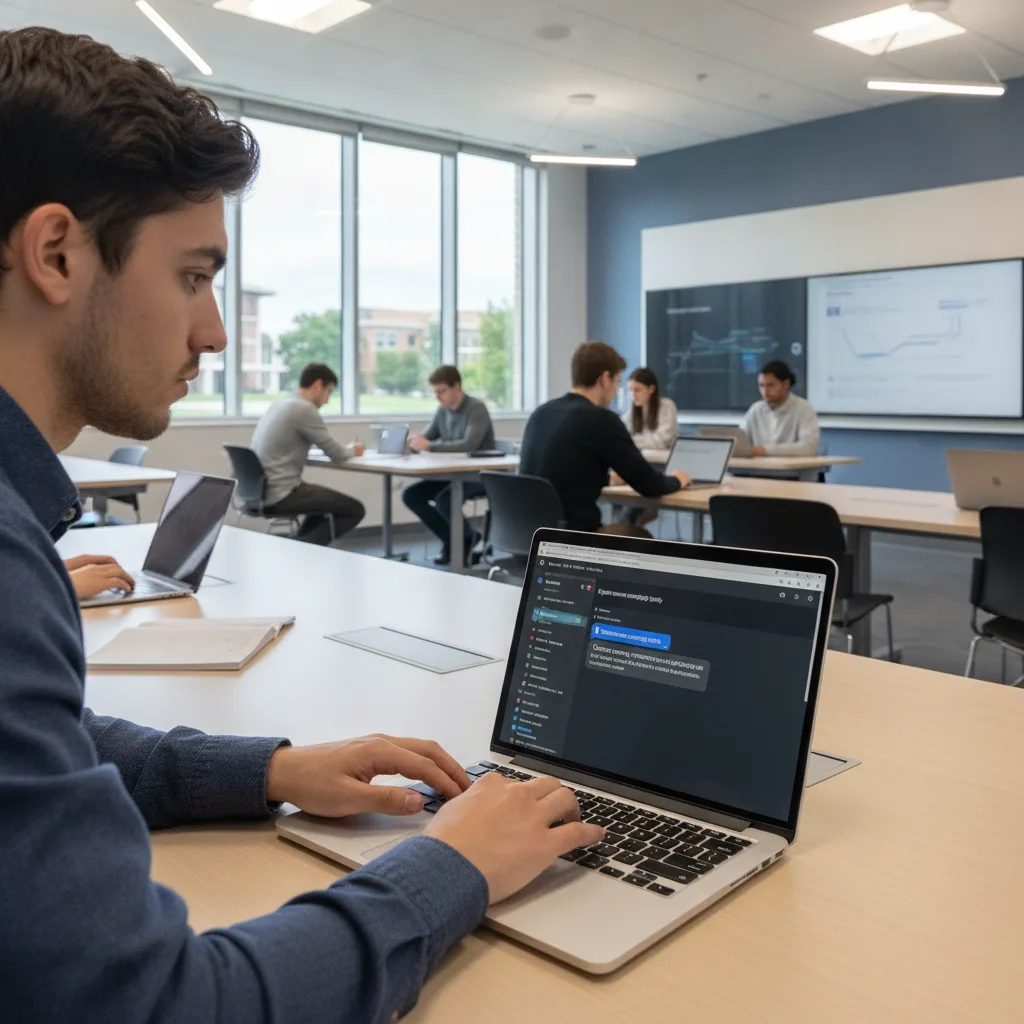
ChatGPT, developed by OpenAI, rapidly entered classrooms in 2022, prompting new debates about student data privacy as user inputs become part of its training data. (AI-generated illustration)
Dr. Neil Selwyn, a professor of education at Monash University, pointed out this issue. He noted that student privacy often gets overlooked. Schools focus on AI’s instructional benefits. They often ignore its data footprint. This creates a big risk.
Protecting Kids in a Digital World
Protecting student data is crucial in the age of AI. AI in education offers personalized instruction and adaptive learning. But it also demands strict attention to data privacy. Schools, parents, and policymakers must work together. They need to set clear boundaries.
One key step is strong vendor checking. Schools must thoroughly examine ed-tech contracts. They need to understand what data is collected. They must know how it’s stored and used. They should prioritize companies that minimize data collection.
Educating students and parents is also vital. They need to understand their digital rights. They should know how their data gets used. Clear communication from schools can build trust. It also helps individuals take control.
Policymakers must update existing laws. New rules are needed. These laws must address the complexities of AI-driven data collection. They must ensure student data is used only for educational purposes. Stronger enforcement is essential.
The goal is to use AI’s potential without compromising student privacy. The digital classroom should enable learning, not become a surveillance zone. This isn’t just about protecting data; it’s about protecting childhood itself. If we fail, schools risk becoming data factories, not places of discovery. The fight for digital privacy in education is just beginning.
Questions You Might Have
What kind of student data does AI collect? AI tools in education can collect many data types. This includes academic performance, attendance, behavior patterns, and interaction data (clicks, time spent). Some tools also gather biometric data like facial expressions and eye movements.
Who owns student data collected by AI tools? Data ownership is often complex and depends on contracts. Generally, schools are responsible for student data. But the ed-tech companies processing this data often keep rights to use it for product improvement.
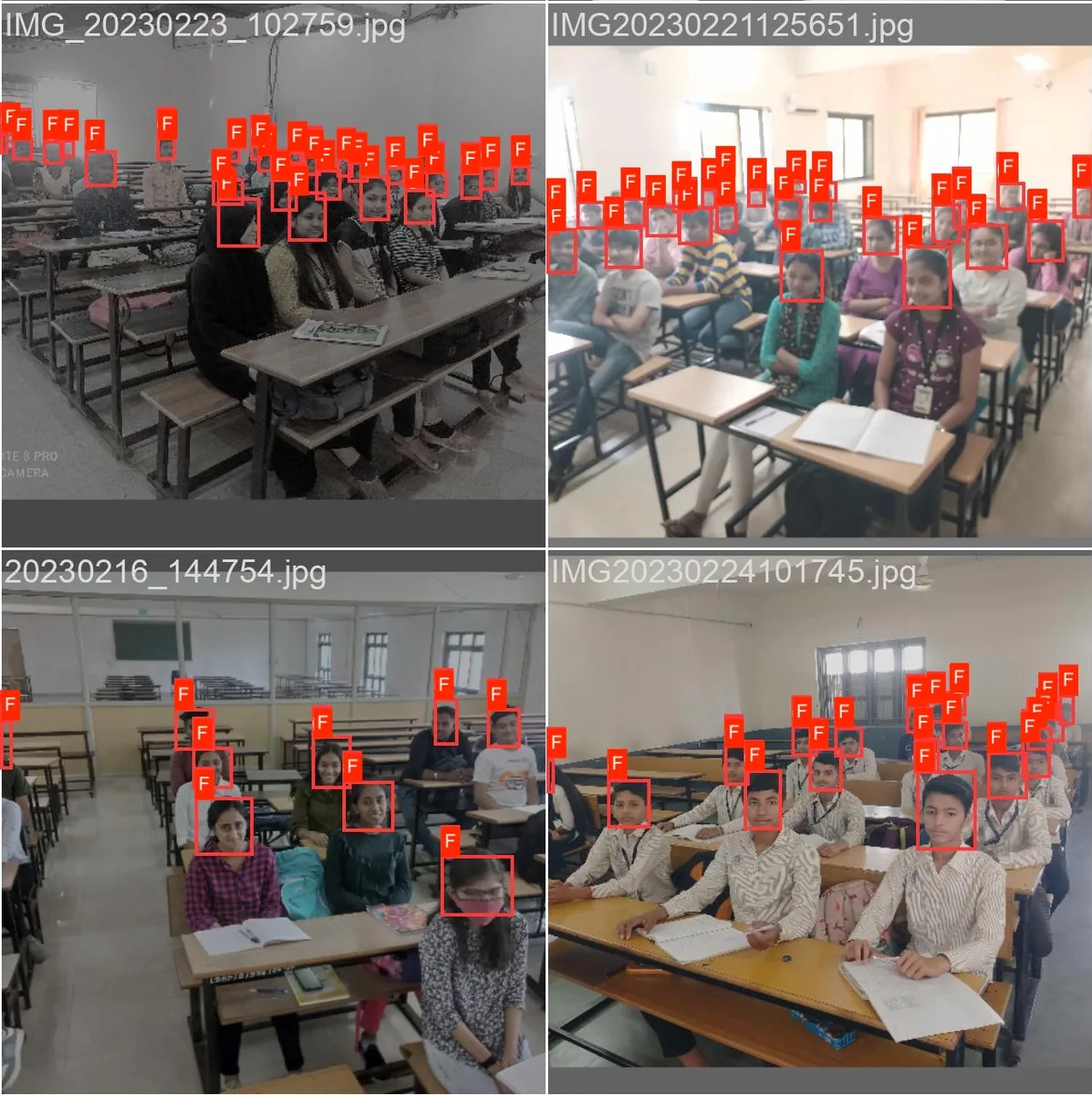
AI tools in education are increasingly collecting sensitive biometric data, such as students' facial expressions and eye movements, to gauge engagement or understanding. This practice raises significant privacy concerns, as this data could reveal personal information beyond academic performance. (Source: arxiv.org)
What laws protect student data privacy? In the U.S., FERPA (Family Educational Rights and Privacy Act) and COPPA (Children’s Online Privacy Protection Act) are key federal laws. Many states, like California with SOPIPA, have also passed their own student privacy laws.
What can parents do to protect their children’s data? Parents can ask schools about their data privacy policies. They should ask about the ed-tech tools used and review their privacy policies. Parents can also push for stronger privacy protections at school board meetings and with lawmakers.
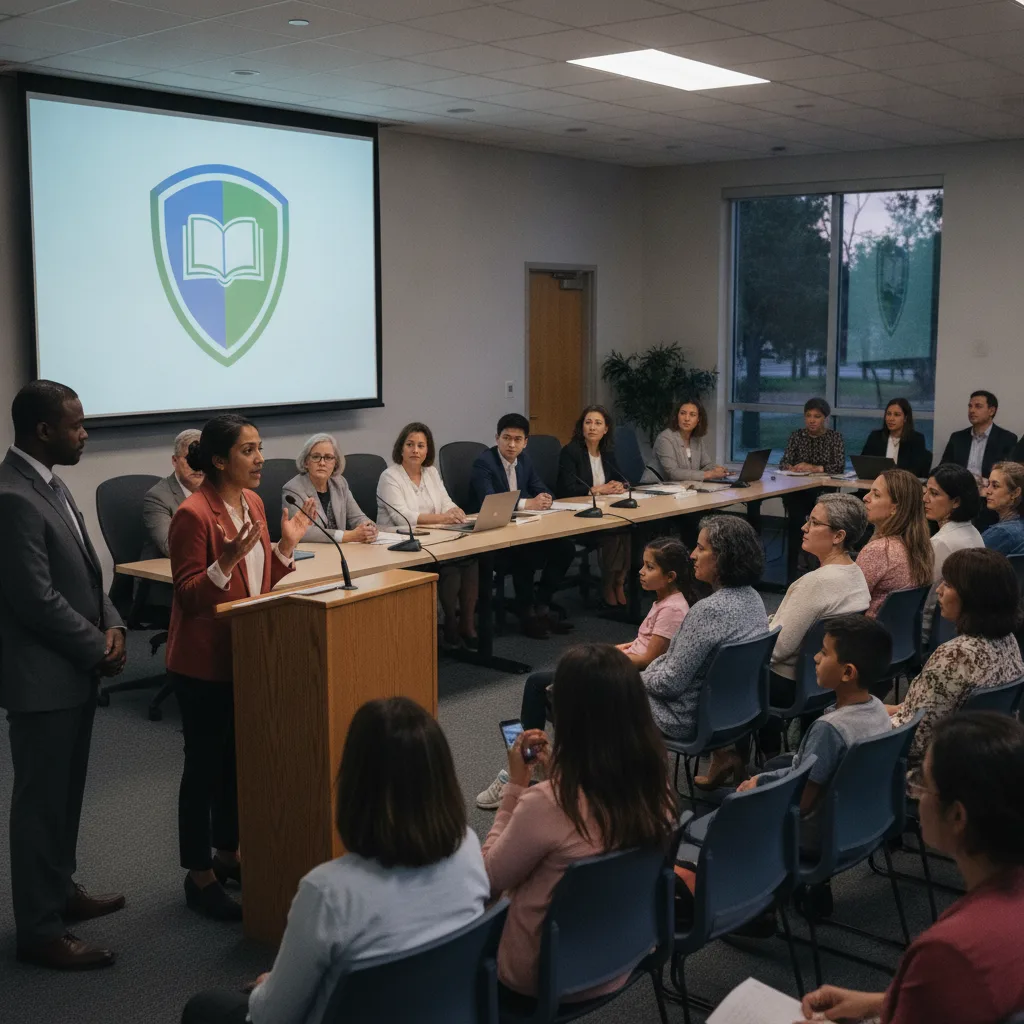
School board meetings serve as crucial public forums where parents can directly engage with local education leaders to advocate for stronger student data privacy policies and review the use of ed-tech tools. (AI-generated illustration)
You might also like:
👉 Youth & AI: The Global Risks in Apps & Social Media