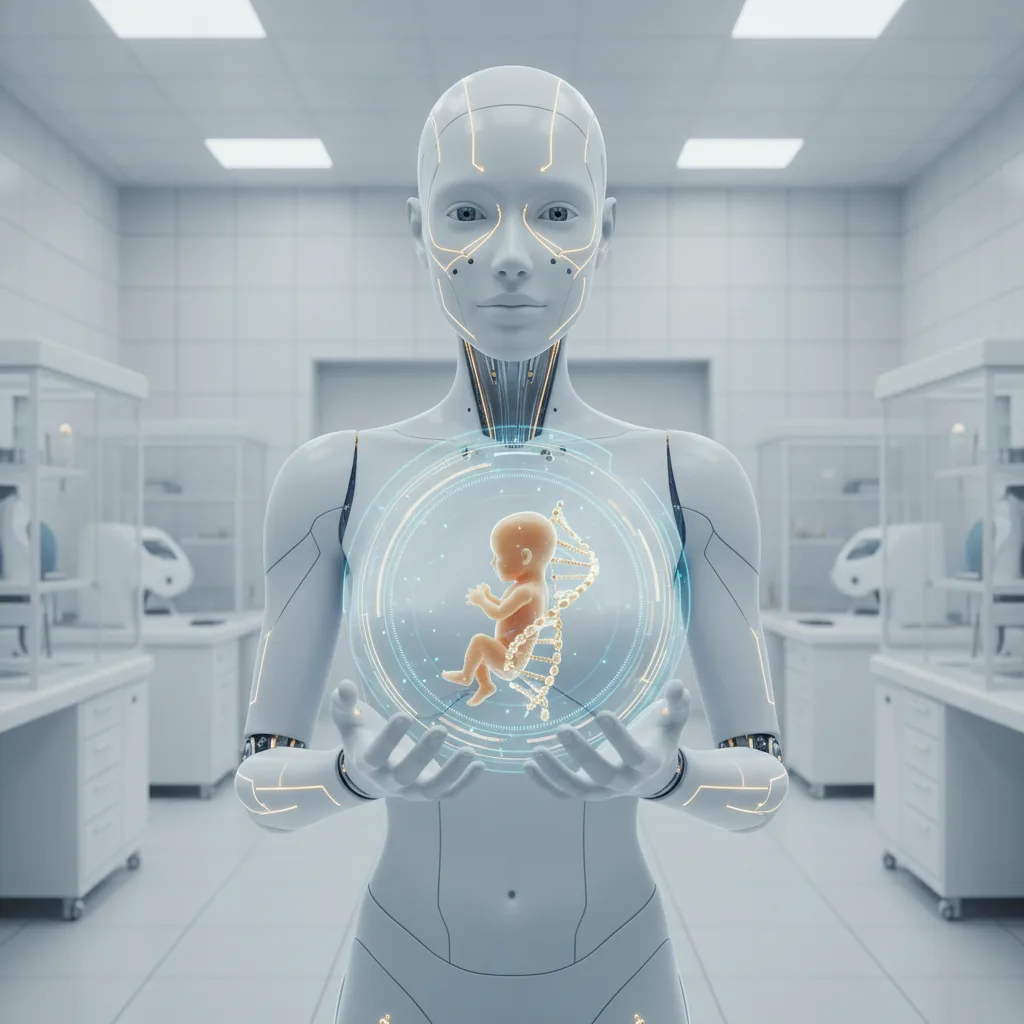
AI's Next Frontier: Designer Babies in US, UK, China Labs?
The birth of Louise Brown in 1978 revolutionized reproduction. Now, AI is driving new developments in labs across the US, UK, China, and Australia.
AI and human reproduction: new developments
The world changed on July 25, 1978. In Oldham, UK, Lesley Brown gave birth to Louise Brown. She was the first “test-tube baby.” This IVF birth changed previous limits on human reproduction. It offered hope to aspiring parents everywhere.
Artificial intelligence (AI) is now transforming human reproduction. This time, AI is a main driver. Labs in the US, UK, China, and Australia are advancing these changes. These advancements challenge our understanding of parenthood.
The use of AI in reproduction means AI helps human reproduction. AI does not have babies itself. This is a common misunderstanding. Instead, AI helps select embryos and screens genes. It also covers ideas like digital companions. This trend excites some. It also raises serious ethical questions among scientists, bioethicists, and prospective parents.
AI enters the fertility clinic
By the early 2000s, fertility clinics worldwide had a problem. They had to pick the best embryos from many options. For decades, embryologists checked embryos by hand. It was subjective and took a lot of work.
In 2017, a team at the University of Oxford, led by Dr. Alison Murdoch, tried something new. They built a machine learning program. This AI system watched time-lapse videos of embryos growing. It tried to guess which embryos would lead to a baby.
The AI, named “IVY,” worked well. It could spot good embryos better than humans could. This development gave hope to IVF couples. It made a key step easier.
This started AI’s role in sensitive biology. It showed AI could improve medical procedures. This success opened the door for more advanced uses in fertility science.
AI and genetic selection
The Human Genome Project, finished in 2003, gave us the full human genetic sequence. It began a time of great genetic discovery. Scientists could now map the human genetic code.
Today, clinics like Genomic Prediction in New Jersey use AI to check huge amounts of genetic data. Founded by Dr. Stephen Hsu, this company screens embryos for thousands of genetic diseases. These include cystic fibrosis and early-onset Alzheimer’s.
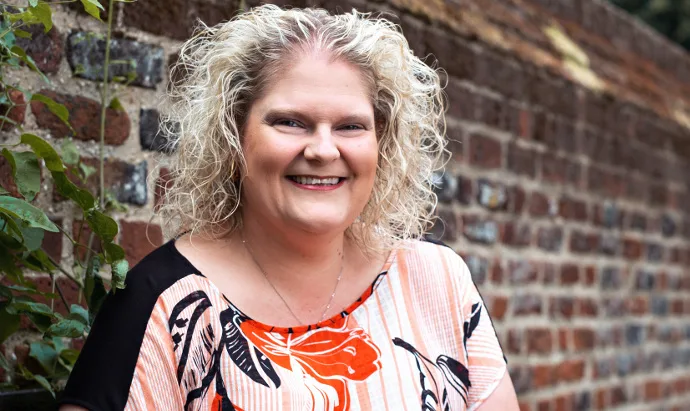
Louise Brown, born in Oldham, UK, on July 25, 1978, was the world's first 'test-tube baby' conceived through in vitro fertilization (IVF). Her birth marked a pivotal moment in human reproductive history, opening new possibilities for aspiring parents globally. (Source: bournhall.co.uk)
In 2019, Genomic Prediction launched its “LifeView” test. It checks an embryo’s genetic risk for complex diseases. This went far beyond screening for single-gene problems. Parents could now choose with more information.
Screening for complex traits, not just diseases, caused strong debate. It gave parents control over their child’s future health. This was previously unimaginable. Critics immediately worried about “designer babies.”
The designer baby debate
In November 2018, Chinese scientist He Jiankui made a shocking announcement. He claimed to have created the world’s first gene-edited babies, Lulu and Nana. The world immediately condemned this news, made at an international summit in Hong Kong.
He Jiankui had used CRISPR gene-editing technology. He wanted to make the twins resistant to HIV. This changed their germline, so the changes could pass to future generations. Scientists were outraged.
Bioethicists like Dr. Julian Savulescu of the University of Oxford raised serious concerns. He warned of a dangerous path if the human germline is changed without clear rules. Such actions, he said, could have unexpected consequences.
The He Jiankui incident showed the dangers of uncontrolled gene editing. It showed an urgent need for global rules and scientific responsibility. It forced the world to address human gene editing.
Beyond biology: digital companions
In 2022, British futurist Catriona Campbell predicted “digital babies.” She thinks parents might prefer AI companions by 2070. Campbell wrote “AI by Design: A Plan for Living with Artificial Intelligence.”
Campbell described these as very real digital avatars. They would live in the metaverse. These AI companions could learn, grow, and talk with their “parents.” They’d give emotional connection without the usual parenting burdens.
Companies like Replika already offer AI companions for emotional support. These systems suggest more advanced virtual relationships. The idea challenges what we call family and children.
This trend suggests digital beings could fulfill parental desires. It raises important questions about human connection, identity, and the future of biological reproduction. Society needs to think about this carefully.
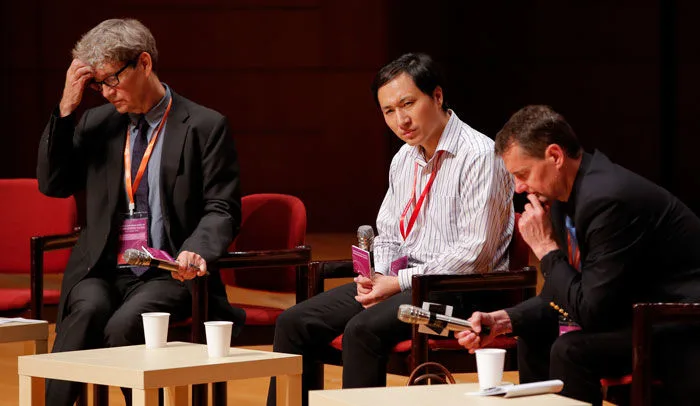
Chinese scientist He Jiankui made a shocking announcement at an international summit in Hong Kong in November 2018, claiming to have created the world's first gene-edited babies, Lulu and Nana, using CRISPR technology. (Source: science.org)
Regulation and responsibility
As of 2023, no single international rulebook exists for reproductive AI or gene editing. Rules vary wildly by country. This makes a complex global situation.
The UK’s Human Fertilisation and Embryology Authority (HFEA) strictly oversees IVF. It allows certain genetic screenings but clearly bans heritable gene editing. This sets clear boundaries.
The United States, in contrast, has more scattered rules. Ethical rules often come from medical groups. They aren’t always federal law. This creates problems.
This mix of rules leads to “fertility tourism.” People travel to countries with more permissive laws. This makes it hard to agree on global ethics. Technology moves faster than laws can keep up.
These developments present many unanswered ethical and societal questions. Society faces a fundamental choice. It must decide how to balance new ideas with responsibility.
Frequently asked questions
What is an “AI baby” in this context? It means using AI to help human reproduction. This includes selecting embryos, guessing genetic risks, or making digital companions that act like children. AI isn’t physically having babies.
Is it possible to “design” a baby with specific traits? Current technology allows screening embryos to pick traits, mainly to avoid genetic diseases. Gene editing for specific enhancements is mostly banned in humans because of ethics and safety.
What are the main ethical concerns? Main concerns include genetic discrimination, worsening social gaps, and unknown long-term effects of changing the human germline. Also, what counts as a person or a family?
How is this technology regulated? Rules vary a lot worldwide. Some countries have strict laws banning certain gene changes. Others have looser rules. No global agreement or single regulatory body exists.
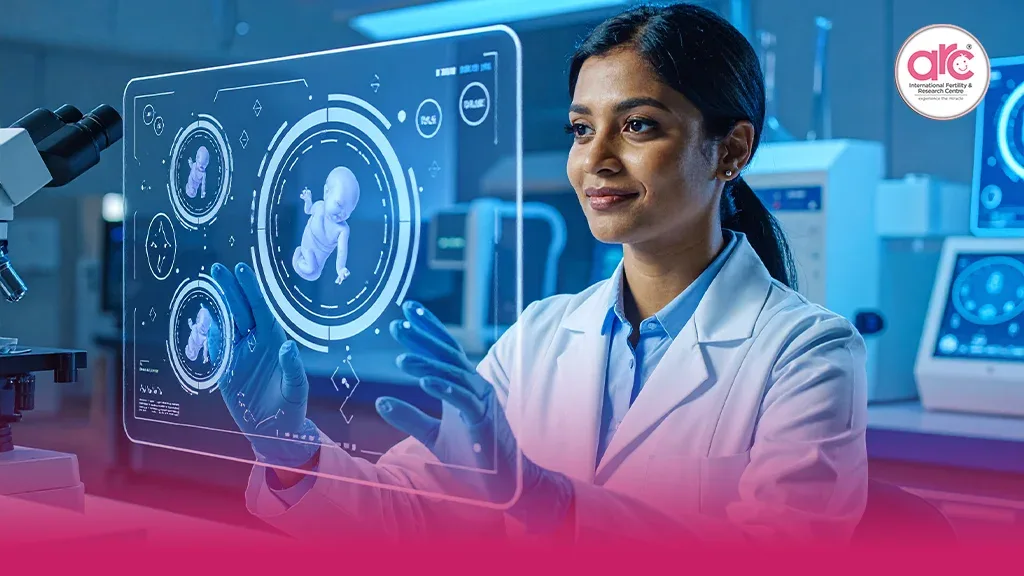
In modern fertility clinics, artificial intelligence is increasingly used to assist embryologists in selecting the most viable embryos for implantation, analyzing complex data from images to predict developmental potential and genetic health. (Source: arcivf.com)
You might also like:
👉 Youth & AI: The Global Risks in Apps & Social Media
👉 GSA: US Public Sector AI Use Jumped 30% in 2022
👉 Unexplained Mysteries of Science: Cosmos, Quantum & Beyond