Why $1.11 Trillion E-commerce Crushes 'Experiential Retail'
Experiential retail promises to save brick-and-mortar, but shallow attempts fail. E-commerce hit $1.11 trillion in 2023, showing the real challenge.
Experiential Retail: The Empty Promise of “More Than Just Shopping”
Experiential retail is the industry’s latest solution. Many declare it the answer for struggling brick-and-mortar stores. But this common belief often misses important details. Simply adding a coffee bar or an art installation rarely guarantees success. Such shallow attempts usually fail to deliver on their promise.
E-commerce sales in the U.S. hit $1.11 trillion in 2023. This was up 7.6% from the year before, reports the U.S. Department of Commerce. This steady digital growth keeps challenging physical retail spaces in North America and Europe. Retailers needed a new plan. Experiential retail became a popular answer.
The idea suggests stores should offer activities, events, or deep environments. These go beyond just selling products. This includes cooking classes at a kitchen supply store. It also includes rock-climbing walls at an outdoor gear shop. The goal is to draw customers into physical locations. Retailers hope these experiences build brand loyalty. They also want to provide something e-commerce cannot easily copy.
Consumers, especially younger people, increasingly value experiences more than possessions. A 2023 Deloitte study found that 61% of Gen Z consumers prefer to spend money on experiences. They do not prefer material goods. This spending shift caused many stores to adopt experiential plans. Brands aimed to use desires for connection, entertainment, and discovery. But many efforts miss the mark. These efforts vary greatly in how well they work.
What the data says about store interaction
Many believe any “experience” will increase store visits and sales. This is only partly true. Data shows that only meaningful customer interaction leads to good results. A 2023 PwC report indicated that 73% of consumers say a good experience influences their buying choices. Yet, “good experience” isn’t defined the same way by everyone.
Early successes helped shape this trend. Apple Stores, launched in 2001, offered the Genius Bar for tech support and workshops. This gave customers a useful, problem-solving experience. Lululemon, which started in 1998, built community by hosting free yoga classes and running clubs in its stores. These were not just fun activities. They offered real usefulness and created a sense of belonging.
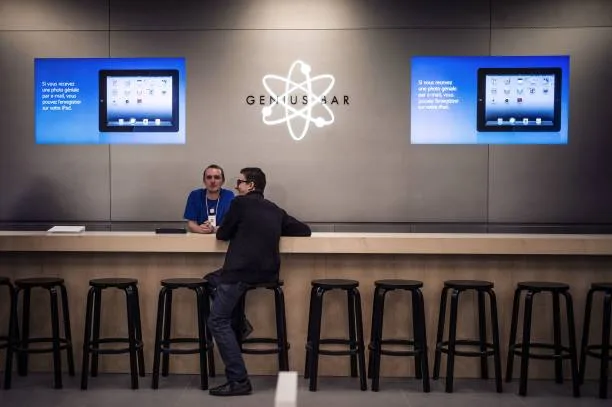
The Genius Bar, launched in Apple Stores in 2001, revolutionized retail by offering personalized tech support and workshops. This innovative service provided customers with a useful, problem-solving experience, becoming a cornerstone of successful experiential retail. (Source: gettyimages.com)
Many retailers have since misunderstood these examples. They focused on “Instagrammable moments” that lacked real purpose. A pop-up shop with a flashy photo booth, for instance, might create social media buzz. But it rarely builds lasting customer relationships or product sales. CBRE’s 2023 Retail Trends report highlights this problem. Retailers are spending a lot of money on store renovations. Many of these renovations put looks over real customer benefit.
For example, a luxury brand launched a temporary “art installation” in its main New York City store in 2022. It attracted influencers who came to take photos. Store employees reported little effect on product interest or sales. The experience looked good. But it had no clear link to the brand’s products. It became an expensive backdrop.
More than just a photo op
Many people think “experiential” just means “entertaining.” This idea is wrong. True experiential retail offers usefulness, education, or deep brand understanding. Entertainment alone rarely makes up for the operating costs. Customers expect more than just a pretty space.
Samsung 837 in New York City is a clear example of effective brand understanding. Opened in 2016, it works as a digital playground and cultural center. Visitors do not buy products there. They test Samsung devices, attend workshops, or enjoy concerts in its amphitheater. The goal is brand connection and education. A 2023 analysis by Retail Dive noted that this plan builds long-term brand loyalty. It also creates informed customers. These customers later buy Samsung products elsewhere.
Compare this with many brand-sponsored “experiences.” These are just quick photo opportunities. A fast-fashion retailer hosted a “glitter bar” pop-up in London in 2021. It created social media posts. But it did not greatly increase store visits or sales after its newness faded. This type of experience is easily forgotten. It does not build lasting connections.
The difference is in the purpose. Effective experiential retail has a clear goal for both the brand and the customer. Does it solve a problem, teach a skill, or allow deep interaction with the product? If not, it might become an expensive gimmick. Brands like REI offer classes on outdoor survival or bike upkeep. These directly help with product use. They also make REI known as an expert in outdoor recreation.
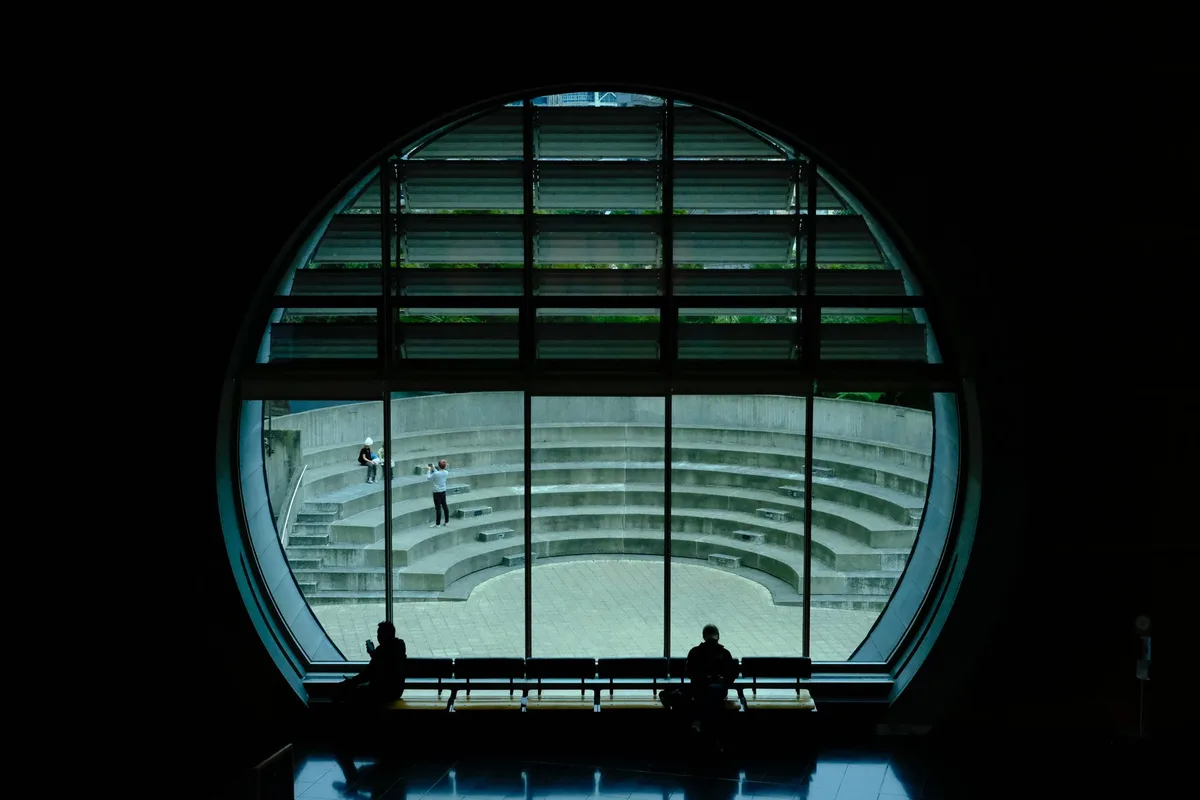
Opened in 2016, Samsung 837 in New York City serves as a prime example of effective experiential retail. Visitors explore new technologies, attend workshops, and enjoy cultural events in its unique amphitheater, fostering deep brand connection without direct product sales. (Photo: iris zhao, Pexels)
The cost of an experience
Many think any experience is a good investment, no matter the cost. But this ignores how much money it brings back. Many experiential projects cost a lot to set up and keep going. They require special staff, unique store designs, and continuous programs. Without clear sales measurements, these costs can quickly be more than the benefits.
A 2022 report from the National Retail Federation (NRF) showed more spending on physical retail stores. These investments often aim for “experience improvements.” The report also warned that many retailers struggle to measure the direct effect on sales. They instead use softer measurements like “brand perception.” This makes it hard to justify budgets.
Consider Restoration Hardware’s galleries. These large stores, like the one in Dallas, opened in 2019. They have multi-level showrooms with cafes and wine bars. They look more like luxury homes than typical furniture stores. This plan aims to create a desired lifestyle experience. It works well for RH. But copying this model costs a huge amount of money. Smaller retailers simply cannot afford it.
Many smaller brands have tried similar “lifestyle” experiences with less money. A local boutique in Austin, Texas, added a small coffee bar and seating area in 2022. The owner reported that customers stayed longer. But coffee sales barely covered the barista’s pay. Product sales saw no clear increase. The “experience” became an expensive extra. It did not help sales.
The best experiential plans fit smoothly into the shopping process. They improve the product or service. They do not distract from it. They also need to be able to grow. They must match the brand’s main products. Without this match, the financial cost can be very high.
A new path for retail
Physical stores are changing. They are blending online and offline shopping. They use data to make customer interactions personal. Retailers are moving past common products. They are creating custom interactions that truly connect with people. This needs complex planning, not just creative talent.
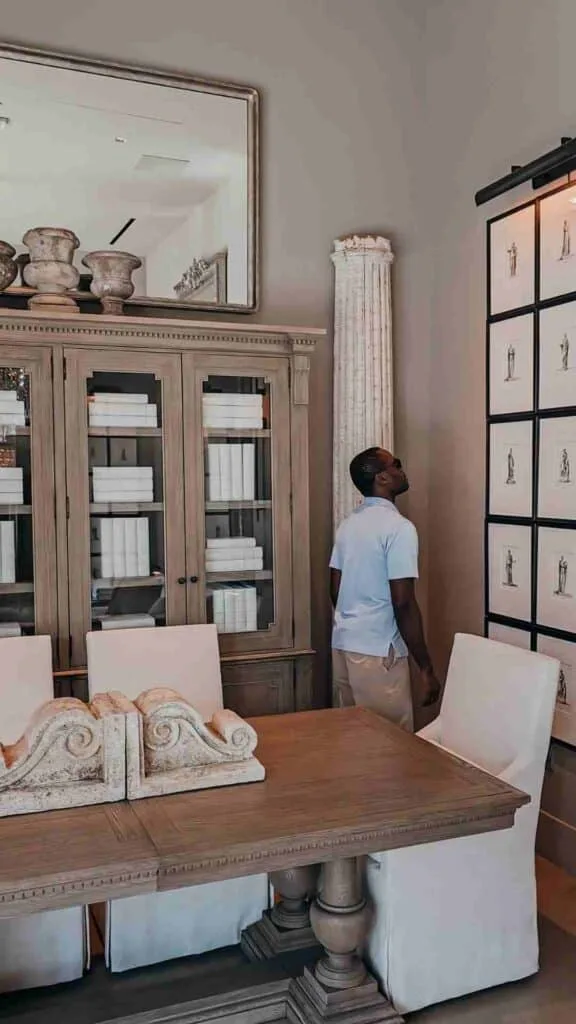
The Restoration Hardware gallery in Dallas, opened in 2019, exemplifies high-end experiential retail with its multi-level showrooms, cafes, and wine bars designed to evoke a luxury home rather than a traditional furniture store. (Source: afrostylicity.com)
Nike’s Nike Rise concept stores show this blending. They first opened in Guangzhou, China in 2020. These stores use data from the Nike app to make the in-store experience personal. Digital screens show custom product suggestions. These are based on a customer’s past purchases and fitness goals. This very personal service greatly changes the store visit. It makes it useful and quick.
IKEA’s method also shows this change. They’ve opened smaller Planning Studios in cities like New York City, starting in 2019. These studios do not keep furniture. Instead, customers meet with IKEA specialists to design kitchens or storage options. It’s a very useful, problem-solving experience. It uses IKEA’s knowledge without needing huge store space. These studios lead to sales at larger warehouses.
Another successful example is Camp, a “family experience store.” It launched in New York City in 2018. Camp stores have changing themes, interactive play areas, and selected products. Kids can play, discover, and then buy toys or clothes related to the theme. It’s a real experience that directly helps product sales. It creates lasting memories for families.
These successful examples share common features. They put customer needs first. They blend technology carefully. They also clearly state their purpose beyond just entertainment. They show that planned experiential retail can do well. This is true when it’s supported by data and clear goals. It’s not about simply offering “more.” It’s about offering the right thing.
FAQs
What defines effective experiential retail? Effective experiential retail offers usefulness, education, or deep brand understanding. It connects directly to the brand’s products or services. It aims to solve a customer problem or improve their understanding.
How do retailers measure the return on investment (ROI) of experiential stores? Measuring return on investment (ROI) involves tracking different data points. These include more store visits, time customers spend inside, sales rates, and repeat visits. Brands also look at online sales that come from in-store interactions.
Is experiential retail only for large brands? No, but smaller brands must plan more carefully. They should focus on low-cost, real experiences. These experiences must closely match their main products. They should not try to copy big entertainment.
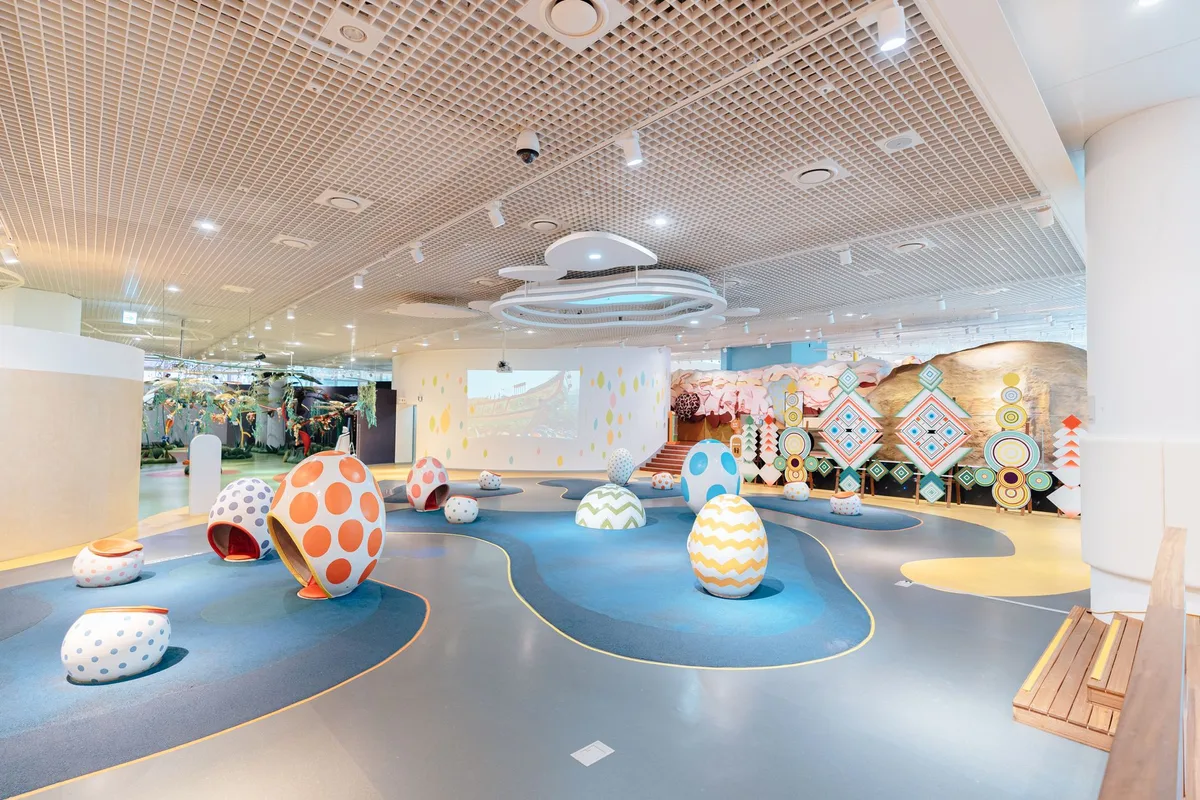
Camp stores, launched in New York City in 2018, redefine family retail with changing themes and interactive play areas where kids can discover and buy themed toys and clothes, creating lasting memories for families. (Photo: Asia Culture Center, Pexels)
What is the biggest mistake retailers make with experiential plans? The biggest mistake is creating shallow experiences. These often work only as photo opportunities. They lack real value or connection to the brand’s goal. They fail to cause lasting customer interest or sales.
The future of physical stores: purposeful, not just pretty
Physical stores are not outdated. Their role is simply changing. The retail industry is moving away from simple transactions. It is embracing interactions with a clear purpose. This future needs careful thought. It also needs a clear understanding of customer needs.
Retailers must look past the appeal of flashy, but empty, experiences. They must focus on creating useful interactions. These interactions should build loyalty. They should also cause clear results. The next wave of successful physical retail will be very personal. It will be based on data. It will offer real usefulness. It won’t just be “more than shopping.” It will be smarter shopping.
You might also like:
👉 Zuckerberg’s 2021 Meta: Why Your Virtual Self Isn’t Free
👉 Virtual Reality Applications: Exploring VR’s Impact Across Industries