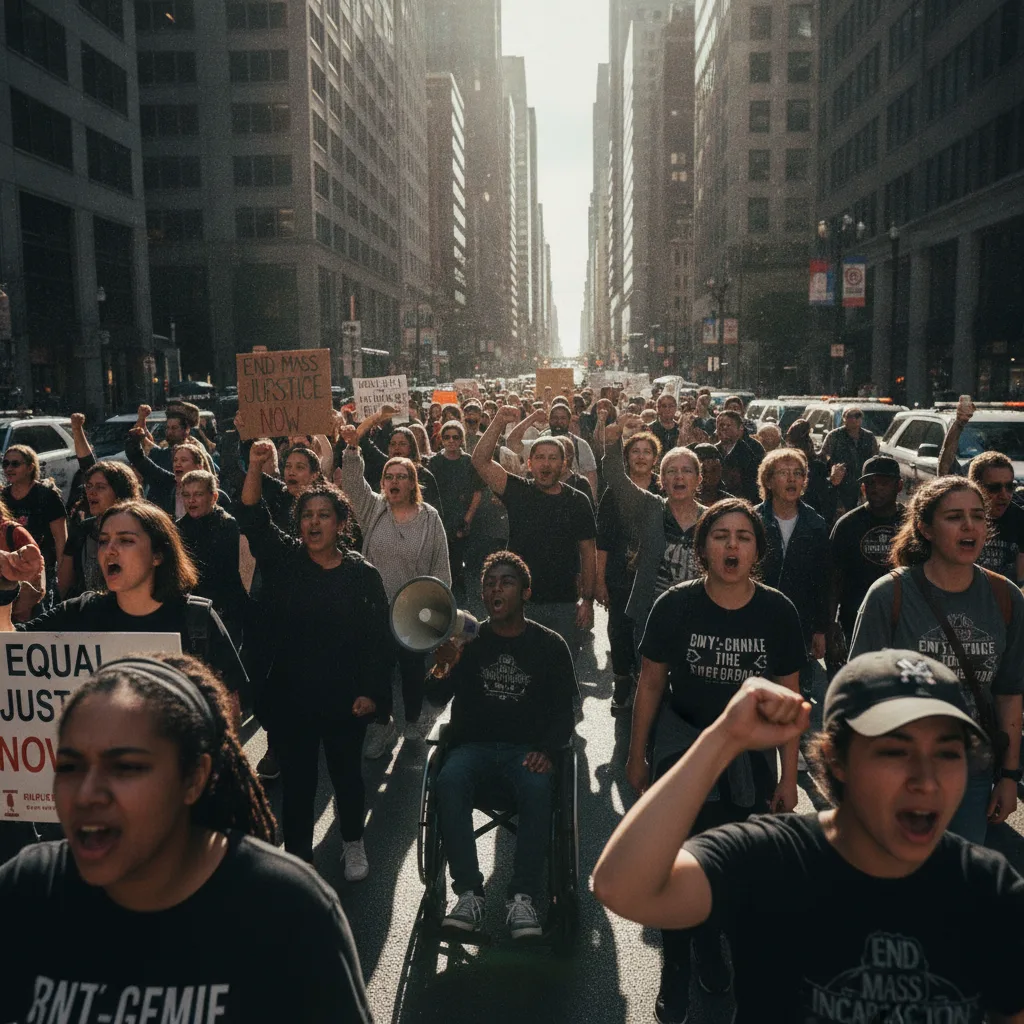
How 100s of Social Movements Reshape Justice Laws
Criminal justice reform isn't just top-down; it's often driven by organized, long-term social movements, a powerful, unseen force.
Reshaping the rules: how social movements transform criminal justice
Most people think criminal justice reform happens in courtrooms or legislative chambers. They imagine politicians debating bills. Or judges making landmark rulings. You might assume change trickles down from the top.
But a powerful, persistent force often goes unnoticed: social movements. These are not just protests. They are organized, long-term efforts by groups of people. They challenge and change the laws, policies, and practices of the entire criminal justice system. Think of them like the engine driving the car, not just the steering wheel.
A criminal justice social movement is a group effort. It aims to change how society defines crime, punishes offenders, and supports victims. These movements often grow from deep feelings of unfairness. They bring issues into public discussion that leaders might otherwise ignore.
These movements do not just appear suddenly. They emerge from specific societal conditions. Unfairness in the justice system often becomes too obvious to ignore. In the United States, these efforts frequently address racial differences, harsh sentences, and poor prison conditions. They also speak up for victims’ needs.
The hidden drivers of change
Criminal justice is a vast system of laws, courts, police, and prisons. This system affects millions of lives each year in the United States alone. For decades, it has been examined closely for problems like racial bias, excessive force, and mass incarceration.
Important policy changes almost always follow strong public pressure. This pressure comes from people directly affected by the system. It also comes from allies who demand accountability and fairness. These movements shape public opinion. They also create the political will needed for real change.
Take the Civil Rights Movement of the mid-20th century. It was not explicitly a criminal justice movement. But its fight against segregation challenged unfair policing and sentencing. Its work questioned the existing legal order. For example, the NAACP Legal Defense and Educational Fund fought many court cases against racial discrimination.
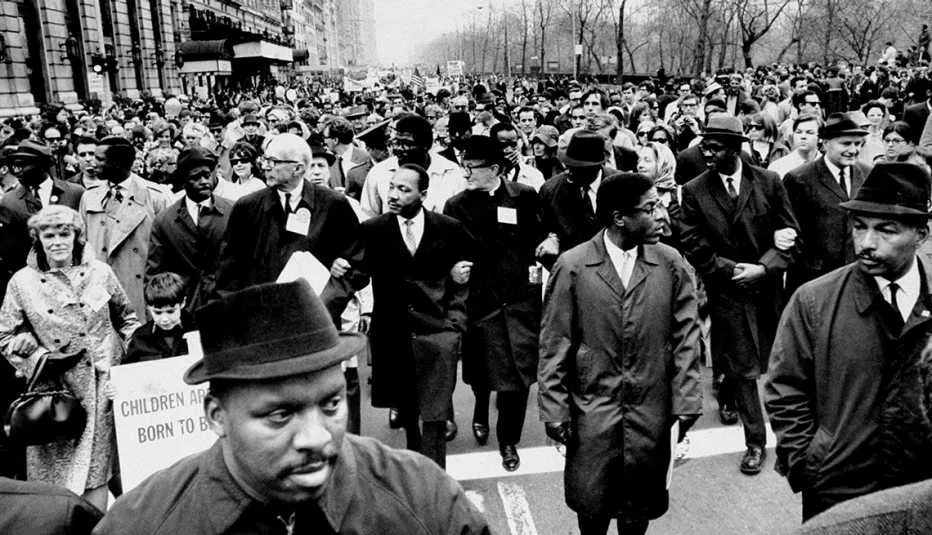
Though not explicitly a criminal justice movement, the Civil Rights Movement profoundly challenged unfair policing and sentencing, laying groundwork for future reforms. Its fight against segregation questioned the very legal order of the mid-20th century United States. (Source: aarp.org)
These movements offer a different story than official government statements or media reports. They highlight real-life experiences. They push for a justice system that is fairer and more humane for everyone.
Early battles: civil rights and prison rights
The 1960s saw intense activism across the United States. The Civil Rights Movement directly confronted the legal system. This system upheld racial inequality. Activists protested discriminatory laws and practices. They often faced violent police responses.
Groups like the Student Nonviolent Coordinating Committee (SNCC) organized sit-ins and freedom rides. These actions brought national attention to police brutality and unfair arrests. Their efforts showed how law enforcement was used to keep racial hierarchies in place. The NAACP mounted legal challenges during this period. These challenges aimed to end segregation in all public institutions, including courts and prisons.
By the late 1960s and early 1970s, a distinct Prisoner Rights Movement grew. Inmates, often inspired by civil rights struggles, began demanding basic human rights and better living conditions. The Attica Prison Uprising in September 1971 is a clear example.
At Attica Correctional Facility in upstate New York, over 1,000 prisoners took control of parts of the prison. They demanded improved conditions, religious freedom, and an end to racist abuse. The uprising ended violently. State troopers stormed the prison, killing 29 inmates and 10 hostages. Despite the tragic outcome, Attica sparked wider talks about prisoner dignity. It also led to legal reforms. Organizations like The Fortune Society, founded by formerly incarcerated individuals in 1967, emerged to advocate for prisoners’ rights and support their return to society.
These early movements set important examples. They showed that those most affected by the system could organize effectively. They could demand change. They pushed the limits of what was considered acceptable treatment inside correctional facilities.
Shifting tides: victims’ rights and the carceral state
The late 1970s and 1980s saw the rise of a new force: the Victims’ Rights Movement. This movement grew from a feeling that crime victims were ignored within the justice system. Victims often felt pushed aside and unheard. Their needs were secondary to punishing offenders.
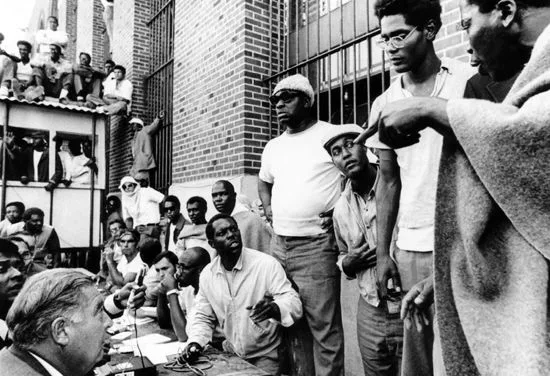
The Attica Prison Uprising in September 1971 saw over 1,000 prisoners take control of parts of the prison, demanding improved conditions and an end to racist abuse. The violent state-led recapture resulted in the deaths of 29 inmates and 10 hostages, sparking wider discussions about prisoner dignity and legal reforms. (Source: britannica.com)
Mothers Against Drunk Driving (MADD) is a powerful example. Candy Lightner founded MADD in 1980 after her daughter was killed by a drunk driver. MADD successfully pushed for tougher drunk driving laws across the United States. They asked for increased penalties, mandatory sentencing, and more victim involvement in legal proceedings. This movement brought victims’ experiences to the forefront of criminal justice policy.
The President’s Task Force on Victims of Crime, established in 1982 by President Reagan and chaired by Lois Herrington, confirmed these demands. Its recommendations led to big changes. These included victim compensation funds, victim impact statements in court, and greater protection for victims during trials. These reforms aimed to restore victims’ respect and control.
While promoting victims’ rights, the movement happened at the same time as the growing “tough on crime” era. This period focused on punishment and longer sentences. Policies like “three strikes” laws and mandatory minimum sentences became common. These policies greatly increased mass incarceration. This term describes the huge increase in the number of people in prison in the United States since the 1970s. Scholar Michelle Alexander details this in her book The New Jim Crow. She argues that mass incarceration acts as a system of racial control.
Think of it like a pendulum. The push for victims’ rights was essential. But it swung the system towards more punitive responses. This unintentionally helped expand the “carceral state.” This refers to the vast, linked system of policing, courts, and prisons that manages social control.
The new millennium: abolition and Black Lives Matter
Mass incarceration rates rose sharply in the 1990s. This led to a more radical idea for justice: prison abolition. This movement gained support in the late 1990s and early 2000s. It argues that prisons are harmful and do not work. It seeks to break down the entire prison system. This is not just about opening prison doors. It is about moving resources from punishment to community-based solutions. These solutions include education, housing, and mental health services.
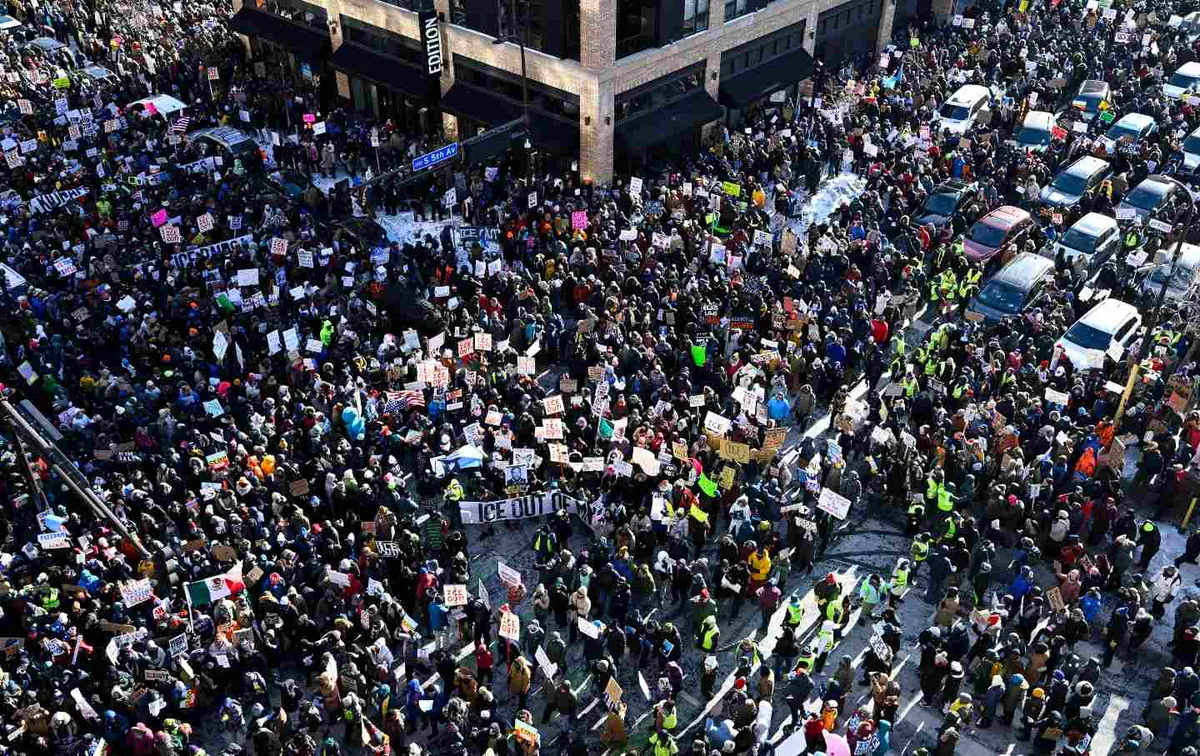
The prison abolition movement, gaining support in the late 1990s and early 2000s, advocates for dismantling the entire prison system. Activists argue that prisons are harmful and ineffective, proposing community-based solutions like education, housing, and mental health services instead of punishment. (Source: thenation.com)
Critical Resistance, an organization founded in 1997, is a leading voice in this movement. Its members, including influential scholars like Angela Davis and Ruth Wilson Gilmore, argue that prisons keep systemic unfairness and racial injustice going. They want a society where community care, not punishment, addresses social problems. They envision a world without prisons.
In 2013, a powerful new movement appeared: Black Lives Matter (BLM). Alicia Garza, Patrisse Cullors, and Opal Tometi co-founded the movement. This followed the acquittal of George Zimmerman in the shooting death of Trayvon Martin. BLM quickly became known worldwide. It specifically brought attention to racial profiling, police brutality, and the disproportionate killing of Black people by law enforcement.
BLM campaigns brought new attention to police violence. They used social media to organize and spread calls for justice. The movement demanded accountability for officers. It also pushed for system changes like reducing police militarization, ending qualified immunity, and investing more in Black communities. BLM protests, especially after the 2020 murder of George Floyd, led to widespread calls for police reform. They also pushed for new ways to think about public safety. These efforts led many cities and states to consider new approaches to policing and community safety.
Looking ahead: the future of justice movements
Despite recent reforms, the U.S. still has the highest incarceration rate globally. Racial differences remain within the justice system. High rates of re-offending are a major challenge. The ongoing opioid crisis also continues to affect arrests and sentencing.
The work of criminal justice social movements is far from over. Today, these movements are changing. They are adopting new strategies and wider goals. Efforts to reduce prison populations are a growing focus. These aim to lower prison numbers by diverting non-violent offenders, changing bail systems, and promoting alternatives to incarceration. Many cities are trying new things. They are sending mental health professionals, not police, to certain emergency calls.
Another key area is restorative justice. This approach focuses on fixing the harm caused by crime. It involves victims, offenders, and communities in a discussion-based process. The goal is to address needs, help healing, and prevent future harm. It does not solely rely on punishment. This approach is gaining support in schools and communities as an alternative to traditional discipline.

A restorative justice circle brings together victims, offenders, and community members in a facilitated discussion to address harm, promote healing, and prevent future offenses, offering a community-focused alternative to traditional punitive measures. (Source: gettyimages.com)
Digital activism plays a huge role. Social media platforms allow quick organizing, information sharing, and public awareness campaigns. Data-driven advocacy also helps movements. Researchers and activists use statistics to show unfairness and suggest solutions based on evidence. These movements are also more interconnected. They link criminal justice issues with concerns about housing, healthcare, education, and economic fairness.
Justice is not a fixed idea. It is a fight, shaped by people who refuse to accept things as they are. Their persistent efforts will keep pushing for a fairer, more humane, and more effective system for generations to come.
FAQ
Q: What is the “carceral state”? A: The “carceral state” refers to the entire network of institutions and practices for social control and punishment. This includes police, courts, prisons, jails, parole, and probation. It also encompasses the cultural ideas that normalize punishment and surveillance.
Q: What is “restorative justice”? A: Restorative justice is an approach to justice that focuses on repairing harm caused by crime. It involves victims, offenders, and community members. They meet to discuss the crime’s impact and collectively decide how to make things right.
Q: How do criminal justice social movements differ from lobbying groups? A: Social movements are typically grassroots, broad efforts. They’re driven by shared moral or political concerns, often involving public protests and direct action. Lobbying groups generally focus on influencing legislation through direct advocacy with lawmakers, often with more specific policy goals and institutional access.
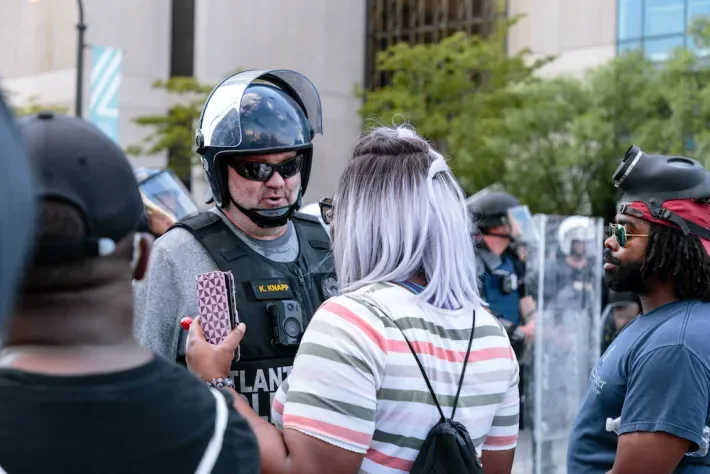
Digital activism has become a pivotal tool for criminal justice social movements, enabling rapid organization, information dissemination, and public awareness campaigns that transcend geographical boundaries. (Source: freedomhouse.org)
You might also like:
👉 Midterms: How 435 House Seats Shape US Power Every 2 Years