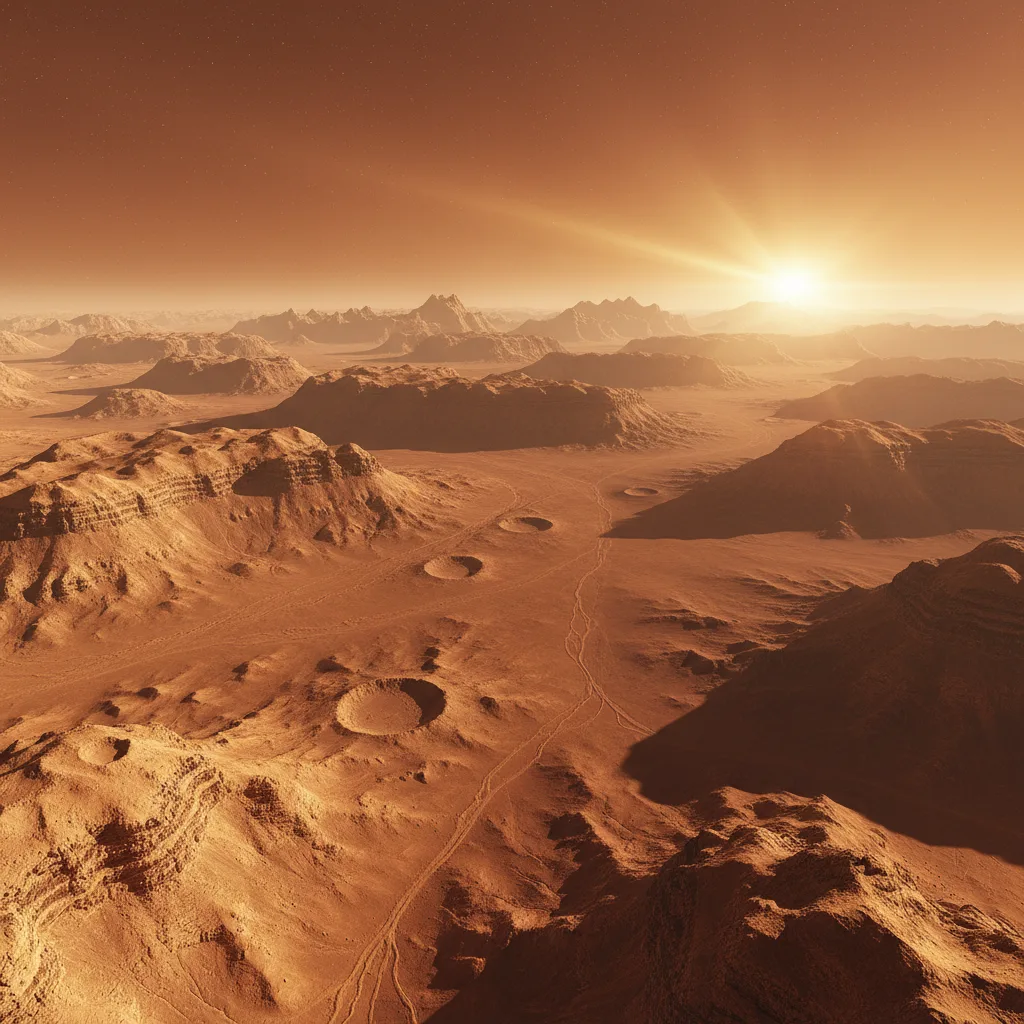
Why NASA Calls Radiation a 'Major Problem' for Mars Travel
The journey to Mars is fraught with peril. Constant space radiation raises cancer risks and causes permanent CNS damage, a major problem for astronauts.
Sending humans to Mars: the serious challenges
The journey to Mars is long and dangerous. Astronauts face constant space radiation, a serious threat. This raises cancer risks. It also causes permanent damage to the central nervous system. NASA’s Human Research Program calls radiation a major problem for any deep-space trip. The vast distance to Mars means long exposure. This differs from shorter stays on the International Space Station.
Humanity has sent robots to Mars since 1964. NASA’s Mariner 4 was the first. Orbiters, landers, and rovers have explored the planet since then. Now, agencies like NASA and the European Space Agency (ESA) plan to send humans by the 2030s. Private companies, including SpaceX, also plan human missions. These trips mean at least two years away from Earth.
Mars orbits 140 million miles from Earth. That distance means a one-way journey of seven to nine months. Travel time depends on where the planets are in their orbits. Crews must work alone for months. Communications with Earth have big time delays.
Radiation and loneliness: serious challenges
Deep space radiation threatens Martian explorers. Galactic Cosmic Rays (GCRs) come from outside our solar system. These high-energy particles constantly hit spacecraft. They punch through shielding. Dr. Frank Cucinotta, a former NASA radiation expert, says GCRs damage DNA and cells. This damage leads to cancer, cataracts, and brain diseases.
Solar Particle Events (SPEs) are another major radiation source. The Sun ejects high-energy protons during solar flares and coronal mass ejections. These events happen without warning. SPEs can deliver lethal radiation doses in hours. Astronauts on the Moon during an SPE would get severe radiation sickness. Earth’s magnetic field and atmosphere protect us from both GCRs and SPEs.
A Mars mission exposes astronauts to far more radiation than on Earth or in low-Earth orbit. Current spacecraft shielding offers little protection against GCRs. These particles are simply too energetic. Dr. Cucinotta says effective GCR shielding would need impractically thick and heavy materials. This weight creates huge launch costs.
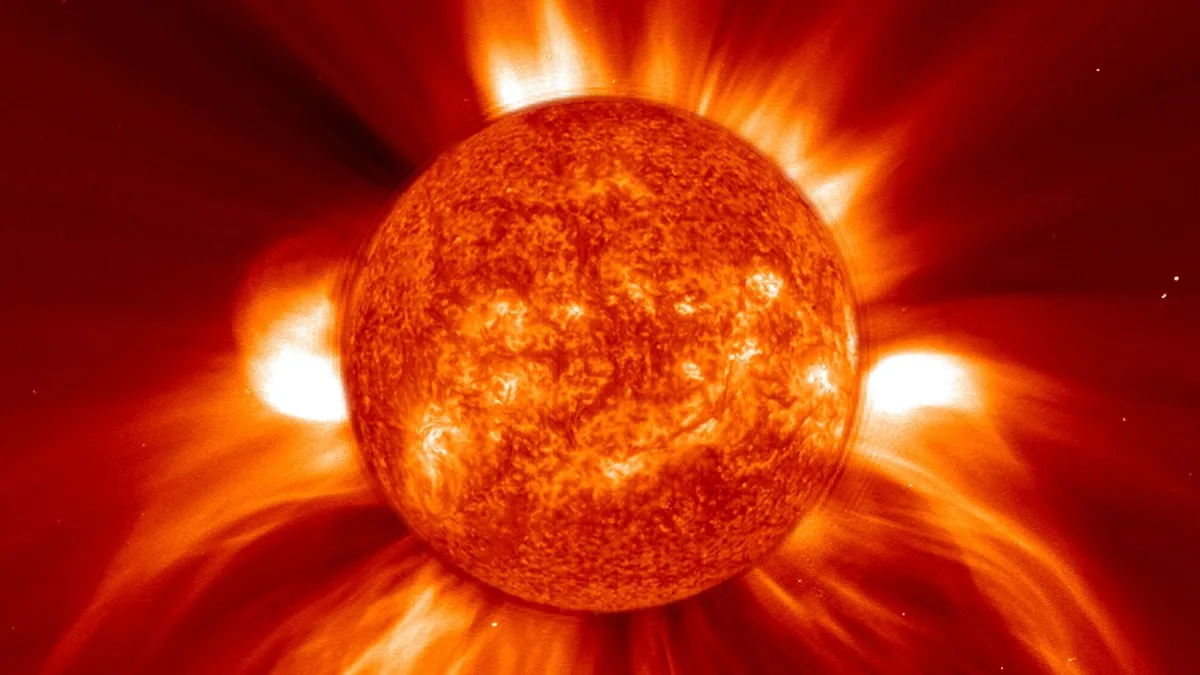
A massive solar flare erupts from the Sun, often accompanied by a Coronal Mass Ejection (CME). These powerful events release high-energy protons that cause Solar Particle Events (SPEs), posing a lethal radiation threat to astronauts on deep-space missions to Mars, far beyond Earth's protective magnetic field. (Source: space.com)
Long-term GCR exposure can hurt brain function. Studies show it can cause memory loss and poorer decisions. Dr. C. Mark Ott, a NASA Human Research Program scientist, points out these brain risks. Astronauts must do complex tasks under pressure. Poor thinking puts the mission and crew safety at risk. Radiation also weakens the immune system, making astronauts sicker.
Long isolation and confinement also challenge mental health. A Mars mission means years away from Earth, family, and everything familiar. Crew members live in cramped spaces with no privacy. Dr. Jack Stuster, a NASA contractor studying behavioral health, says conflicts can get worse. Studies of Antarctic expeditions and submarine crews show similar stresses.
Communication delays with Earth can hit 22 minutes one way. This makes real-time problem solving with ground control impossible. Astronauts must rely on their training and teamwork. This independence creates huge mental stress for the crew. Mental health support and strong crew selection are vital. Even with training, the never-before-seen length and distance remain big problems.
The human body in deep space
Microgravity causes big body changes. Astronauts lose bone density at 1% to 1.5% per month. This is similar to osteoporosis on Earth. Dr. Susan Bailey, a radiation expert at Colorado State University, describes this rapid bone loss. It weakens bones and raises fracture risk.
Muscles also waste away without gravity’s constant pull. Astronauts must do tough daily exercise routines. These exercises are key to keeping muscle mass and strength. Even with exercise, some muscle breakdown happens. Dr. Michael Barratt, a NASA astronaut and physician, notes it is hard to stay in top physical shape. This affects an astronaut’s ability to do strenuous tasks on Mars.
The cardiovascular system changes in microgravity. The heart works less to pump blood. This leads to a weaker heart muscle. Back in gravity, astronauts get orthostatic intolerance. This means dizziness and fainting. This could severely hurt immediate operations upon landing on Mars or Earth.
Spaceflight-Associated Neuro-ocular Syndrome (SANS) affects astronaut vision. Up to 70% of astronauts on long missions get SANS. It involves optic nerve swelling and eyeball flattening. Dr. C. Robert Gibson, a NASA expert, studies SANS causes. We do not fully understand the exact mechanisms. It might relate to fluid shifts in the head.
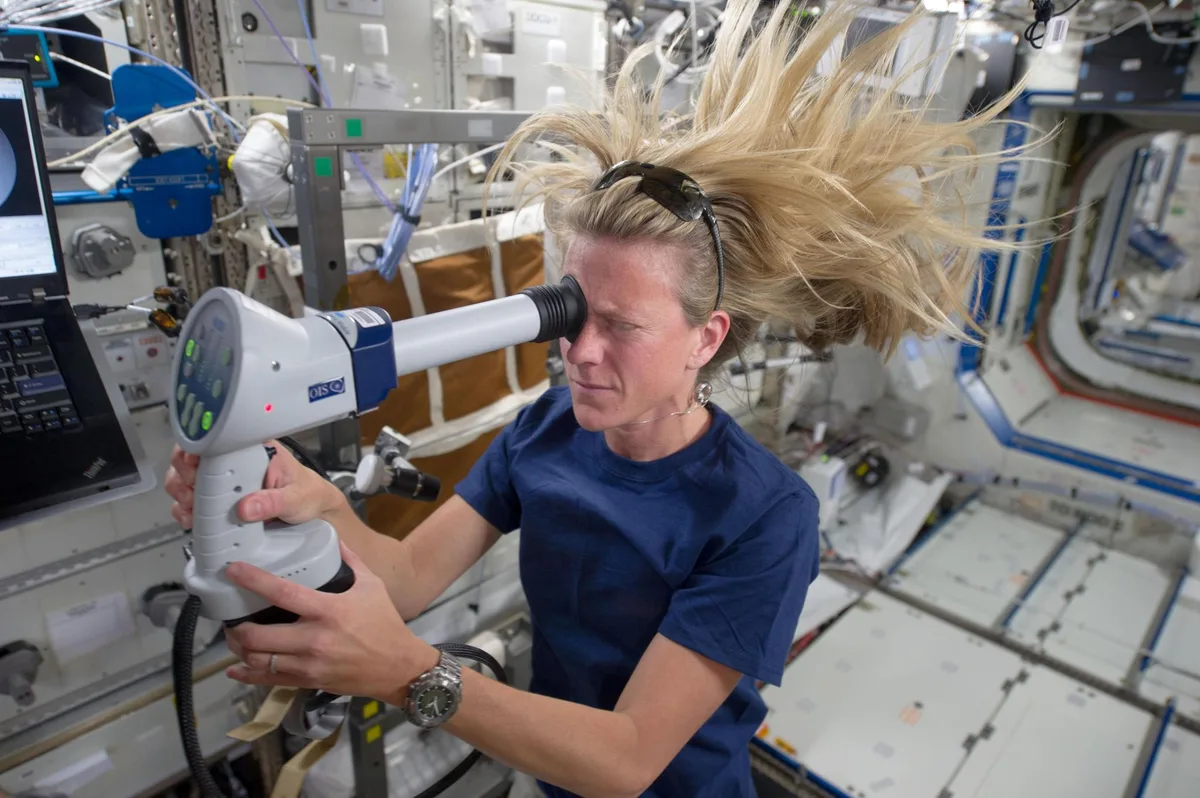
Spaceflight-Associated Neuro-ocular Syndrome (SANS) affects up to 70% of astronauts on long-duration missions, causing optic nerve swelling and eyeball flattening. This condition can lead to persistent vision changes, posing a significant challenge for crew health and mission success on journeys to Mars. (Source: nasa.gov)
These body challenges need strong solutions. Exercise equipment takes up valuable space and power. Nutritional supplements and drugs are being studied. Artificial gravity remains a long-term goal. It would solve many microgravity-induced health issues. Currently, no practical artificial gravity system exists for deep space missions.
Developing good medical care for a Mars mission is vital. Astronauts must train as top medics. They need to carry a full range of medical gear. This includes surgical tools and diagnostic devices. Telemedicine with Earth is limited by communication delays. Onboard medical emergencies demand immediate, solo action.
Building a Martian lifeline
Current chemical rockets are too slow and inefficient for regular Mars travel. A one-way trip takes months. This long time worsens radiation exposure and body breakdown. NASA’s Mars Design Reference Architecture says we need more advanced propulsion. Faster travel times cut mission risks.
Nuclear thermal propulsion offers a possible answer. It uses nuclear fission to heat hydrogen fuel. This creates much faster exhaust than chemical rockets. Such a system could cut travel times by several months. Building and testing nuclear thermal rockets comes with big engineering problems. Safety concerns also need addressing.
Electric propulsion systems, like the Variable Specific Impulse Magnetoplasma Rocket (VASIMR), also look promising. Dr. Franklin Chang Díaz, CEO of Ad Astra Rocket Company, supports VASIMR technology. It uses electromagnetic fields to heat and speed up plasma. VASIMR could greatly cut fuel mass. Yet, it needs a lot of power. It also makes less thrust than chemical rockets. This makes it unsuitable for initial escape from Earth’s gravity.
Landing heavy payloads on Mars is extremely hard. Mars has a very thin atmosphere, about 1% of Earth’s. This air is too thin for good aerodynamic braking. Still, it is thick enough to cause big drag and heat. The “seven minutes of terror” describes the complex automated descent for robotic missions. Human missions need much bigger landers, carrying more mass and volume.
In-Situ Resource Utilization (ISRU) is key for lasting Mars exploration. Making resources on Mars cuts the mass we launch from Earth. This includes oxygen for breathing and rocket fuel. The MOXIE experiment on the Perseverance rover shows this works. Dr. Michael Hecht, MOXIE’s Principal Investigator at MIT, confirmed its success. MOXIE turns Martian carbon dioxide into oxygen.
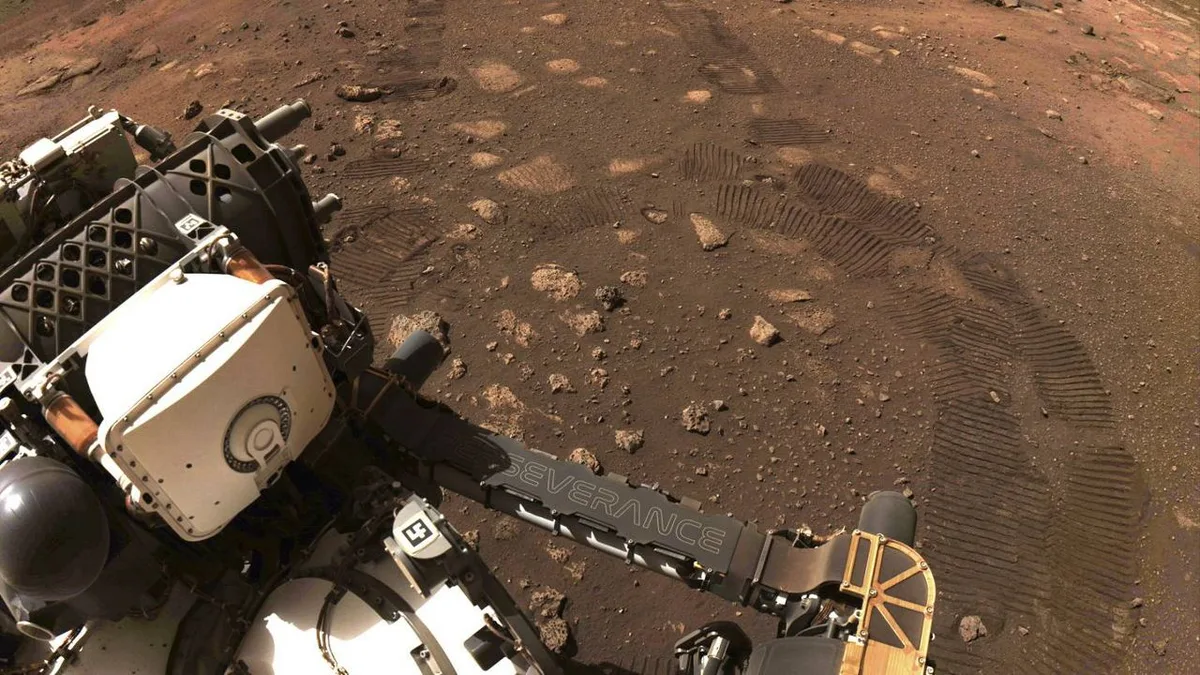
The Mars Oxygen In-Situ Resource Utilization Experiment (MOXIE) on NASA's Perseverance rover successfully demonstrated the ability to convert Martian carbon dioxide into breathable oxygen. This groundbreaking technology is vital for future human missions, enabling the production of rocket fuel and life support directly on Mars. (Source: mynews13.com)
Water ice on Mars is another key resource. We can split it to make hydrogen and oxygen. These components can then become rocket fuel. Building reliable, self-operating ISRU systems for long human missions is a major engineering problem. These systems must work for years in harsh Martian conditions. This includes extreme temperatures and dust storms.
Life support systems for a Mars mission must be almost self-sustaining. Current International Space Station systems rely on Earth resupply. A Mars mission needs closed-loop systems. These systems recycle water, air, and waste with minimal loss. The reliability and long life of such complex systems are most important. If a key part fails, it could be catastrophic.
Mars surface: survival and the trip home
Mars is a harsh place for humans to live. The planet’s average surface temperature is about -63°C (-81°F). Temperatures can swing from -100°C (-148°F) at the poles. They can reach 20°C (68°F) at the equator. This needs strong habitats that can handle huge temperature swings. These habitats must protect astronauts from the elements.
Mars lacks a global magnetic field and a thick atmosphere. This leaves its surface open to high levels of solar and galactic radiation. Astronauts will get much higher radiation doses on the surface than on Earth. Shelters, either inflatable or built from Martian dirt, will be necessary. These shelters must provide good radiation shielding.
Martian dust is a widespread and tough problem. The dust is fine, abrasive, and electrically charged. It sticks to everything. This fouls equipment and habitats. Dr. Bruce Banerdt, Principal Investigator for NASA’s InSight mission, has discussed the dust’s impact. It degrades solar panels, jams mechanisms, and can harm health if inhaled. Global dust storms can cover the planet for months.
Coming home from Mars needs a separate ascent vehicle. This vehicle must be assembled or landed on the Martian surface. Then it needs fuel for the journey back to Earth. ISRU could make propellant for this return trip. This process makes the mission much more complex. It also creates more chances for things to go wrong.
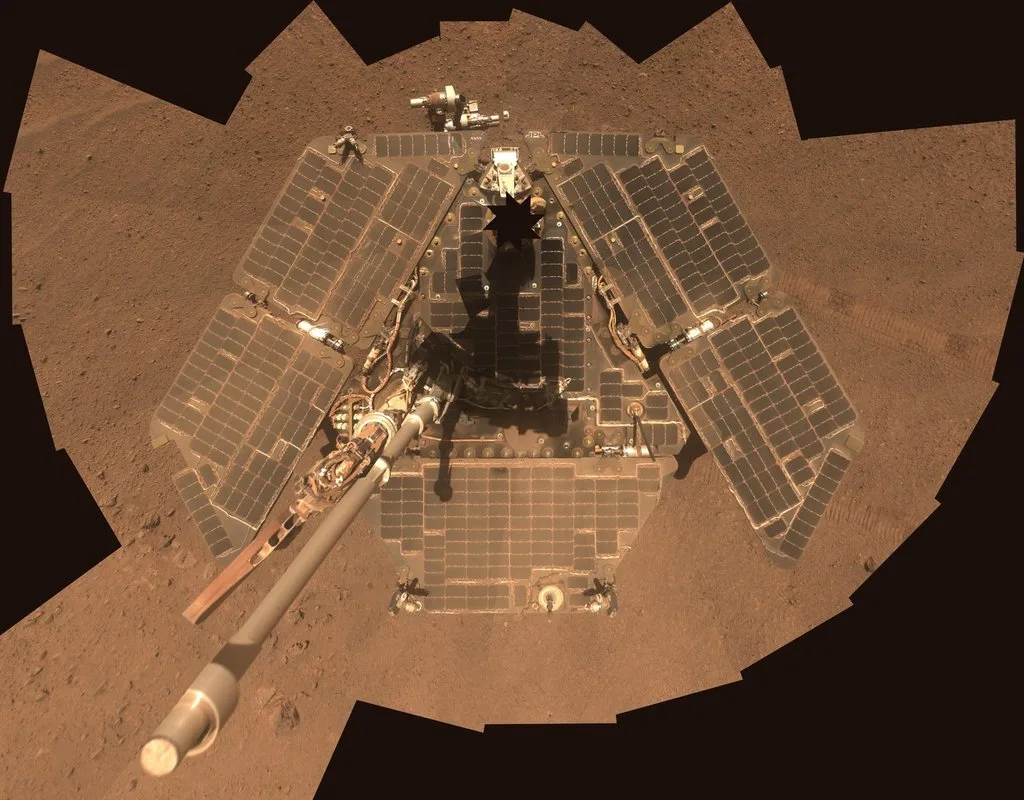
Martian dust, fine, abrasive, and electrically charged, poses a significant threat to equipment and astronaut health, degrading solar panels and jamming mechanisms. Global dust storms can envelop the entire planet for months, further complicating missions. (Source: jpl.nasa.gov)
Contamination concerns apply to both Mars and Earth. Strict planetary protection rules are key. Astronauts returning from Mars would likely go into quarantine. This stops any Martian germs from contaminating Earth’s biosphere. The Apollo 11 crew went through a 21-day quarantine after their Moon mission. A similar, or stricter, rule would apply for Mars.
International teamwork and private innovation are vital to solve these challenges. No single nation or company has all the needed resources. A human mission to Mars needs global partnership. Technologies built for Mars will also help us on Earth. This project pushes human limits and shows what we can do.
FAQ
How long would a trip to Mars take? A one-way journey takes between seven and nine months. This depends on Earth and Mars’ orbital alignment. The whole round trip, including time on Mars, would take at least two years.
What are the biggest health risks for astronauts traveling to Mars? The biggest health risks are high space radiation and microgravity’s effects. Radiation exposure raises cancer risk. It can also damage the central nervous system. Microgravity causes bone loss, muscle waste, and vision problems.
Can we create artificial gravity to solve these problems? Artificial gravity could solve many microgravity-related health issues. Currently, we do not have a practical system for deep space missions. It needs large rotating spacecraft, which are complex to build and launch.
How much would a Mars mission cost? Estimates for a human Mars mission range from hundreds of billions to trillions of dollars. The exact cost depends on the mission plan, technology, and international partners.
What happens next for Mars exploration? Future robotic missions will keep scouting landing sites and testing ISRU technologies. Agencies and companies are building advanced propulsion systems and radiation shielding. These steps make human missions possible.
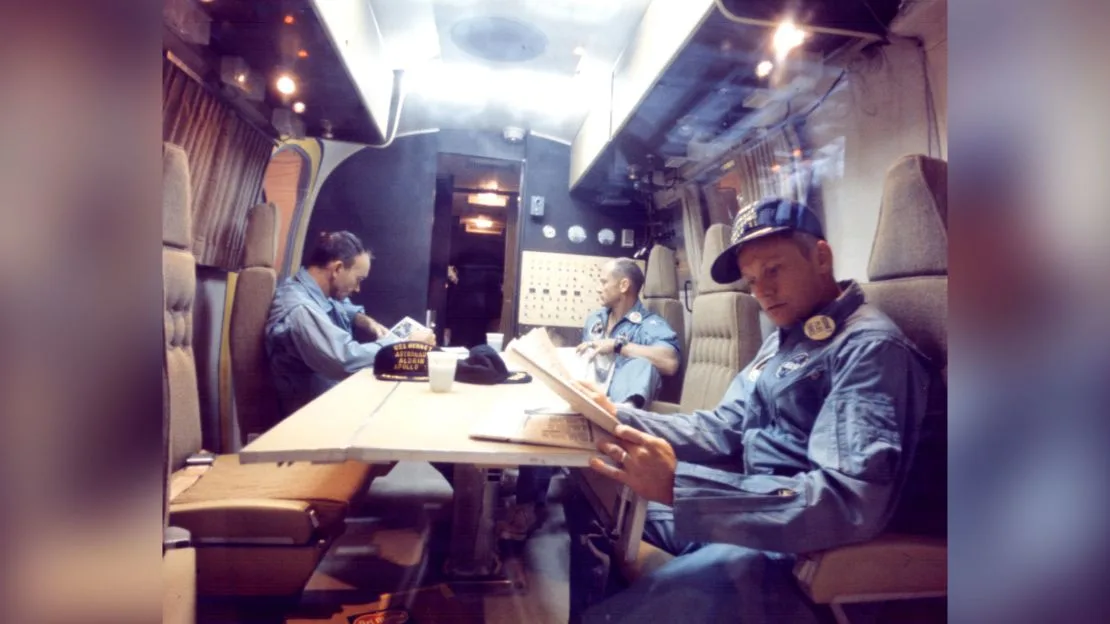
After their historic Moon mission, the Apollo 11 crew — Neil Armstrong, Buzz Aldrin, and Michael Collins — underwent a 21-day quarantine in the Mobile Quarantine Facility (MQF) to prevent any potential lunar pathogens from contaminating Earth, a protocol that would likely be even stricter for astronauts returning from Mars. (Source: cnn.com)
You might also like:
👉 Space Colonization: The Grand Illusion & Earth’s Real Solutions
👉 The $546 Billion Space Race: Private Money, Global Rivalries