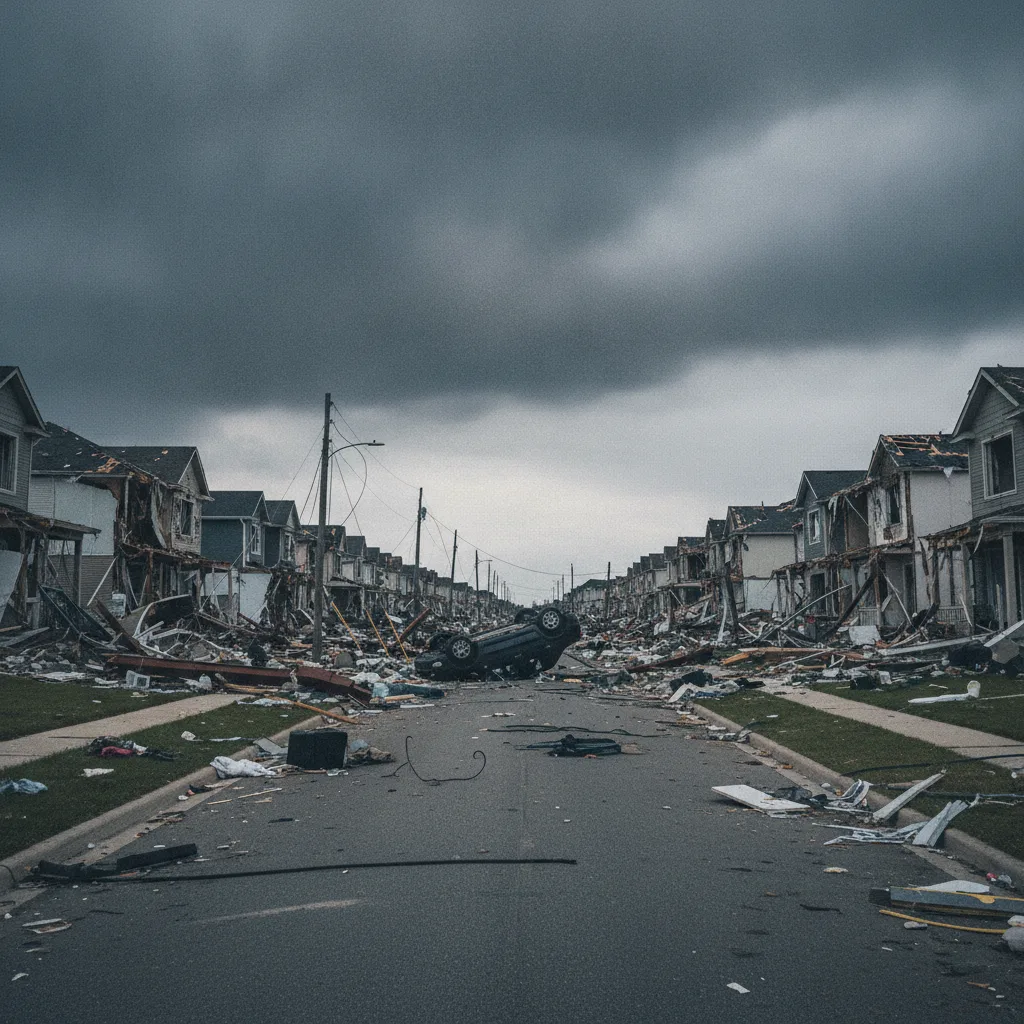
5 Steps: Survive 2023's Record 28 U.S. Weather Disasters
Don't be caught off guard by common disasters. Learn 5 crucial steps to prepare for events like the 28 weather disasters that hit the U.S. in 2023.
Ready for Anything: 5 Steps to Prepare for Disaster
Many people think of meteors or global pandemics when they hear “disaster preparedness.” These large-scale events can feel overwhelming. This often stops people from preparing at all.
The real threats are far more common, and much less dramatic. Think a week-long power outage, a local flood, or a wildfire evacuation. These events disrupt millions of lives every year. They often hit without warning.
In 2023, the U.S. saw a record 28 weather and climate disasters. Each caused over $1 billion in damages, NOAA reports. We clearly need to be ready. But a 2022 FEMA survey found only 22% of U.S. homes had a disaster plan. That’s the problem: we know the risks, but we’re not ready.
Being ready isn’t about becoming a “prepper.” It’s about taking simple steps. These steps protect your family and home from disruptions you can predict. It’s like buying car insurance or saving for a rainy day. You hope you never need it. But you’ll be so glad it’s there if you do. Here are five simple areas to start.
Your five important steps
1. The emergency supply kit
The American Red Cross says every home needs at least three days of important supplies. People call this a “go-bag” or “bug-out bag.” It’s more than just a backpack. It’s your immediate lifeline when basic services disappear. Think of it like a car’s spare tire. You don’t use it daily, but it’s critical when your main one fails.
Your kit needs specific items. First, water: one gallon per person per day for drinking and sanitation, FEMA says. Then, pack non-perishable food. Choose items that don’t need cooking, like energy bars, canned goods, or dried fruit. If you pack cans, add a manual can opener.
Beyond food and water, you’ll need tools. A battery-powered or hand-crank NOAA weather radio keeps you informed if cell towers go down. You also need a flashlight with extra batteries, a whistle to signal for help, and a basic first-aid kit. Don’t forget personal hygiene items, copies of important documents, and cash in small bills.
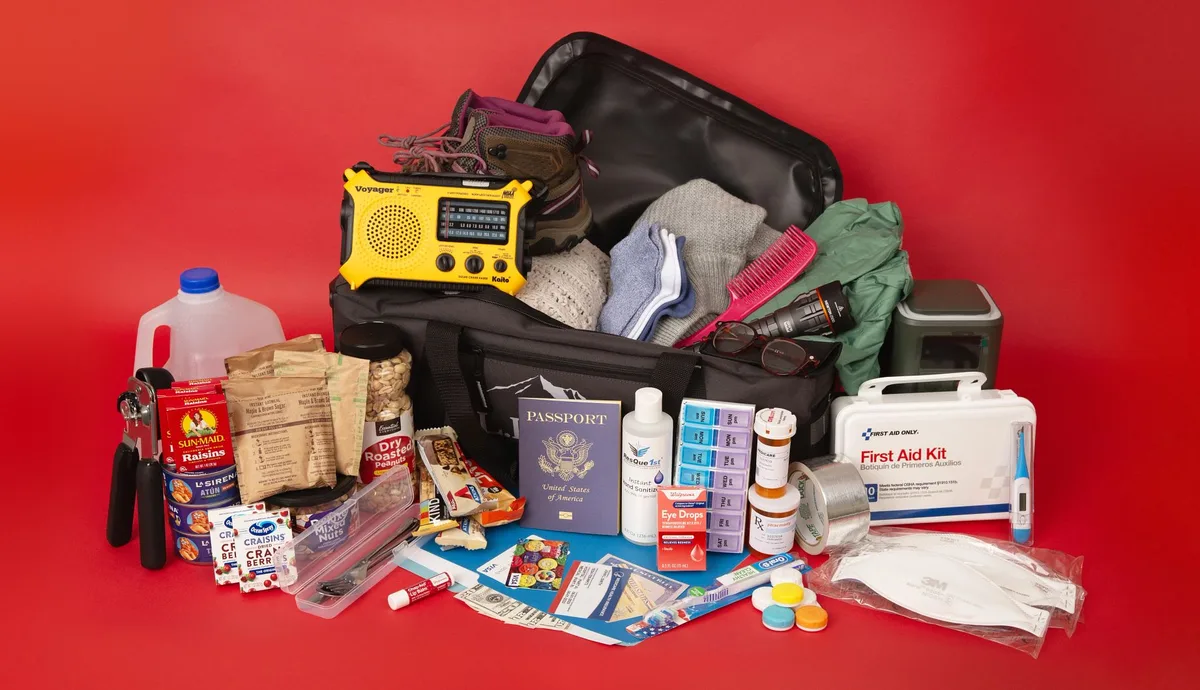
The American Red Cross recommends every home have an emergency supply kit, often called a 'go-bag,' containing at least three days of essential supplies. This includes one gallon of water per person per day for drinking and sanitation, as advised by FEMA. (Source: aarp.org)
This kit makes you self-sufficient for a critical time. It buys first responders time to reach those who need urgent help. Plus, it greatly cuts your stress in an already chaotic moment.
2. The family communication plan
Only 48% of American families have an emergency communication plan. FEMA found this in a 2017 study. This gap leaves families open to separation and worry during a crisis. Picture an earthquake: your kids are at school, you’re at work. How do you find each other?
Your communication plan is your family’s emergency playbook. It shows how you’ll contact each other if you get separated. First, pick an out-of-state contact person. Long-distance lines often work when local ones are jammed. Everyone in your family should know this person’s number.
Set up specific meeting places. One should be near your home for small emergencies, like a fire. Another should be outside your neighborhood for bigger events that need evacuation. Practice these scenarios. Make sure every family member, even kids, knows the plan by heart.
This plan isn’t just about finding each other. It’s also about sharing key information. Keep a written list of important phone numbers (doctors, schools, insurance) in your emergency kit. You can’t rely on your phone’s contact list if it’s dead or lost.
3. The evacuation plan
Hurricane Katrina in 2005 put over 1.2 million people in Louisiana and Mississippi under evacuation orders. Many struggled because they hadn’t planned well. An evacuation plan isn’t just about leaving. It’s about getting out safely and fast. Think of it like knowing your building’s fire exits. You need to know where to go, and how to get there.
First, find out about local hazards. Do you live in a flood zone? Is your home near a wildfire risk area? Does your town have hurricane evacuation routes? Local emergency agencies can tell you. Map out main and backup escape routes from your home. Roads can get blocked or packed with traffic.
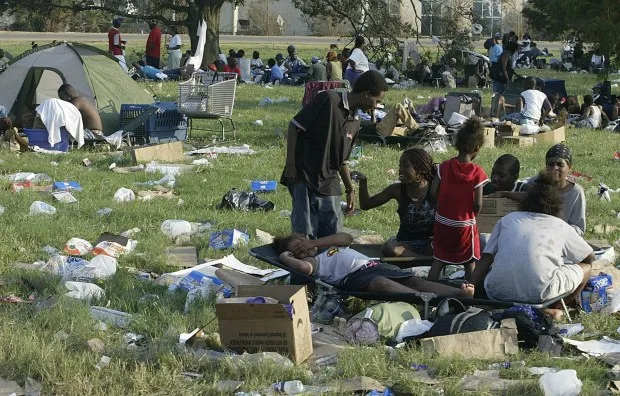
Hurricane Katrina in 2005 put over 1.2 million people in Louisiana and Mississippi under evacuation orders, serving as a stark reminder of the critical importance of a well-prepared evacuation plan. (Source: dailynews.com)
Know where you’re going. Maybe a relative’s house, a hotel, or a public shelter. Look into these options beforehand. Talk about transportation for everyone in your family, including those without cars. If you have pets, find pet-friendly shelters or make other plans.
Practice your plan now and then. Drive the routes. Make sure your car always has a full tank, especially during hurricane season or wildfire alerts. A quick, organized evacuation saves lives and stops panic.
4. Financial preparedness
Only 54% of U.S. homeowners have flood insurance, the Insurance Information Institute says. This is true even with rising flood risks. Financial preparedness means more than just insurance. It’s your financial parachute when disaster hits. Cash and accessible records become necessary when digital systems fail.
Keep small bills ($1, $5, $10) in your emergency kit. ATMs might not work, and credit card systems can go down. This cash lets you buy food, gas, or other needs. The FDIC suggests having enough cash for several days.
Collect copies of important documents. These include insurance policies (home, renters, car, health), birth certificates, passports, deeds, and wills. Store them in a waterproof, fireproof bag in your emergency kit. Also, keep digital copies on a secure, encrypted flash drive or cloud service.
Check your insurance policies every year. Understand what your current coverage includes and what it doesn’t. Many standard homeowners’ policies don’t cover flood or earthquake damage. You might need to buy extra coverage, depending on where you live and your risks. This step protects your money and speeds up recovery.
5. Key knowledge and skills
Immediate CPR can double or triple a person’s chance of survival after cardiac arrest. The American Heart Association estimates this. Being ready isn’t just about what you pack. It’s also about what you know. Think of this as your personal emergency manual.
First aid and CPR training are incredibly useful. The American Red Cross has courses that teach basic medical care for injuries, burns, and other common emergencies. Knowing how to stop bleeding, treat shock, or do CPR can save a life before pros arrive. These skills mean you rely less on busy emergency services.
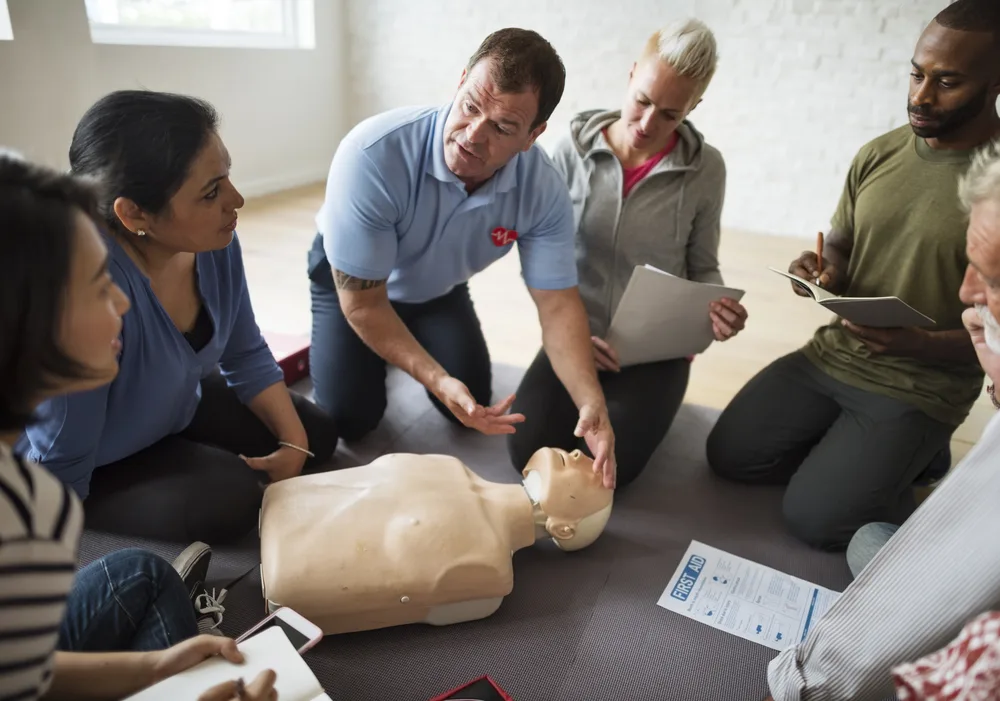
Immediate CPR can double or triple a person's chance of survival after cardiac arrest. Organizations like the American Heart Association and American Red Cross offer courses to teach this vital, life-saving skill, empowering individuals to act before professional help arrives. (Source: cprtrainingschool.com)
Learn how to shut off your home’s utilities. This means water, gas, and electricity. A broken gas line after an earthquake, for example, can cause explosions. Knowing how to cut the supply stops more damage or injury. Ask your local fire department or utility companies for specific instructions and tools.
Understand your local risks. If you live in an earthquake zone, practice “Drop, Cover, and Hold On.” If you’re in a hurricane area, know the difference between a watch and a warning. This specific knowledge helps you react fast and correctly.
Why being ready matters
A 2019 report by the National Institute of Building Sciences (NIBS) found that every $1 spent on disaster prevention saves $6 in future costs. This shows prevention is a good investment. This isn’t just about money. It’s about less suffering, faster recovery, and stronger communities.
When people are ready, emergency services have less to do. This lets first responders focus on the worst situations. It also makes communities stronger. Neighbors helping neighbors with basic skills or supplies creates a powerful group response.
Being ready also brings big psychological benefits. Knowing you’ve protected your family cuts anxiety during uncertain times. It turns helplessness into strength. This emotional strength is as important as any physical supply.
Think about Joplin, Missouri, after the 2011 tornado. The town was devastated. But strong community networks and some individual readiness sped up their recovery. Compare that to less prepared areas, where chaos and long-term suffering often followed.
Keep going: your ongoing readiness
Disaster preparedness is an ongoing process, not a one-time task. It changes with your family’s needs and local risks. Small steps make a difference. Don’t let the full list overwhelm you. Just start with one item, like collecting your important papers.
Check and update your emergency kit regularly. Look at food and water expiration dates. Replace batteries. Update your family’s communication plan when phone numbers or schools change. Practice your evacuation routes every so often.
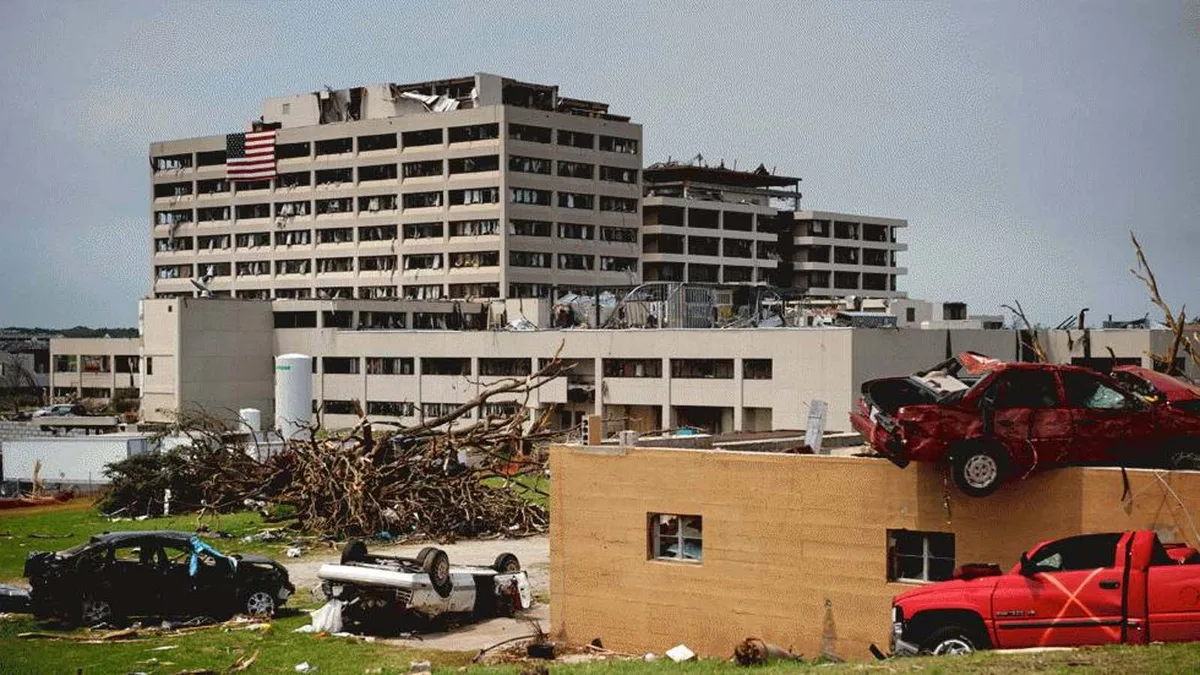
The 2011 Joplin tornado was an EF5 multiple-vortex tornado that devastated Joplin, Missouri, causing 161 fatalities and over 1,000 injuries, making it the deadliest single tornado in U.S. history since 1947. Despite the widespread destruction, strong community networks and individual readiness helped speed up the town's recovery. (Source: weather.com)
Think about joining community preparedness efforts. FEMA’s Community Emergency Response Team (CERT) program has trained over 600,000 citizens. They teach basic disaster response skills. These programs help residents support their communities. Your personal readiness helps build a stronger, safer society for everyone.
FAQ
Q: How often should I update my emergency kit? A: Check your emergency kit at least once a year. Look at food and water expiration dates. Replace batteries. Update any personal documents or medications.
Q: What’s the biggest mistake people make in disaster planning? A: The biggest mistake is putting it off. People often feel overwhelmed. Many also underestimate common, local disasters like power outages or floods.
Q: Should I “shelter in place” or evacuate? A: It depends on the disaster and official instructions. Always follow local authorities. Have plans for both.
Q: How much cash should I keep for emergencies? A: Aim for enough cash for three to five days of basic needs, FEMA says. This could cover gas, food, and supplies.
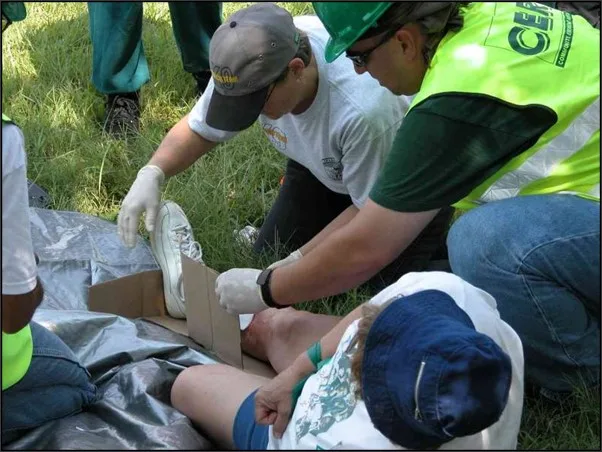
FEMA's Community Emergency Response Team (CERT) program trains ordinary citizens in basic disaster response skills like fire safety, light search and rescue, and disaster medical operations. Over 600,000 people have completed CERT training nationwide, empowering them to support their communities during emergencies. (Source: kitsapdem.com)
You might also like:
👉 1 Billion Urban Poor: How Cities Fight Climate Shocks