
CPI: Why Central Banks Struggle with 2% Inflation
Central bankers aim for 2% annual inflation, but factors like psychology and global events make hitting that target a complex challenge.
Controlling Inflation and Deflation: A Challenging Task
Central bankers aim to control inflation and deflation with precision. However, economic data often shows this task is highly involved. Many factors influence prices, including psychology, global events, and policy delays.
Inflation means prices go up. Your money buys less. The Consumer Price Index (CPI) tracks these changes. In the US, the Bureau of Labor Statistics compiles CPI data monthly. Many central banks aim for 2% annual inflation.
Deflation is when prices fall. This might sound good, but persistent deflation is dangerous. People delay purchases, waiting for lower prices. This kills demand, slows the economy, and can cause job losses. The 2008 global financial crisis brought serious deflation fears.
Central banks and governments manage these forces. Central banks, like the U.S. Federal Reserve or the European Central Bank (ECB), use monetary policy. Governments use fiscal policy. Both want stable prices, economic growth, and low unemployment.
Central Bank Tools: Interest Rates and More
Central banks have great power over a nation’s money supply. Their main tool against inflation is raising interest rates. For example, the Federal Reserve hiked its benchmark federal funds rate from near zero in March 2022. It went to over 5% by mid-2023. Higher rates make borrowing more expensive for businesses and consumers.
This slows spending and investment. Less demand cools an overheating economy. To fight deflation, central banks do the opposite: they lower interest rates. Cheaper borrowing encourages spending and investment, boosting economic activity. The Bank of Japan, for instance, has kept near-zero or negative rates for decades to combat deflation.
Beyond interest rates, central banks use other tools. Quantitative Easing (QE) means buying government bonds and other securities. This injects money directly into the financial system. The goal is to lower long-term interest rates and encourage lending. The Federal Reserve used massive QE programs after the 2008 crisis and again during COVID-19.
Quantitative Tightening (QT) is the reverse. Central banks reduce their balance sheets. They sell assets or let them mature without reinvesting. This pulls money out of the system. Former Fed Chair Ben Bernanke noted how huge these interventions were after 2008. He admitted QE was experimental then.
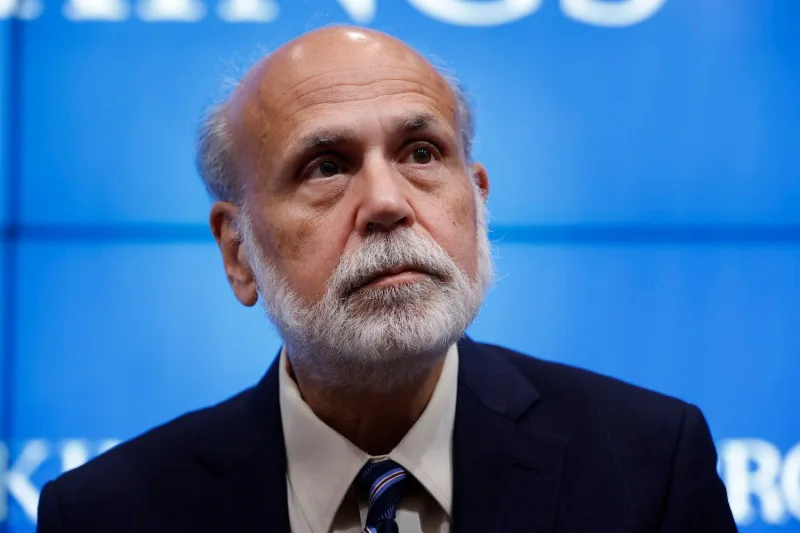
Ben Bernanke, former Chair of the U.S. Federal Reserve, oversaw the central bank's response to the 2008 financial crisis, including the implementation of massive Quantitative Easing (QE) programs, which he admitted were experimental at the time. (Source: foreignpolicy.com)
Reserve requirements for banks are another tool. Lowering them frees up cash for banks to lend. Increasing them tightens credit. Open market operations — buying and selling government securities — also directly affect money in circulation. These actions adjust how much money banks have to lend.
Government’s Role: Fiscal Policy Steps In
Governments also play an important part in managing economic stability through fiscal policy. This means adjusting government spending and taxation. When inflation is high, governments can reduce spending or raise taxes. These actions pull money out of the economy.
Reduced government demand or higher taxes can slow overall spending. This cuts aggregate demand, easing inflationary pressure. The problem is often political: cutting popular programs or raising taxes is unpopular. This makes quick fiscal responses hard.
To fight deflation or a recession, governments usually increase spending. They might invest in infrastructure or offer tax cuts. This puts more money into people’s pockets, boosting demand. The U.S. American Rescue Plan Act of 2021 provided $1.9 trillion in economic stimulus.
While effective in theory, these fiscal measures often face big delays in implementation. Legislative debates can hold up funds for months or even years. Government budgets are so huge that small changes have big impacts.
How monetary and fiscal policy work together really matters. Sometimes, they work in sync. Other times, they conflict. For instance, a central bank might raise rates to fight inflation. But a government could simultaneously inject massive fiscal stimulus. This creates a tough balancing act. The International Monetary Fund (IMF) often discusses this in its global economic outlook reports.
Unseen Forces: Global Shocks and Psychology
Outside factors and human psychology significantly affect economic conditions. For instance, central bank actions sometimes have limited immediate impact. The 2008 crisis highlighted the powerful nature of deflationary forces.
Even with aggressive interest rate cuts and QE by the Federal Reserve, inflation stayed stubbornly low for years. This defied common sense. Economist Christine Lagarde, President of the ECB, often points to global supply chains. She noted how disruptions, like those during the COVID-19 pandemic, can independently drive up prices.
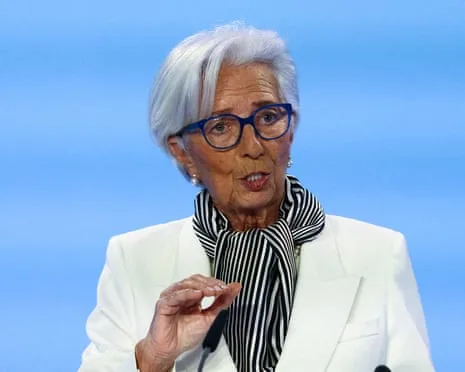
Christine Lagarde, the first woman to head the European Central Bank (ECB), often highlights how global supply chain disruptions, like those during the COVID-19 pandemic, can independently drive up prices and complicate central bank efforts to control inflation. (Source: theguardian.com)
Global events, like the 2022 energy crisis after Russia invaded Ukraine, are hugely important. These supply shocks push up prices for raw materials and energy. Central banks can’t print more oil or fix broken shipping routes. Their tools mainly manage demand. Trying too hard to curb supply-side inflation can easily cause a recession.
Consumer and business expectations are another powerful, often overlooked, force. If people expect inflation to rise, they demand higher wages. Businesses raise prices, anticipating higher costs. This can become a self-fulfilling prophecy, making inflation harder to control. On the flip side, if people expect prices to fall, they delay purchases, deepening deflation.
This psychological element makes central bank communication really important. Fed Chair Jerome Powell often talks about anchoring inflation expectations. He tries to signal future policy moves clearly. A communication mistake can easily shake market confidence.
Inflation is not solely about money. It involves monetary policy, fiscal policy, global supply and demand, and collective human psychology. This intricate web of factors makes predicting economic outcomes very difficult.
Managing Future Economic Conditions
Controlling inflation and deflation will only get more complicated. We’re seeing more global integration. Climate change could bring more frequent supply shocks. New tech, like AI, might boost productivity but also create new economic disruptions.
Policymakers have a constant struggle: telling temporary price swings from lasting trends. They also must weigh two big risks. Overtightening monetary policy could trigger a recession. But letting inflation become entrenched is also dangerous. The Bank for International Settlements (BIS) regularly publishes research on these issues. They emphasize international cooperation among central banks.
Future strategies might involve more targeted fiscal interventions, not just broad stimulus. Governments could focus on boosting supply-side capacity. Investing in renewable energy or key infrastructure, for example, could reduce vulnerability to global shocks. This would help stabilize prices from the supply side.
Central banks will likely keep refining their communication. They’ll aim to manage expectations even better. The global economy constantly changes. It requires constant adjustment and a willingness to learn from surprises. The idea of a simple “control panel” for the economy looks increasingly naive.
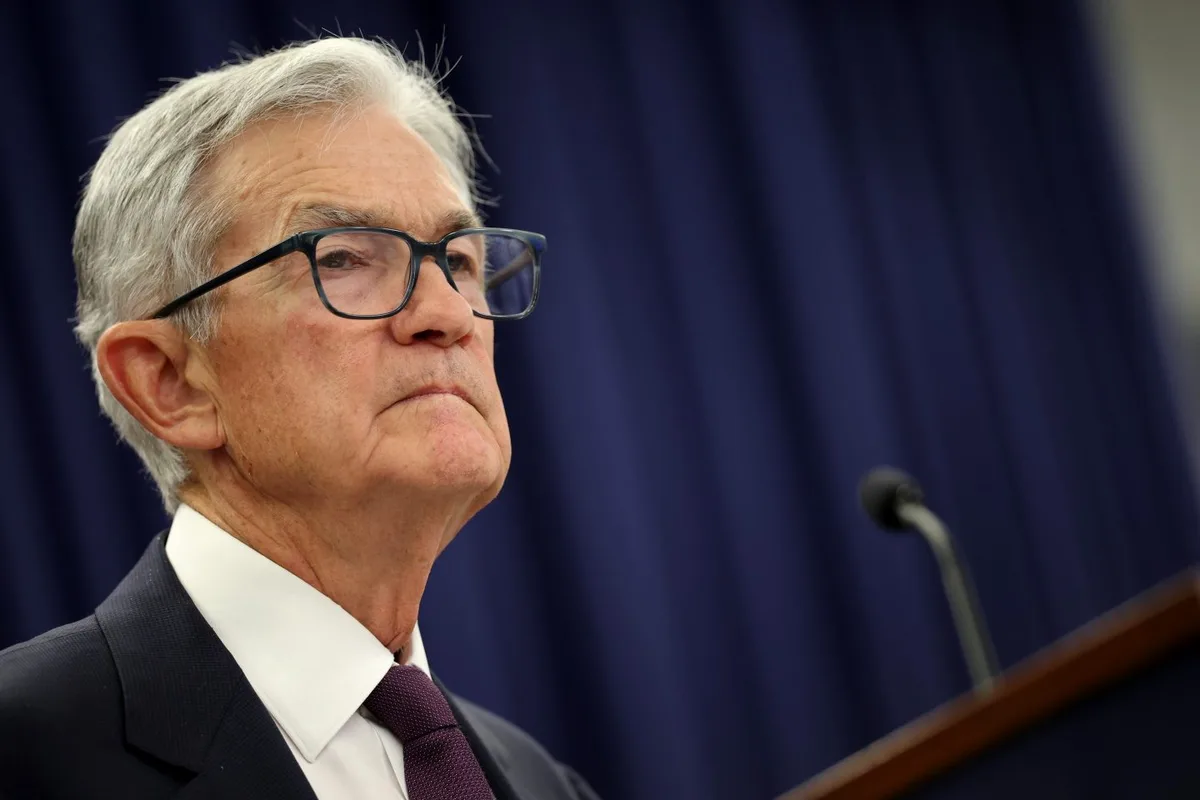
Jerome Powell, the current Chair of the Federal Reserve, plays a critical role in managing economic expectations. His public communications are closely scrutinized by markets, as clear signals about future policy moves are essential for anchoring inflation expectations and maintaining financial stability. (Source: fortune.com)
What is the ‘2% inflation target’?
Many central banks aim for 2% annual inflation. This target is low enough to avoid high inflation’s problems. But it’s high enough to prevent deflation and allow for some wage and price flexibility.
How does global trade affect inflation?
Global trade can influence inflation by affecting supply and demand. Disruptions to global supply chains, like during the pandemic, can raise prices. On the other hand, more competition from imports can help keep domestic prices down.
Can inflation and deflation happen at the same time?
No, not generally. Inflation means prices are rising, while deflation means prices are falling. However, different sectors of the economy might see different price trends. An economy usually experiences one or the other as its dominant trend.
What is ‘stagflation’?
Stagflation is a rare and difficult economic condition. It combines high inflation with slow economic growth and high unemployment. The 1970s saw significant stagflation in many developed economies.

During the 1970s, many developed economies experienced stagflation, a rare and difficult combination of high inflation, slow economic growth, and high unemployment. Iconic images from this era often depict long lines at gas stations, a stark visual representation of the energy crises that fueled inflation and economic stagnation. (Source: illinoisrenew.org)
You might also like:
👉 Economic Sanctions: Why They Often Fail to Achieve Goals
👉 The Economic & Societal Impact of Government Shutdowns
👉 US-China: $664B Trade Masks Zero-Sum Global Power Struggle