
Why Women Own Less: The Economic Roots of Inequality
Beyond bias and tradition, economic structures quietly create and widen gender gaps, impacting asset ownership and resource access for women.
How money and power fuel gender gaps
Many people blame gender inequality on clear bias or old traditions. These factors certainly play a role. However, a quieter, more powerful force is also at play: economic structures. These structures quietly create and widen gender gaps. The issue is not just about equal pay for the same job. It’s about who owns assets, who gets resources, and how the economy itself limits women.
Imagine building a house on shaky ground. You can fix the roof as much as you want, but the whole place remains unstable. Economic factors are like that shaky ground. They determine who succeeds and who falls behind.
Gender inequality impacts women and girls everywhere, regardless of their wealth. It involves governments, businesses, families, and global organizations. The main problem is a lasting difference in economic outcomes between men and women. This includes differences in income, wealth, and opportunities. The World Economic Forum’s 2023 Global Gender Gap Report states it will take 131 years to close the overall gender gap.
Labor markets put women at a disadvantage
In 2022, women globally earned 63 cents for every dollar men earned. The International Labour Organization (ILO) reported this figure. This is not just about men and women doing the same job for different pay. The gender pay gap measures average earnings across the entire economy. Many factors contribute to this gap.
Imagine two runners starting a marathon. One carries a backpack full of rocks. This is somewhat how labor markets work for women. They often face burdens that hold them back from the beginning.
One major reason is occupational segregation. Women tend to concentrate in lower-paying sectors. These include care work, education, and administrative jobs. Men, on the other hand, dominate higher-paying fields. Examples are technology, finance, and engineering. This division lowers average female earnings.
Women also find it hard to advance in companies. This is known as the glass ceiling. It refers to unseen barriers that prevent women from reaching senior leadership positions. At the same time, many women remain stuck in entry-level or low-wage jobs. This is called the sticky floor. Both factors limit how much women can earn throughout their careers.
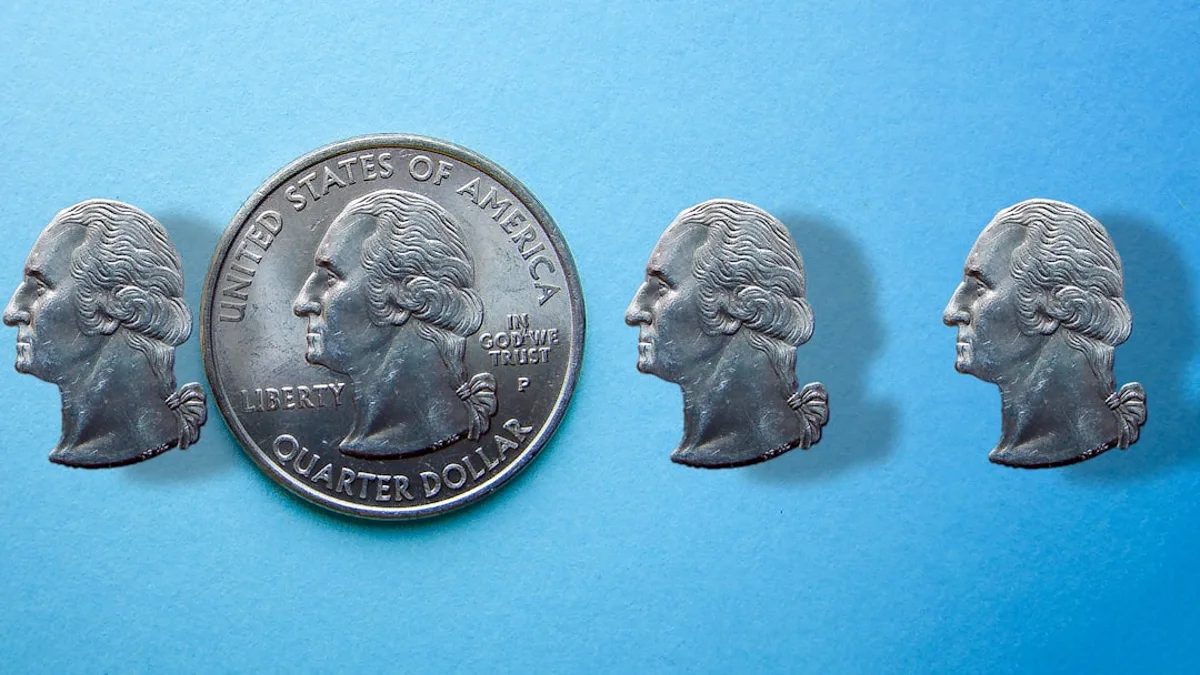
A visual representation of the global gender pay gap, illustrating the stark reality that in 2022, women globally earned only 63 cents for every dollar men earned, as reported by the International Labour Organization (ILO). This persistent disparity highlights systemic economic inequalities that limit women's financial independence and opportunities worldwide. (Photo: Ashes Sitoula / Unsplash)
The motherhood penalty also contributes to this gap. Studies show women’s earnings drop significantly after childbirth. Harvard economist Claudia Goldin’s research highlights this as a primary cause of the pay gap. Fathers’ earnings often remain steady or even increase.
Women perform most of the unpaid care work. This includes childcare, elder care, and household chores. UN Women estimates that women do 75% of the world’s unpaid care work. This large time commitment severely restricts their time for paid work or career growth.
Women own fewer assets and receive less money
Globally, women own less than 20% of the world’s land. The Food and Agriculture Organization (FAO) reports this. That is a stark imbalance. Asset ownership includes property, savings, or investments. These things build wealth, secure a future, and create financial stability.
It’s like playing a board game where one player starts with all the property deeds. The other player must build from nothing, facing constant uphill struggles. Having few assets greatly limits women’s economic power.
Many legal systems, especially in developing countries, limit women’s land and property rights. Women may struggle to inherit land or own it independently. This prevents them from using land as loan collateral or a source of income. It traps them in poverty.
Women also face significant barriers to financial access. They struggle to get credit, loans, and basic banking services. This severely hinders their ability to start businesses or invest for their futures. The World Bank’s Global Findex database shows that 74% of men have a bank account. Only 68% of women in developing economies do.
Old customs and laws often favor male heirs in inheritance laws. This prevents women from building wealth over generations. It keeps power uneven. Such practices mean wealth primarily flows through male lines.
The digital divide worsens these problems. Women in many regions have much less access to technology and digital financial services. This excludes them from new economic opportunities. It also limits their ability to manage money effectively.
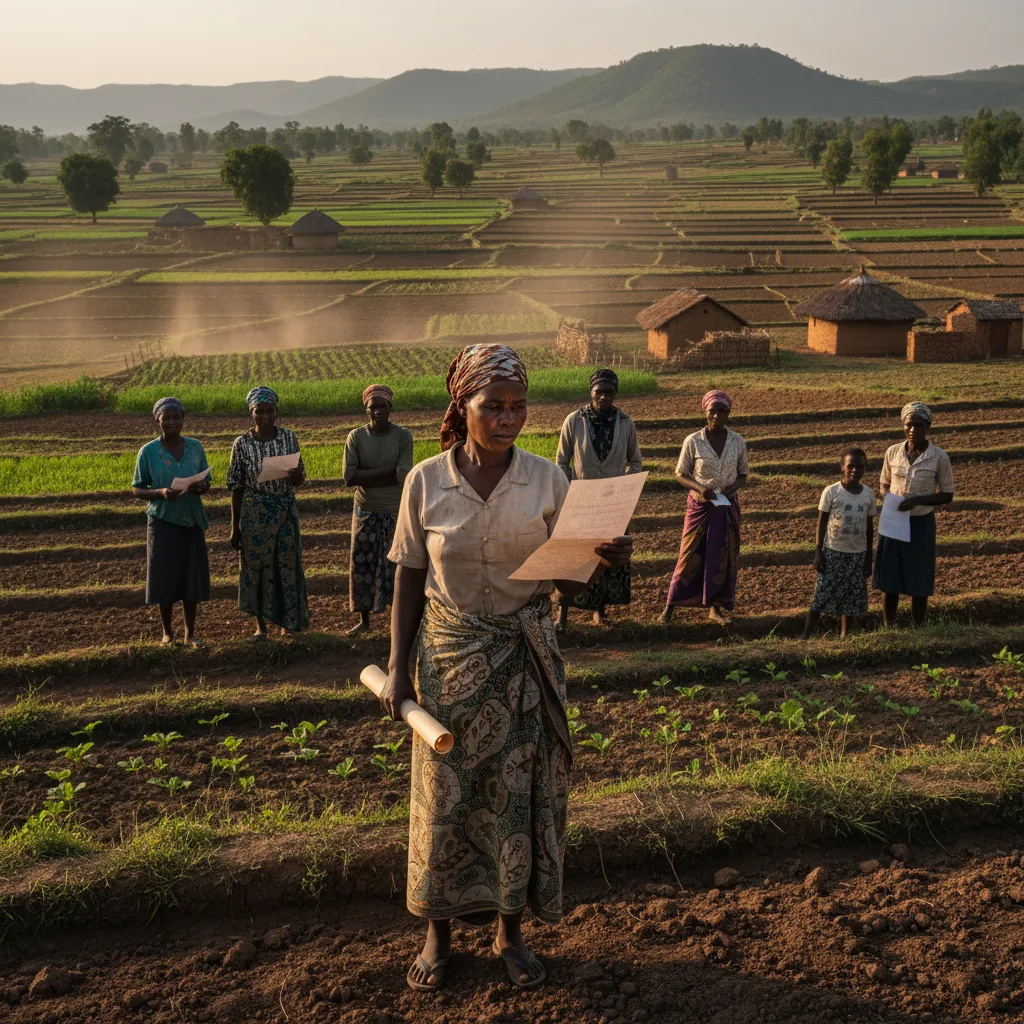
Globally, women own less than 20% of the world's land, a stark imbalance that limits their economic power and ability to build wealth. Many legal systems, especially in developing countries, restrict women's land and property rights, preventing them from using land as collateral or income. (AI-generated illustration)
Education gaps harm women’s economic future
In 2021, about 129 million girls worldwide were out of school. UNESCO reported this statistic. This lack of schooling has significant economic costs. Human capital is the economic value of a worker’s experience, skills, and education. It represents their total knowledge and abilities.
Think of human capital as the tools in your toolbox. Fewer tools mean fewer jobs you can do. It often means less complex or lower-paying work. Limited education directly translates to fewer economic opportunities for women.
Girls are often removed from school for marriage or household duties. This drastically reduces their future earnings. It creates a cycle: no education leads to fewer economic choices.
Women are also significantly underrepresented in STEM fields. Science, technology, engineering, and math offer higher wages and strong career growth. This denies women access to some of the best-paying parts of the modern economy. It also deprives the economy of diverse perspectives in these important areas.
Women often receive less access to lifelong learning and professional training. This is very important in today’s rapidly changing economy. Without continuous skill development, their ability to adapt to new jobs or advance their careers decreases. This further widens the economic gap over time.
Laws and policies hold women back
As of 2023, 151 economies have at least one law blocking women’s economic equality. The World Bank’s “Women, Business and the Law” report states this. These are not abstract ideas. They are real legal barriers. Institutional barriers are rules, laws, or norms in society that limit opportunities.
Imagine a race where one runner jumps extra hurdles, while the other runs freely. That is what discriminatory laws and policies do. They create obstacles specifically for women.
Discriminatory laws prevent women from working, traveling, or opening businesses without male consent. These laws directly harm their economic freedom. They stop women from fully participating in the marketplace. Such rules limit individual freedom and national economic growth.
Many countries lack social protections. Insufficient childcare, parental leave, or elder care policies affect women’s workforce participation more than men’s. When these services are absent, women often have to reduce work hours. They may even leave the workforce entirely to provide care. This harms their career growth and lifetime earnings.
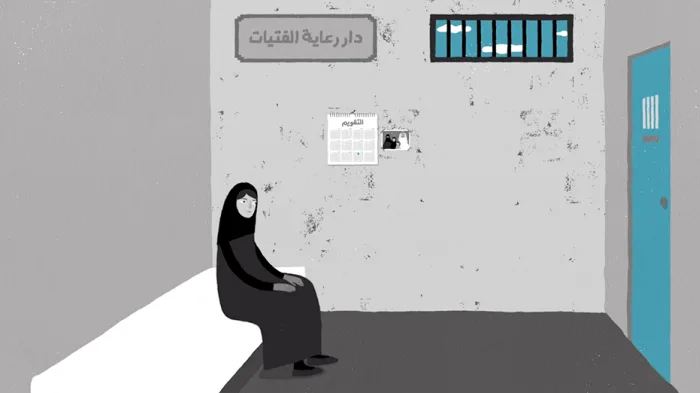
In 2023, 151 economies still had at least one law blocking women's economic equality, often requiring male consent for women to work, travel, or open businesses. These discriminatory laws are significant institutional barriers that directly impede women's economic freedom and participation. (Source: hrw.org)
Economic development plans often overlook gender. They do not consider women’s unique needs or potential contributions. This wastes money and misses growth opportunities. When half the population is ignored, development strategies fail.
Women-owned businesses receive a tiny fraction of public procurement contracts. This limits their growth and ability to expand. Government contracts are a significant source of business for many companies. Excluding women from these opportunities hurts their economic potential.
Common questions
Q: Is the gender pay gap just about women choosing lower-paying jobs? A: No, it is much more than that. Occupational segregation plays a part. But the gap also reflects discrimination and the motherhood penalty. It also shows that women’s work in sectors like care is undervalued. It is a system problem, not just individual choice.
Q: How does unpaid care work affect the broader economy? A: Unpaid care work, mostly done by women, limits their formal workforce participation. This reduces overall productivity, income, and tax revenue for governments. It creates a shadow economy, largely uncounted and undervalued.
Q: Do developed countries have gender inequality issues too? A: Yes, absolutely. Developed countries still have gender pay gaps. Women are underrepresented in leadership roles. They also face challenges with work-life balance policies. While the issues may look different, inequality remains everywhere.
Q: What is the link between economic independence and political participation for women? A: Economic independence gives women more resources and influence. This often leads to greater political participation. They gain confidence and ways to advocate for their rights. Financial security builds a foundation for broader social and political equality.
A path to prosperity for everyone
Addressing the economic roots of gender inequality is not just about fairness. It is also good economics. The International Monetary Fund (IMF) estimates that closing the gender gap in work could boost GDP by 35% in some countries. This represents a huge missed opportunity right now.
Investing in women’s education and economic opportunities creates a powerful positive cycle. It makes families healthier, reduces poverty, and strengthens entire communities. When women do well financially, everyone benefits.

The International Monetary Fund (IMF) estimates that closing the gender gap in work could boost GDP by 35% in some countries, underscoring the significant economic benefits of addressing gender inequality. (Source: gettyimages.in)
Policies for equal pay, shared parental leave, and secure property rights are important steps. They break down old barriers. Such measures create a more fair playing field.
Supporting women’s businesses and financial access encourages new ideas and creates jobs. Giving women money and training helps them build companies. This greatly contributes to economic growth.
Moving forward requires real policy changes and a new way of thinking in society. This is not just the right thing to do. It is a clear economic choice, promising greater prosperity for all.
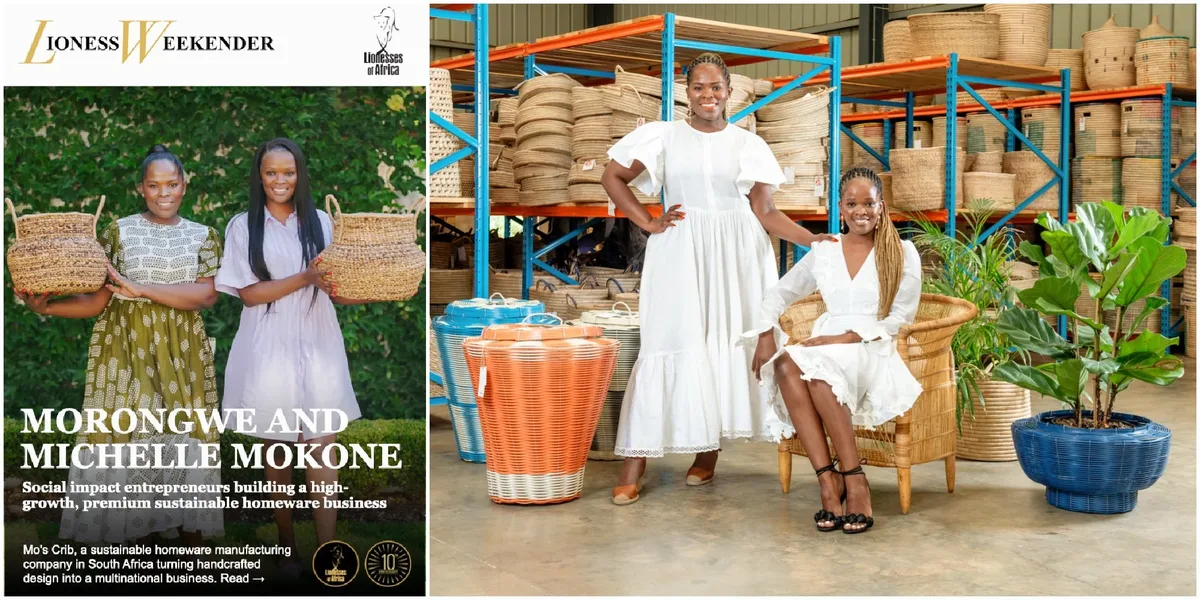
Women entrepreneurs are a vital force for economic growth, with women-owned businesses often reinvesting a higher percentage of their profits into their families and communities, fostering broader development. (Source: lionessesofafrica.com)
You might also like:
👉 The Economic & Societal Impact of Government Shutdowns
👉 Supreme Court Affirmative Action Ruling: A New Era for Admissions
👉 Beyond 9-to-5: Unlock Financial Freedom with a Side Hustle